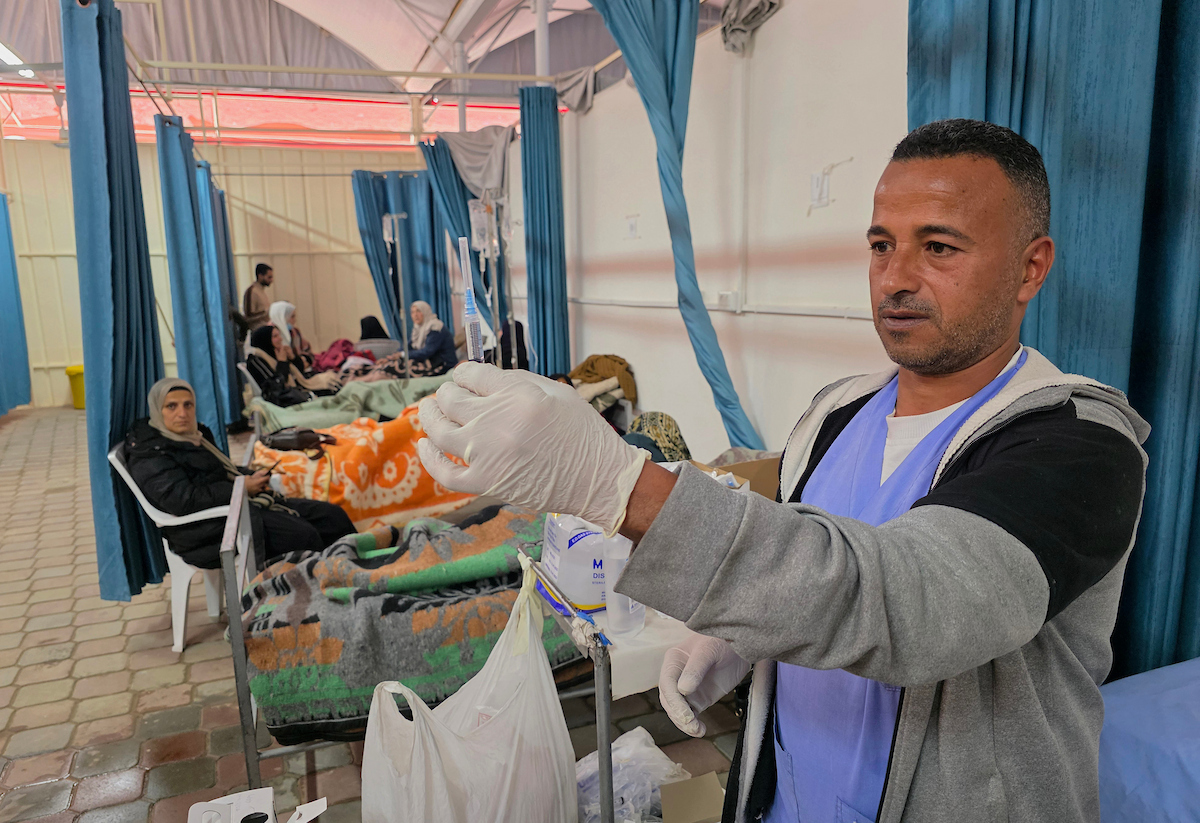
Around 11,000 cancer patients in Gaza are suffering from critical conditions that put their lives at imminent risk amid an unprecedented and severe shortage of medicines essential for cancer treatment, including chemotherapy drugs, lifesaving medicines, and supportive treatments. This shortage has forced many patients to suspend their treatment protocols and has deprived thousands of others of the medical care they urgently need, raising serious concerns about the rapid deterioration of their health conditions and severely undermining their chances of recovery and survival.
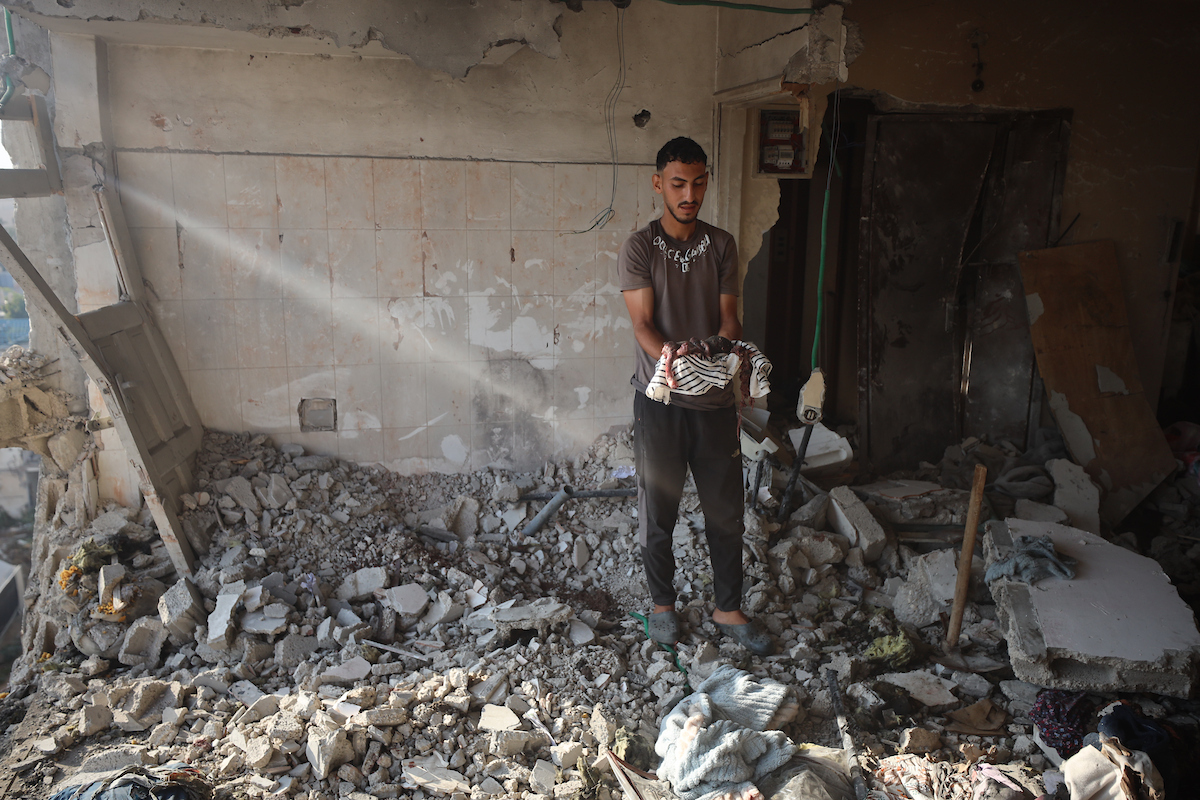
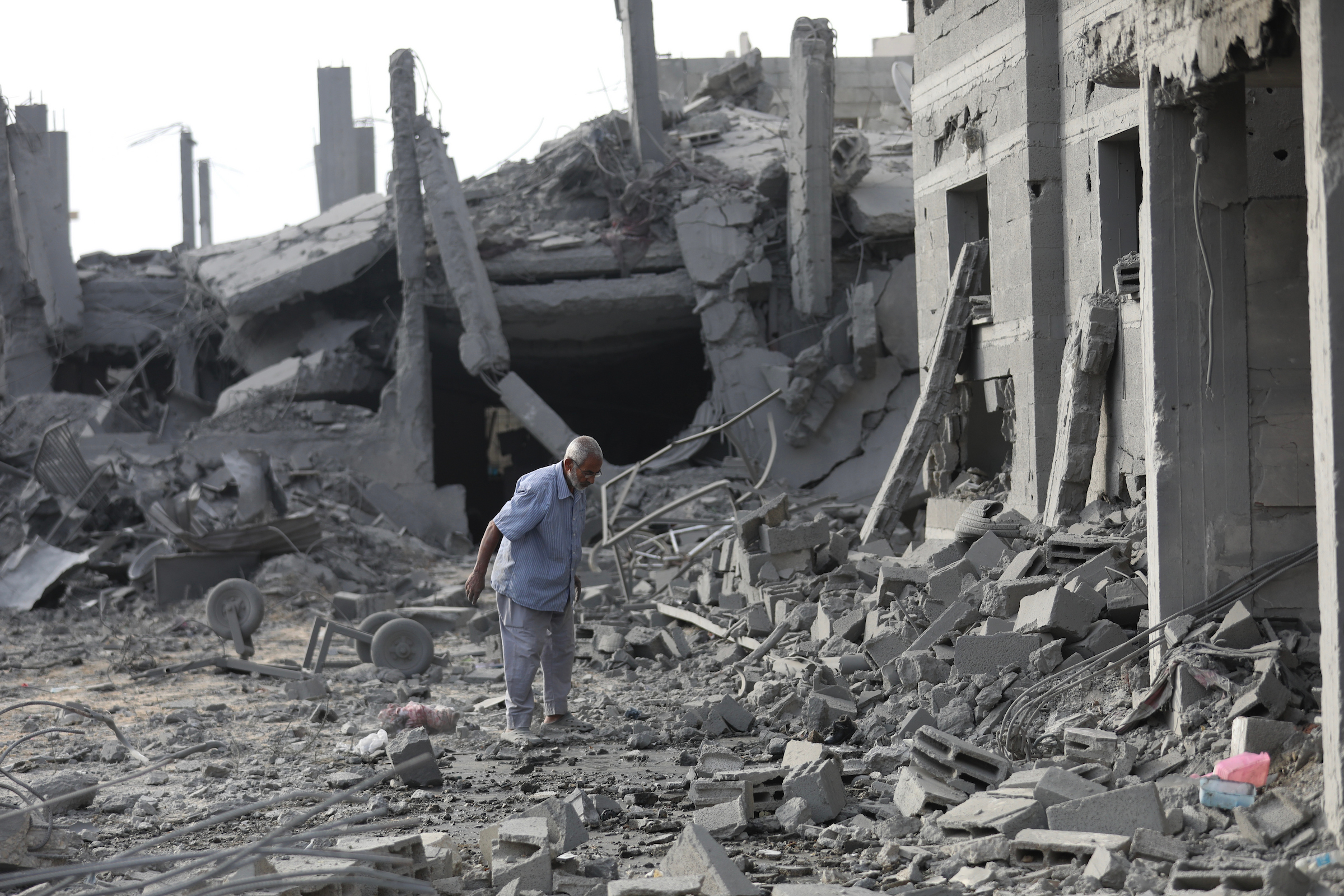
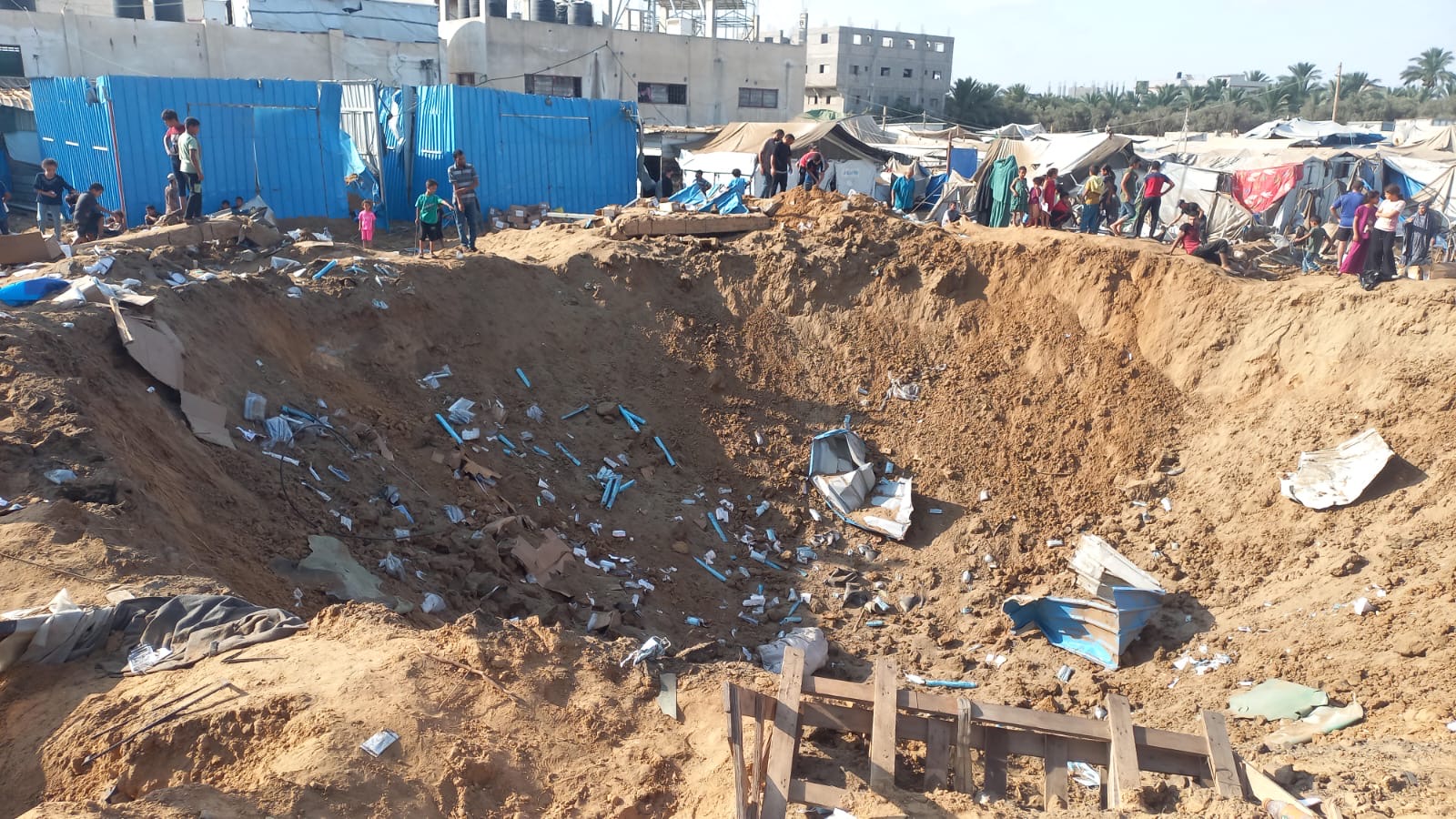
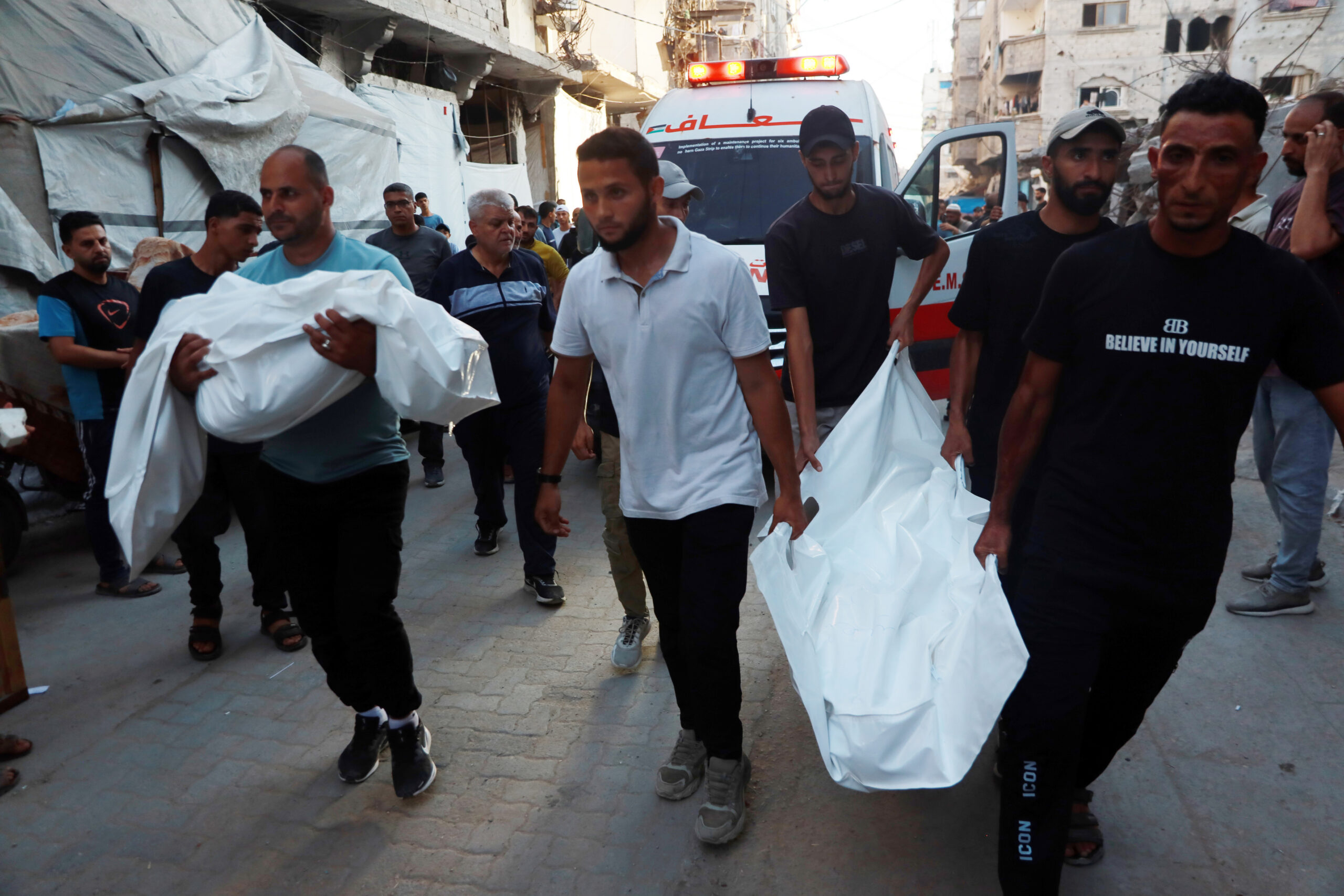
This crisis cannot be viewed in isolation from the ongoing crime of genocide against the people of the Gaza Strip since 7 October 2023 and the widespread destruction of the healthcare system that has accompanied it. Israel’s large-scale military offensive has led to an unprecedented collapse of the healthcare system’s capacity in the Gaza Strip due to repeated direct attacks on medical facilities, the destruction of healthcare infrastructure, the killing, injury, and arbitrary arrest of medical personnel, and the imposition of severe restrictions on the entry of medicines, fuel, spare parts, medical equipment, and supplies. As a result, the health sector’s ability to provide essential and lifesaving treatment has been systematically undermined.
As part of its systematic targeting of healthcare infrastructure, Israel has destroyed and deliberately obstructed cancer treatment centers, depriving thousands of cancer patients of specialized diagnostic and treatment services. The Israeli Occupation Forces (IOF) targeted the cancer treatment center at the Gaza European Hospital in southeastern Khan Younis, forcing it out of service.1 They also destroyed the Turkish Friendship Hospital- the only government hospital specializing in the treatment of adult cancer patients in the Gaza Strip-and destroyed the oncology department at al-Rantisi Pediatric Hospital after turning both facilities into military posts for an extended period.2
According to the Ministry of Health in Gaza,3 this shortage has forced the suspension of chemotherapy protocols for many types of cancer, including breast cancer, colorectal cancer, gastrointestinal cancers, head and neck cancers, sarcomas, and other malignancies that require regular and carefully managed treatment protocols. The interruption of these protocols deprives patients of receiving their scheduled treatment doses on time, accelerating disease progression, reducing their chances of responding to treatment, and increasing the risk of cancer spreading and advancing to stages that are far more difficult to treat.
Meanwhile, around 4,000 cancer patients have been denied to travel abroad for treatment, despite requiring urgent medical care that is unavailable in the Gaza Strip. In practice, this amounts to sentencing them to a slow death.
In a statement to PCHR’s researcher, Dr. Mohammed Abu Nada,4 Medical Director of the Gaza Cancer Center, said that the acute shortage of essential medicines and treatments, coupled with the ongoing denial of patients’ access to treatment abroad, poses a direct threat to the lives of cancer patients in Gaza. He added that the lack of essential treatments and the suspension of specialized oncology services have resulted in the deaths of three patients every day due to complications from the disease amid the ongoing collapse of the healthcare system. Dr. Abu Nada further explained that radiotherapy services are entirely unavailable in Gaza, while oncology medicines are facing a 61% stock deficit, forcing medical personnel to make extremely difficult treatment decisions. These include resorting to total mastectomy in some breast cancer cases, including patients diagnosed at an early stage, due to the absence of radiotherapy and the impossibility of transferring patients abroad for treatment.
Dr. Abu Nada added that oncology departments in hospitals across the Gaza Strip are facing an increasing inability to receive new cancer cases due to limited medical resources, severe shortages of medicines and supplies, and the significant decline in the capacity of healthcare facilities, many of which have been extensively damaged over the past months. The shortage of specialized medicines has obstructed the implementation of essential treatment protocols for a large number of cancer patients, directly affecting their chances of survival. He emphasized that the lack of immune-boosting injections, which patients require after chemotherapy sessions to reduce the risk of infections, further worsens their fragile health conditions and leaves them more vulnerable to viral and bacterial complications that may lead to death. He also highlighted that the acute shortage of palliative medicines and painkillers has increased patients’ suffering, particularly those with advanced stages of cancer, who require continuous palliative care to preserve their dignity and alleviate their pain.
Dr. Hani ‘Ayyash,5 a hematologist, said that patients with acute blood cancers in Gaza are facing critical health conditions, particularly those with acute leukemia, one of the most aggressive blood cancers that require urgent diagnosis and treatment. He explained that the disease often affects younger people, particularly those in their twenties, and that patients have a high likelihood of responding to treatment when timely access to specialized medical care is available.
Dr. ‘Ayyash added that the shortage of medicines and medical supplies has adversely affected every stage of the diagnosis and treatment of blood cancers. Hospitals are facing an acute shortage of essential diagnostic stains and tests, as well as a lack of the specialized medical supplies needed to collect bone marrow samples, in addition to severe shortages of other essential laboratory re tests. He further noted that blood banks are experiencing a critical shortage of blood products, particularly platelets and plasma, which are vital for the survival of patients with blood cancers and the continuation of their treatment.
He emphasized that this continuous situation, coupled with banning patients from travelling abroad for specialized treatment, amounts to a slow and indirect death sentence for patients with blood cancers, who require precise treatment protocols, specialized care, and constant medical follow-up. He stressed that many of these deaths could have been prevented had patients been able to access timely and appropriate treatment.
As part of its documentation of the humanitarian consequences of the collapse of cancer treatment services, PCHR’s researchers collected testimonies from patients whose lives are at imminent risk due to the suspension of treatment and the ongoing denial of their access to travel for specialized medical care.
Almazah Bahjat Ibrahim Abu Haniyah (69),6 a widow who lived in the Market area of the Nuseirat Refugee Camp before being displaced and currently residing in the “Insan” displacement camp east of Al-Aqsa Martyrs Hospital in Deir al-Balah, told PCHR’s field researcher:
“I was diagnosed with breast cancer on 13 January 2019 and underwent a total mastectomy for my right breast. In 2021, the cancer spread to my spinal vertebrae. I returned to the Gaza Strip in mid-September 2023 after completing some medical tests outside the Strip, but with the outbreak of the war, I was denied travel to continue my treatment. I received several rounds of chemotherapy in hospitals across Gaza, but my condition has not improved. I am currently living in a tent in the ‘Insan’ camp in Deir al-Balah. In addition to cancer, I suffer from diabetes, hypertension, osteoporosis, and coronary artery disease. Although I have had a medical referral for treatment in Egypt since 14 August 2025 and was officially informed on 12 June 2026 that my name had been placed on the travel list, I have still not been able to leave Gaza. I am now suffering from severe shortness of breath and constant pain that prevents me from sleeping or standing for more than a few minutes. I appeal to all relevant authorities to intervene urgently to save my life and allow me to travel for treatment before it is too late.”
Israa Mohammed Shahadah Nassar, 33,7 a woman with hearing and speech disabilities (deaf and non-verbal), who lived with her family in the Nuseirat Refugee Camp before being displaced and currently residing in the “Al-Hayat Al-Shamouli” displacement camp near Al-Aqsa Martyrs Hospital in Deir al-Balah, told PCHR’s field researcher:
“I was diagnosed with uterine cancer on 26 July 2020 after suffering from severe bleeding. Doctors advised against removing my uterus in order to preserve my ability to have children and make a family in the future. I received a medical referral for treatment outside the Gaza Strip on 10 February 2025, and although I was informed several months ago that the procedures for my travel had been completed, I have still not been allowed to leave. I suffer from recurrent bleeding and need two units of blood every week to stay alive. The tumor has also grown and spread to my abdomen, and I constantly suffer from headaches, dizziness, and extreme fatigue. The continued denial of my access to treatment threatens my life and also jeopardizes my chance of preserving my uterus and my ability to have children.
I demand my fundamental right to travel urgently to receive medical treatment before my health condition deteriorates beyond recovery.”
‘Omar ‘Arafat Ibrahim al-Khawajah (64),8 a resident of Al-Shati Refugee Camp, west of Gaza City and the father of Mahmoud ‘Omar al-Khawajah, who has gastrointestinal cancer, told PCHR’s field researcher:“My 29-year-old son’s suffering began some time before he was diagnosed with cancer. He had persistent pain and abdominal cramps, but the initial diagnosis failed to identify the cause of his condition. In mid-October 2025, an ultrasound revealed multiple masses, and subsequent tests confirmed that he had cancer. My son initially received a treatment protocol consisting of six chemotherapy doses, but it was not appropriate for his condition, leading to a deterioration in his health. After his treatment was changed to a different protocol under the supervision of his treating physician, he received three doses, which resulted in an improvement in his condition and a reduction of approximately 30% in the number of cancer cells. However, the treatment was suspended because the medicines needed to complete the remaining doses were unavailable. The doctors informed us that he urgently needed to travel abroad for treatment. We completed all the procedures for his medical referral shortly after his diagnosis, but we are still waiting for a travel appointment. Around four months ago, the World Health Organization informed us that my son’s name had been included on the list of patients approved for medical evacuation, but we have not received any further call since then, while his health condition continues to deteriorate. I appeal to all relevant authorities and international organizations to intervene urgently to expedite my son’s travel so that he can receive the treatment he urgently needs. Every delay in his travel threatens his life, as the treatment he requires is no longer available in the Gaza Strip.”
PCHR emphasizes depriving cancer patients of essential medicines and treatments, obstructing access to specialized medical care, and preventing patients from travelling abroad for treatment unavailable in the Gaza Strip constitute grave violations of international humanitarian law and international human rights law. This crisis cannot be viewed as a temporary disruption in the supply of medicines and medical supplies. Rather, it is the result of systematic policies and measures that have undermined the components of the healthcare system in the Gaza Strip and deprived the population of their fundamental rights.
This deprivation constitutes a violation of Article 12 of the 1966 International Covenant on Economic, Social and Cultural Rights (ICESCR), which recognizes the right of everyone to the enjoyment of the highest attainable standard of physical and mental health and requires States to take the necessary steps for the prevention, treatment and control of diseases and to ensure access to medical services and essential medicines without discrimination.
This situation also contravenes the legal obligations of the Occupying Power under Articles 55 and 56 of the 1949 Fourth Geneva Convention, which require it to ensure the provision of medical supplies to the civilian population in the occupied territory, maintain medical services and establishments, and adopt the measures necessary to ensure public health and medical care. Moreover, the restrictions imposed on the entry of medicines and medical supplies, together with the targeting of healthcare facilities and the impairment of their ability to provide services, amount to grave breaches under Article 147 of the Fourth Geneva Convention.
PCHR believes that the ongoing deprivation of cancer patients of essential treatment, together with the deliberate infliction of life-threatening living and health conditions on the population of the Gaza Strip that undermine their chances of survival and recovery, falls within the acts prohibited under Article II of the 1948 Convention on the Prevention and Punishment of the Crime of Genocide, in particular “deliberately inflicting on the group conditions of life calculated to bring about its physical destruction in whole or in part.”
PCHR emphasizes that the destruction of medical facilities, the targeting of healthcare services, and the deprivation of patients of essential medical care constitute war crimes and crimes against humanity under the Rome Statute of the International Criminal Court, particularly when such acts are committed as part of a widespread or systematic attack directed against the civilian population. These acts require investigation and accountability before competent international judicial mechanisms.
PCHR emphasizes that these ongoing practices also constitute violations of the provisional measures ordered by the International Court of Justice (ICJ), which require Israel to ensure the unimpeded flow of humanitarian aid and basic services, including medical care, to the civilian population, and to take all necessary measures to prevent acts that threaten their lives and health.
The ongoing collapse of cancer treatment services in the Gaza Strip, coupled with the acute shortage of essential medicines and treatment, the disruption of treatment protocols, and the denial of patients’ access to medical care abroad, poses a direct threat to the lives of thousands of cancer patients and to their fundamental rights to health and to live with dignity. Thus, PCHR calls upon the International Committee of the Red Cross (ICRC) and the High Contracting Parties to the Geneva Conventions to take urgent and effective measures to ensure the immediate and regular entry of oncology medicines, chemotherapy treatment, supportive medications, and medical supplies into the Gaza Strip. It also calls for the rehabilitation and support of cancer treatment services by providing the equipment, medical devices, spare parts, fuel, and energy necessary to ensure the continued functioning of hospitals and specialized departments. Furthermore, PCHR urges the establishment of an urgent and effective mechanism for the medical evacuation of patients whose conditions require treatment outside the Gaza Strip, free from arbitrary procedures or unjustified delays.