The Palestinian Centre for Human Rights (PCHR) condemns in the strongest terms the Israeli Occupation Forces’ (IOF) targeting of a warehouse full of medicines and medical supplies at Al-Aqsa Martyrs Hospital in Deir al-Balah, in the central Gaza Strip. This latest crime further demonstrates Israel’s intent to destroy what remains of the healthcare system and deprive civilians of life-saving medical services as part of the ongoing crime of genocide against the population of the Gaza Strip, which has continued for 34 months.
The IOF’s targeting of warehouses containing medicines and medical supplies constitutes an attack on a protected civilian object and a direct assault on the rights to life and health. It is intended to undermine the hospital’s capacity to continue providing medical care to thousands of patients and injured people at a time when hospitals across the Gaza Strip are experiencing an unprecedented collapse due to recurrent attacks, the ongoing siege, repeated closure, and the obstruction of the entry of medicines, medical supplies, and fuel.
This attack is an extension of the systematic policy pursued by the IOF to force hospitals out of service and destroy the healthcare infrastructure considering it essential to the survival of the civilian population.
According to information obtained by PCHR’s field researchers, at approximately 01:30 on Saturday, 01 August 2026, the IOF issued evacuation orders for an entire residential block on Al-Aqsa Martyrs Hospital Street in Deir al-Balah. The evacuation orders also covered displacement shelters established within the hospital’s courtyard and its surrounding area, in preparation for an attack on an unspecified location. As a result, people fled the area and many of them sought shelter inside the hospital’s departments, believing they would be safer there.
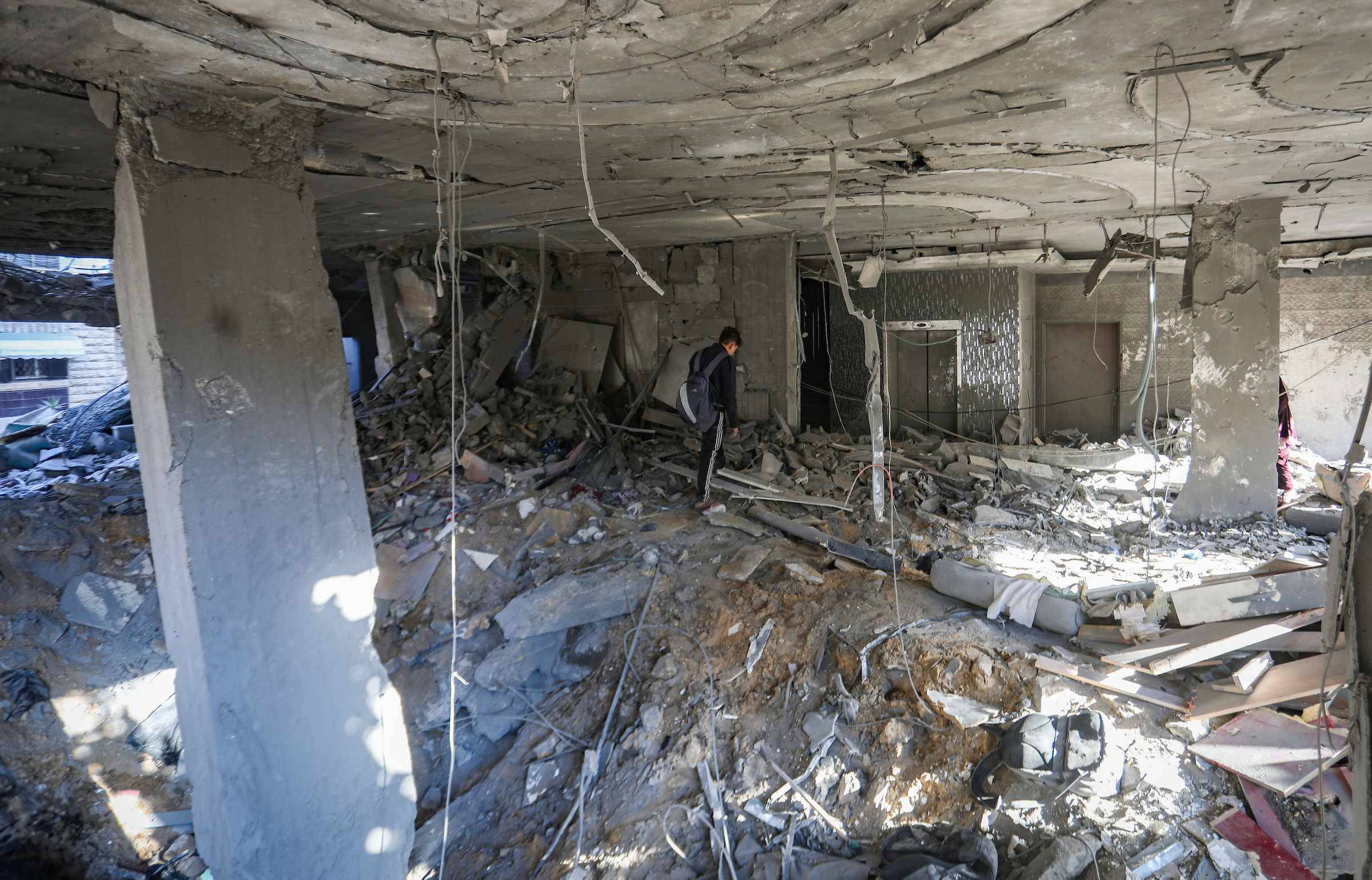
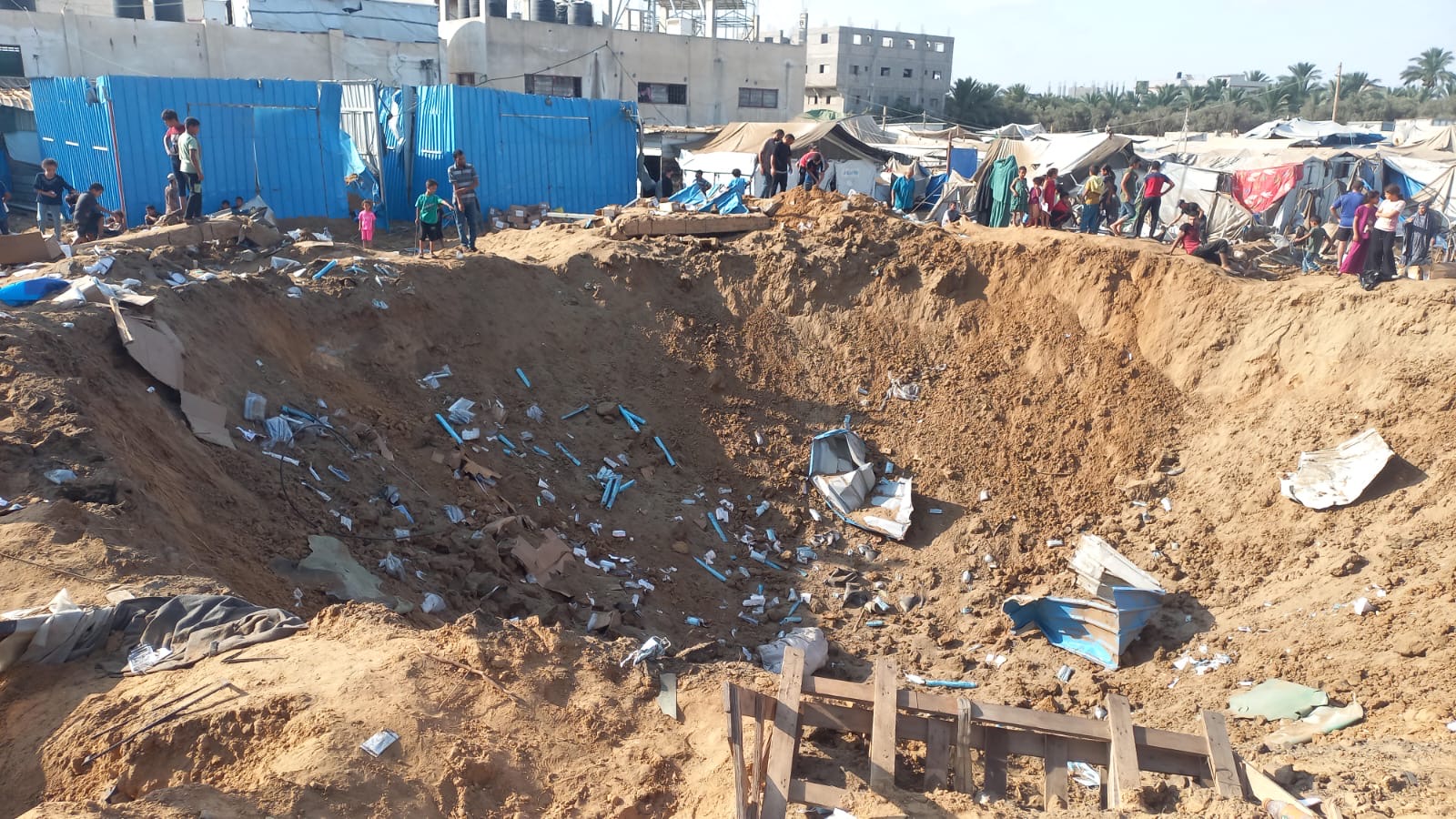
At approximately 02:20 on the same day, an Israeli warplane fired a missile at a small barrack located northwest of the courtyard of Al-Aqsa Martyrs Hospital. The barrack was used to store medicines, IV fluids, and other medical supplies for the hospital. It is located adjacent to Al-Aqsa Martyrs Displacement Camp, which comprises 340 tents sheltering approximately 1,940 displaced people, most of them women and children, who had sought refuge in the vicinity of the hospital after being forcibly displaced from various areas across the Gaza Strip.
The strike completely destroyed the medicine warehouse and created a crater tens of meters deep, while also destroying 40 tents inside the displacement camp. Dozens of other tents were damaged, forcibly displacing dozens of families once again. The attack came amid a severe shortage of medicines and medical supplies across hospitals in the Gaza Strip due to the tightened siege and the obstruction of the entry of essential medical supplies.
According to the Ministry of Health, the strike destroyed two of the four warehouses at the targeted site and caused severe damage to the other two. It also caused extensive damage to the outpatient clinic building at Al-Aqsa Martyrs Hospital, which is adjacent to the warehouses, as well as the loss and destruction of significant quantities of vital medical consumables and supplies designated for the treatment and care of patients and injured persons.
In her statement to PCHR’s researcher, Dr. Inshirah al-Kurd, Director of the Pharmacy Department at Al-Aqsa Martyrs Hospital, said that the strike completely destroyed the hospital’s stock of medical fluids of different types, including intravenous resuscitation fluids, fluids designated for patients with kidney failure, dialysis filters, and large quantities of medical supplies necessary for the provision of daily healthcare services.
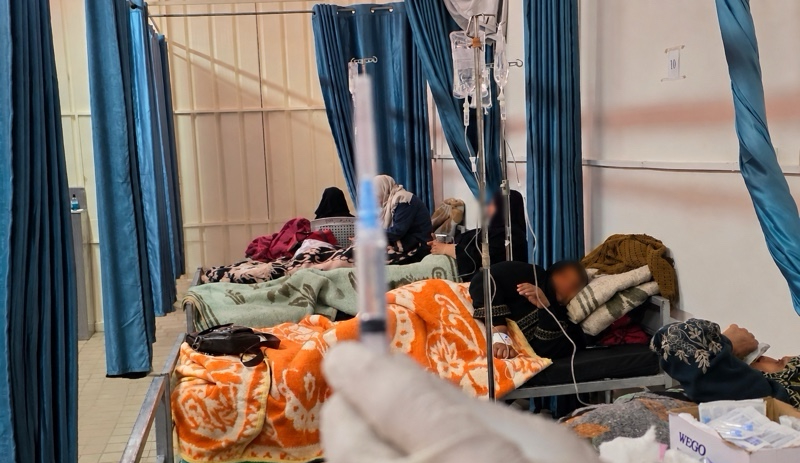
She added that the loss of this stock would have direct and serious consequences on the hospital’s ability to continue providing its services, particularly amid the severe shortages affecting the health sector due to ongoing Israeli attacks and restrictions imposed on the entry of medicines and medical supplies.
She explained that the depletion of medical fluids significantly reduces the ability of medical teams to respond to injuries resulting from bombardment, perform surgeries, provide emergency care, and treat patients who rely on intravenous fluids as an essential part of their treatment protocols. She further warned that the destruction of dialysis fluids and filters directly threatens the continuity of treatment for patients with kidney failure, who depend on regular dialysis sessions to remain alive, placing their lives at imminent risk.
PCHR emphasizes that hospitals, medical units, and warehouses designated for medicines and medical supplies enjoy special protection under the 1949 Fourth Geneva Convention and 1977 Additional Protocol I. They must not be attacked, their functioning must not be disrupted, and they must not be deprived of supplies necessary for their operation, unless they are used, outside their humanitarian functions, to commit acts harmful to the opposing party. To date, the IOF have provided no evidence indicating such use.
The deliberate destruction of medical supplies and the deprivation of the population of essential healthcare, amid the siege and blocking entry of medicines, fuel, and medical supplies, amount to the use of starvation and the deprivation of objects indispensable to civilian survival as methods of warfare. Such acts also constitute one of the acts of the crime of genocide, as they contribute to the infliction of conditions of life on the Palestinian population calculated to bring about its partial or total destruction. They also amount to war crimes and crimes against humanity falling within the jurisdiction of the International Criminal Court.
PCHR reiterates its call on the international community to take immediate action to end the ongoing crime of genocide in the Gaza Strip, take concrete and binding measures to ensure the protection of civilians and medical facilities, and compel Israel to respect its obligations under international humanitarian law.
PCHR also urges the international community to end the illegal siege imposed on the Gaza Strip, ensure the immediate, safe, and sustained flow of medicines, medical supplies, and fuel, and enable hospitals to restore their capacity to provide healthcare services to the civilian population.