The Gaza Strip is facing an acute and worsening shortage of essential medicines, medical consumables, and laboratory supplies, amid the growing inability of medical facilities to meet the treatment needs of hundreds of thousands of patients, particularly those with cancer, kidney failure, and chronic diseases. The Palestinian Centre for Human Rights (PCHR) believes that the ongoing restrictions imposed by Israeli Occupation Forces (IOF) on the entry of medicines, medical consumables, and medical supplies, coupled with the obstruction of efforts to rehabilitate and restore the operation of medical facilities destroyed during the attacks, constitute an extension of Israel’s comprehensive policy of medical strangulation against the civilian population in the Gaza Strip. This policy seeks to undermine the foundations of the healthcare system and paralyze its capacity to provide medical care and treatment.
PCHR emphasizes that Israel’s deliberate and sustained denial of essential medicines, medical consumables, and laboratory supplies to the civilian population in the Gaza Strip, and the resulting deprivation of patients of medical treatment, the obstruction of diagnostic procedures and life-saving interventions, and the infliction of severe physical suffering and preventable deaths, amount to the deliberate infliction of conditions of life calculated to bring about the physical destruction of the population, in whole or in part. This constitutes the third category of genocidal acts set out in Article II(c) of the 1948 Convention on the Prevention and Punishment of the Crime of Genocide.
Israel’s continued obstruction of the entry of medicines and medical supplies into the Gaza Strip reflects its persistent defiance of the international community and continued refusal to comply with the provisional measures ordered by the International Court of Justice (ICJ). The Court specifically underscored the need to ensure the provision of essential services and humanitarian assistance and to prevent the further deterioration of living conditions to an extent that would endanger the lives of civilians.
In this context, the World Health Organization (WHO) warned of the serious consequences of delays in the entry of medical supplies and restrictions on their delivery, including life-saving medicines, prosthetics, and assistive devices. It stressed that these restrictions directly undermine patients’ health and their access to essential treatment services1. The United Nations Office for the Coordination of Humanitarian Affairs (OCHA) also reported shortages of medicines for non-communicable diseases, insulin, intravenous fluids, anesthetic drugs, surgical supplies, and specialized medical consumables. These shortages further undermine the capacity of health facilities to respond to growing medical needs and threaten the continued provision of essential, lifesaving healthcare services2.
Dr Zekri Abu Qamar, Director General of Pharmacy at the Ministry of Health in the Gaza Strip3, told PCHR’s researcher that stocks of medicines and medical supplies were facing a severe deterioration, with large numbers of medicines, medical consumables, and laboratory testing materials out of stock. This has directly undermined the ability of health facilities to provide patients with essential treatment and diagnostic services. He explained that the shortage of essential medicines in the Ministry of Health’s central warehouses had reached 42%, with 263 of the 622 approved medicines completely out of stock. The shortage of medical consumables stood at 50%, with 508 of the 1,006 listed items unavailable. The impact of these shortages has also extended across medical departments and services. Shortages have reached 56% in maternal and child health services, 55% in chemotherapy and hematology services, 46% in primary healthcare, 37% in immunization and vaccination services, 33% in kidney transplant and dialysis services, 31% in emergency, surgery, and intensive care services, and 30% in mental health services. Some diagnostic and specialized departments are facing critical shortages that threaten their ability to continue operating. Shortages have reached 100% in public health laboratories, immunology, and tumor marker testing; 97% in histopathology supplies; 91% in ophthalmic surgery supplies and blood gas and electrolyte testing materials; and 73% in supplies for open-heart surgery and cardiac catheterization.
These figures point to a serious deterioration in the healthcare system’s capacity to provide essential medicines, conduct necessary diagnostic tests, and maintain specialized medical services. This directly undermines patients’ chances to obtain timely diagnoses and treatment, particularly those with cancer, kidney and blood diseases, as well as women, children, and patients requiring specialized medical care and surgical interventions. Unless alternative supplies are provided urgently and on a regular basis, continued stockouts of medicines, medical consumables, and laboratory testing materials will further disrupt healthcare services, delay diagnosis and treatment, and expose patients to increased health risks. These consequences are compounded by the severely limited capacity of healthcare facilities to respond to the population’s growing medical needs.
The crisis is particularly acute for cancer patients, who depend on regular, specialized treatment that cannot easily be substituted or postponed without exposing them to serious health risks. According to the latest data released by the Palestinian Ministry of Health4 on 5 November 2026, shortages in chemotherapy and hematology services had reached 55%, amid the depletion of essential chemotherapy and hormone therapy drugs, immunosuppressive medications, and clotting factors. As a result, treatment protocols for thousands of patients have been disrupted, exposing them to serious health complications and placing their lives at risk.
Marwa Soliman Salem Shurrab (54), a stomach cancer patient originally from the Ma’en area of Khan Younis and currently displaced in Deir al-Balah5, told PCHR’s field researcher:
“I began experiencing stomach pain, abdominal cramps, and congestion in May 2026. After undergoing medical tests and a biopsy, a tumor was found and I was diagnosed with stomach cancer. In September 2026, I began chemotherapy at Nasser Hospital in Khan Younis, in accordance with the treatment protocol prescribed for my condition. However, I was unable to continue treatment as planned because the hospital ran out of essential chemotherapy doses only one month after I started. Doctors were forced to consider alternative medications that were not compatible with my prescribed treatment protocol. My health has since deteriorated, and I have lost a lot weight, reaching just 45 kilograms. I also suffer from persistent and severe pain that has become unbearable, particularly as the painkillers available to me have failed to provide sufficient relief. This has further compounded my physical and psychological suffering. Due to the unavailability of the chemotherapy required to complete my treatment in the Gaza Strip, I obtained a medical report and a referral for treatment abroad. Since then, I have been waiting for security clearance from the Israeli authorities to allow me to travel through Rafah Border Crossing to Egypt, where I can continue my treatment and receive the necessary medication and medical care. I live in constant fear and anxiety for my life. With no treatment available for my condition in the Gaza Strip and no possibility of travelling abroad for medical care, I am being deprived of the opportunity to continue my treatment and am exposed to increasingly serious health risks.”
Patients with kidney failure are facing growing risks due to shortages of the medicines and medical consumables required for dialysis, including filters, dialysis fluids, and other essential supplies. Any interruption or disruption to dialysis sessions poses a direct threat to patients’ lives, as their survival depends on receiving these sessions regularly and on time, with the necessary supplies consistently available.
Yousif Ibrahim ‘Ali al-‘Athamnah (53), Kidney Failure patient, from Deir al-Balah6, told PCHR’s field researcher:
“I have been suffering from kidney failure since 2021. I underwent a kidney transplant in November of that year, but the transplant subsequently failed, and I had to resume dialysis in February 2023. Since then, I have required an average of three dialysis sessions per week.
Following the outbreak of the war in October 2023, access to treatment became increasingly difficult. Patients were forcibly displaced to the central Gaza Strip, resulting in overcrowding and a shortage of dialysis machines. Consequently, the duration of dialysis sessions was reduced from four hours to two hours, and at times to just one hour, while the number of sessions was cut to two per week. These disruptions left me suffering from exhaustion, nausea, swelling, and high blood pressure. I have also faced severe shortages of essential medicines and medical consumables. My calcium medication was unavailable for six months, while EPO injections were unavailable for a year and a half. There have also been shortages of sodium bicarbonate, with some formulations unavailable for approximately two months. My suffering has been compounded by the deteriorating condition of dialysis chairs and the shortage of essential medical supplies, making it extremely difficult to receive dialysis safely and regularly.”
‘Ola Mohammed Mohammed Shabat (28), originally from Beit Hanoun in the northern Gaza Strip and currently displaced in western Gaza City, whose daughter suffers from kidney failure and high blood pressure7, told PCHR’s field researcher:
“During the war, particularly on 3 April 2024, I gave birth to my daughter, Amnah, by Caesarean section at Kamal ‘Odwan Hospital. When she was eight months old, she began suffering from high fever, severe fatigue, and swellings of her face and body. Medical tests revealed that she had an enlarged liver, atrophy of the right kidney, grade V vesicoureteral reflux affecting both kidneys, and hypertension secondary to kidney disease. My daughter requires daily medication to manage her kidney condition and high blood pressure. However, these medicines are not consistently available at government hospitals or UNRWA clinics, forcing us to purchase them from private pharmacies whenever they are available. This costs us up to 150 shekels a week, an amount that exceeds our financial means. She also requires mineral water and a specialized diet, which we cannot afford to provide consistently. Amnah suffers from urinary tract swelling, severe difficulty urinating, and persistent pain. Her health continues to deteriorate amid shortages of essential medicines and the lack of adequate medical care. Given the severity of her condition, she requires ureteral reimplantation surgery, which cannot be performed in the Gaza Strip due to the lack of the necessary medical resources. On 30 September 2026, the Ministry of Health issued a referral for her to receive treatment abroad. However, she is still awaiting Israeli approval to travel, while we fear that her condition may deteriorate further before she can access the treatment she urgently needs.”
More than 350,000 patients with chronic diseases in the Gaza Strip face serious difficulties accessing their medication. They include more than 225,000 patients with hypertension and 71,000 people with diabetes, including 3,500 with type 1 diabetes. Shortages of medicines, particularly insulin and medications for chronic diseases, expose these patients to serious health complications that may, in some cases, be life-threatening. Diabetic patients are also struggling to obtain insulin pens, insulin injections, blood glucose monitors, and testing strips. The Ministry of Health has reported that, amid the shortage of insulin pens, some patients have been forced to use traditional insulin vials, while others have had to reuse the same needles more than once due to their unavailability. Such practices increase the risk of infection and other health complications. Also, the shortage of laboratory testing services, including glycated hemoglobin (HbA1c) testing, further undermines doctors’ ability to monitor patients’ conditions and adjust their treatment plans accordingly.
Forat ‘Abdel Majeed ‘Abdel Ghani Thaher (60), originally from al-Shabourah refugee camp in Rafah and currently displaced in al-Mawasi area of Khan Younis8, told PCHR’s field researcher:
“I have been suffering from chronic hypertension and type 1 diabetes for more than 20 years. Before I was forcibly displaced to al-Mawasi area of Khan Younis in May 2024, I was able to obtain my medication for free and on a regular basis from the UNRWA clinic in Rafah. However, approximately a month and a half ago, the supply of my hypertension and heart medications was discontinued due to shortages, forcing me to purchase them from private pharmacies at prices beyond my financial means. The interruption of my treatment and my having to resort to less effective alternatives have led to a rise in my blood pressure and irregular heartbeat, as well as headaches and dizziness. I also face an acute shortage of insulin. Last month, I received only half the quantity I needed, despite requiring two doses daily. Diabetes has also caused serious complications affecting my eyesight. A month ago, I underwent surgery to treat bleeding and hematomas after having been unable to access regular laser treatment sessions. I fear that continued shortages of medication and disruptions to my treatment will further deteriorate my health, aggravate these complications, and put my life at risk.”
Mo’in Khalil Ahmed Ibrahim (59), originally from Rafah and currently displaced in Mawasi Khan Younis9, told PCHR’s field researcher:
“I have been suffering from chronic hypertension since 2016. I used to receive my medication for free and on a regular basis from the UNRWA clinic in Rafah refugee camp. However, following our displacement to al-Mawasi area of Khan Younis in June 2024, I began experiencing repeated interruptions in my treatment, with hypertension medication sometimes remaining unavailable at clinics and health centers for months. I currently require two types of medication to control my blood pressure, but neither has been available for approximately two months. This has forced me to seek them from private pharmacies and purchase them at my own expense. At times, however, I cannot afford them due to the high prices and lack of money, or because the medicines are unavailable altogether, leaving me to resort to less effective alternatives. The irregularity of my treatment has caused my blood pressure to rise and has left me suffering from almost constant headaches, severe fatigue, dizziness, and weakness in my limbs. These symptoms further increase the health risks I face amid continued shortages of medication and the difficulty of obtaining it.”
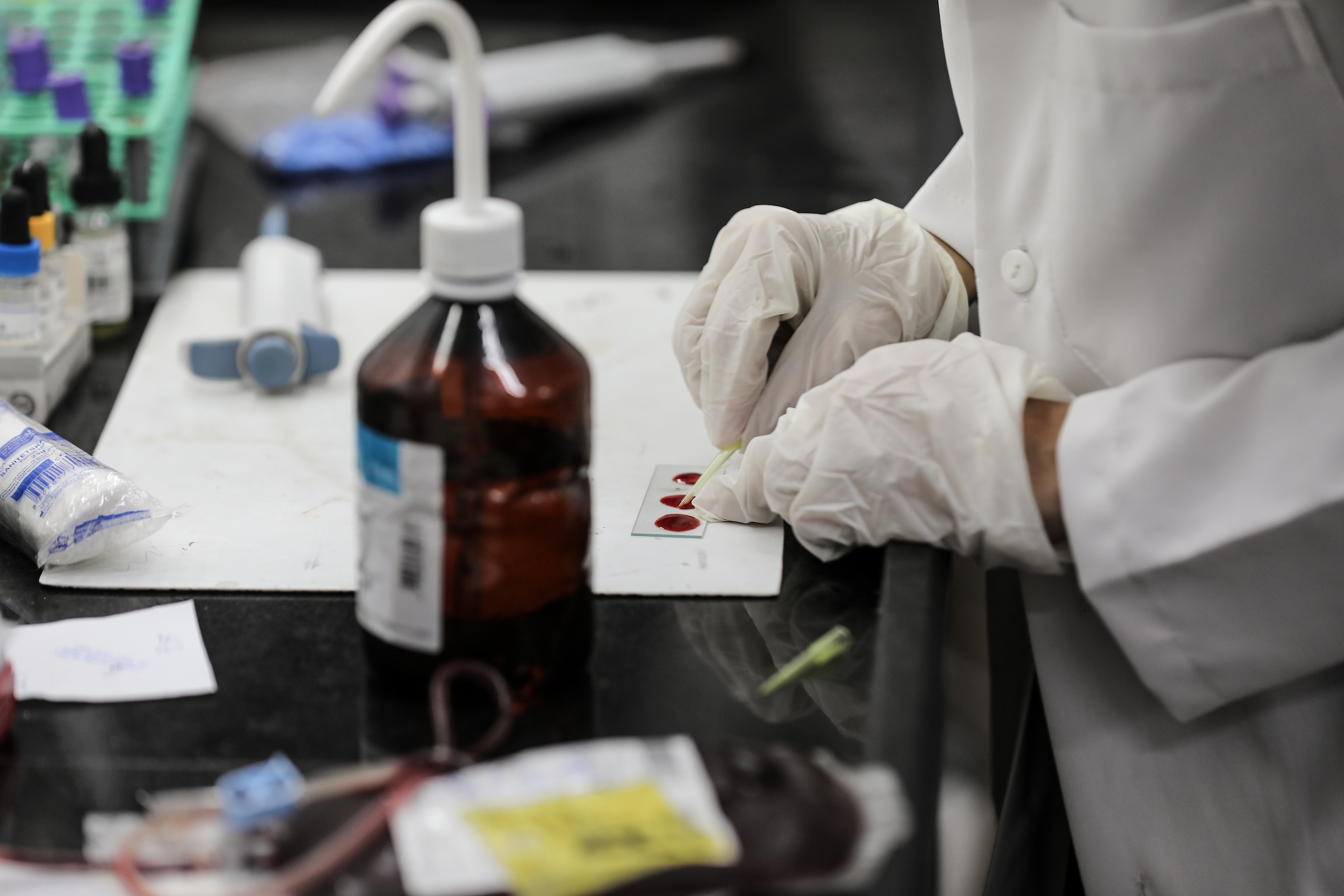
Medical laboratories in the Gaza Strip are facing a worsening crisis due to acute shortages of laboratory reagents, materials, and supplies, compounded by the breakdown of essential diagnostic equipment and the inability to repair it. These shortages and technical failures have undermined laboratories’ capacity to conduct the tests required to diagnose diseases, monitor patients’ conditions, and assess their response to treatment. This poses a particular threat to patients who require regular laboratory testing or urgent diagnosis. In this context, Dr Zekri Abu Qamar10 told PCHR’s researcher that the shortage of laboratory reagents, which are chemical or biological substances used to conduct medical analyses and tests, had reached 71%, with 428 of the 605 listed items completely out of stock. The laboratory supplies with zero stock, including the tools and consumables required to conduct tests, stood at 76%, with 582 of the 764 listed items unavailable. These shortages have curtailed laboratories’ capacity to conduct essential routine and specialized diagnostic tests, undermining doctors’ ability to accurately diagnose diseases and injuries, monitor the progression of patients’ conditions, particularly critical cases, and make appropriate treatment decisions in a timely manner. This places patients’ safety at risk and delays access to essential medical interventions.
Dr Hossam Youssef Hamad11, owner of Hossam Laboratory in Gaza City, told PCHR’s researcher that acute shortages of laboratory supplies had made it impossible to conduct a number of essential tests, most notably vitamin B12 and vitamin D tests, as well as tests for minerals, including sodium, potassium, and zinc. Hormone testing has also been severely affected, particularly growth hormone testing, the cost of which has risen to approximately 250 shekels per test. Some patients may require up to four tests a day, imposing a financial burden beyond the means of many families. He added that supplies for blood gas testing had been completely depleted. This test is particularly important for intensive care patients and critical cases, including unconscious patients and those in comas, as it helps assess blood gas levels and the acid–base balance in the blood, providing medical teams with essential information for making urgent treatment decisions. Several other tests are also currently unavailable, including tests for thalassemia, tumor markers, epilepsy-related tests and tests used to monitor medication levels. This has hindered the diagnosis and monitoring of these conditions and the assessment of treatment effectiveness. Hamad noted that the prices of tests that remain available had risen sharply due to increased costs and the difficulty of obtaining reagents and operating materials. He warned that if restrictions on the entry of laboratory supplies continue over the next two weeks, laboratories may be forced to completely suspend a number of essential routine and specialized tests.
Doctors at the Pediatric Hemato-oncology Department at ‘Abdel ‘Aziz al-Rantisi Hospital12 told PCHR’s field researcher that the department is currently facing acute shortages of medical devices and essential equipment, many of which were destroyed during the IOF raid into the hospital in November 2023, which also caused extensive damage to its facilities and equipment. Despite the department’s partial rehabilitation following the announcement of the ceasefire on 9 October 2025, it still lacks essential equipment required to provide specialized medical care for children with hematological diseases and cancer, particularly intravenous infusion pumps, syringe pumps, and patient vital signs monitors. In addition, all available beds are worn out, while most of the remaining medical devices were recovered from beneath the rubble by hospital staff, who managed to restore some of them to operation. However, these devices are not functioning at their original level of efficiency and cannot guarantee sufficiently accurate and reliable results.
The doctors added that shortages of essential medicines have forced them to resort to alternative medications and adjust dosages in an effort to keep sick children alive and prevent their conditions from deteriorating while they await the opportunity to travel abroad for specialized treatment. They explained how these alternatives do not necessarily provide the required therapeutic effectiveness or meet the specific medical needs of each case. They may also cause additional health complications, further heightening the already serious risks to these children’s lives and threatening their health.
PCHR emphasizes that the acute shortages of medicines, medical consumables, and laboratory supplies, coupled with Israeli restrictions on their entry into the Gaza Strip, constitute a grave violation of the obligations of the occupying power under international humanitarian law and international human rights law. This is particularly serious given that hundreds of thousands of patients depend on the availability of essential medicines and medical supplies for diagnosis and treatment, especially patients with cancer, kidney failure, and chronic diseases.
Under Article 55 of the 1994 Fourth Geneva Convention, the occupying power has the duty of ensuring the food and medical supplies of the population; it should, in particular, bring in the necessary foodstuffs, medical stores and other supplies if the resources of the occupied territory are inadequate. Article 56 further requires the occupying power to ensure and maintain medical and hospital establishments and services, public health and hygiene in the occupied territory. Acts involving willfully causing great suffering or serious injury to body or health constitute grave breaches under Article 147 of the Convention, provided that the relevant legal requirements are met.
Under Article II(c) of the 1948 Convention on the Prevention and Punishment of the Crime of Genocide, it is prohibited to deliberately inflict on a national, ethnical, racial or religious group conditions of life calculated to bring about its physical destruction, in whole or in part. In this context, the deliberate and sustained deprivation of the civilian population in the Gaza Strip of essential medicines, medical consumables, and laboratory supplies, and the resulting denial of medical treatment to patients, obstruction of diagnosis and lifesaving medical interventions, and infliction of severe suffering and preventable deaths, constitute the deliberate infliction on the group of conditions of life calculated to bring about its physical destruction, in whole or in part. Furthermore, depending on their nature, context, and circumstances, these acts may also constitute war crimes or crimes against humanity under the Rome Statute of the International Criminal Court.
These practices also violate the right to health under Article 12 of the International Covenant on Economic, Social and Cultural Rights and the right to life under Article 6 of the International Covenant on Civil and Political Rights. These provisions entail obligations to ensure the availability of and access to essential medicines and medical services without discrimination.
Accordingly, PCHR calls on the international community to take effective and practical measures to compel Israel, as the occupying power, to ensure the immediate, safe, sustained, and adequate entry of medicines, medical consumables, laboratory supplies, and diagnostic equipment into the Gaza Strip. This includes reopening all crossings necessary to ensure the unimpeded and unrestricted entry of medical supplies, while prioritizing lifesaving medicines, medications for cancer and chronic diseases, and supplies required for kidney dialysis, anesthesia, and surgical procedures. PCHR further calls for WHO and international medical organizations to allow them to bring in essential medical supplies and technical teams to restore specialized healthcare services, and for urgent medical evacuations to be ensured for patients whose required treatment is unavailable in the Gaza Strip. PCHR also calls on the United Nations and States Parties to the Geneva Conventions to monitor and document the impact of medicine and medical supply shortages, exert pressure to ensure respect for international law, and hold those responsible for the violation of this law accountable.’