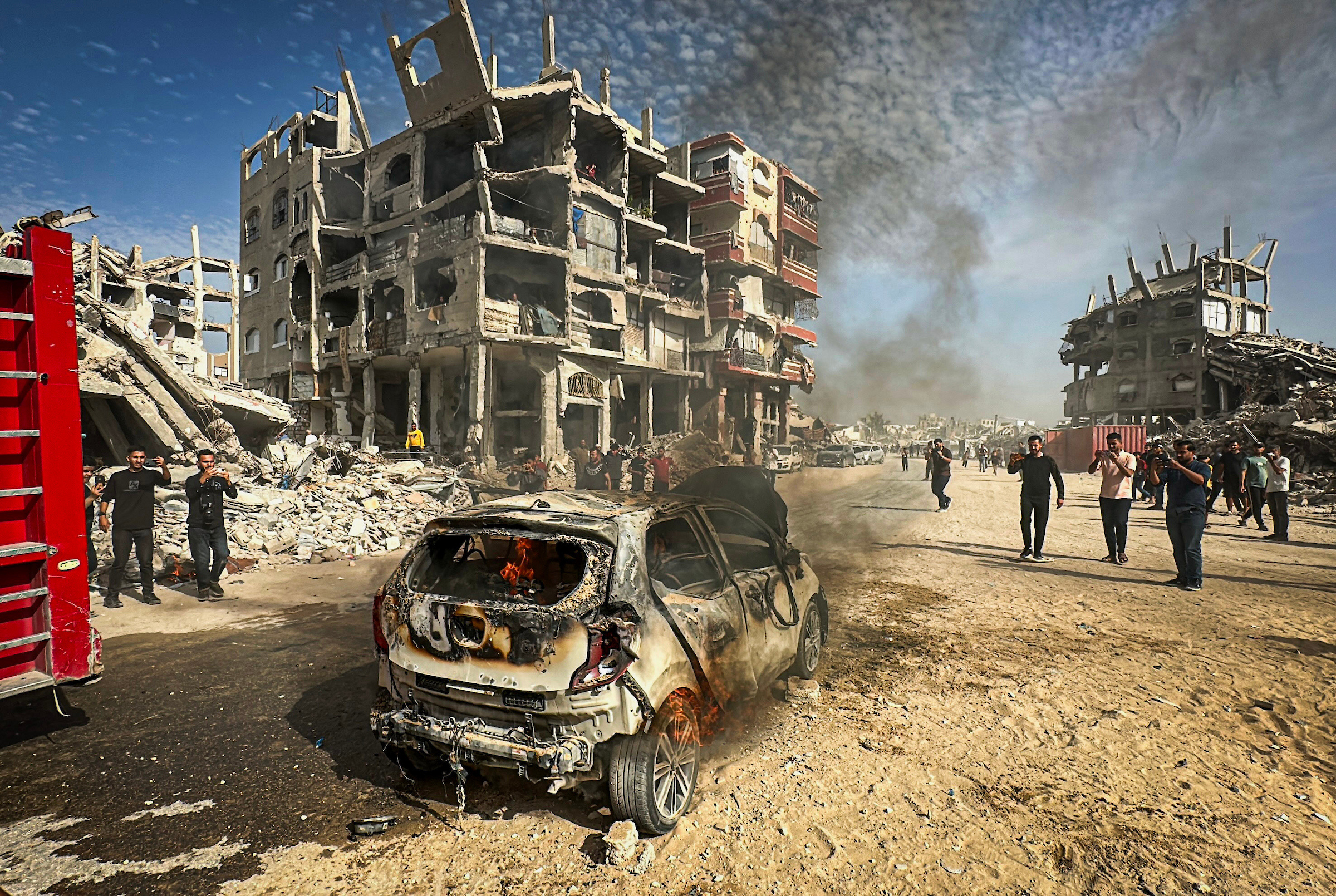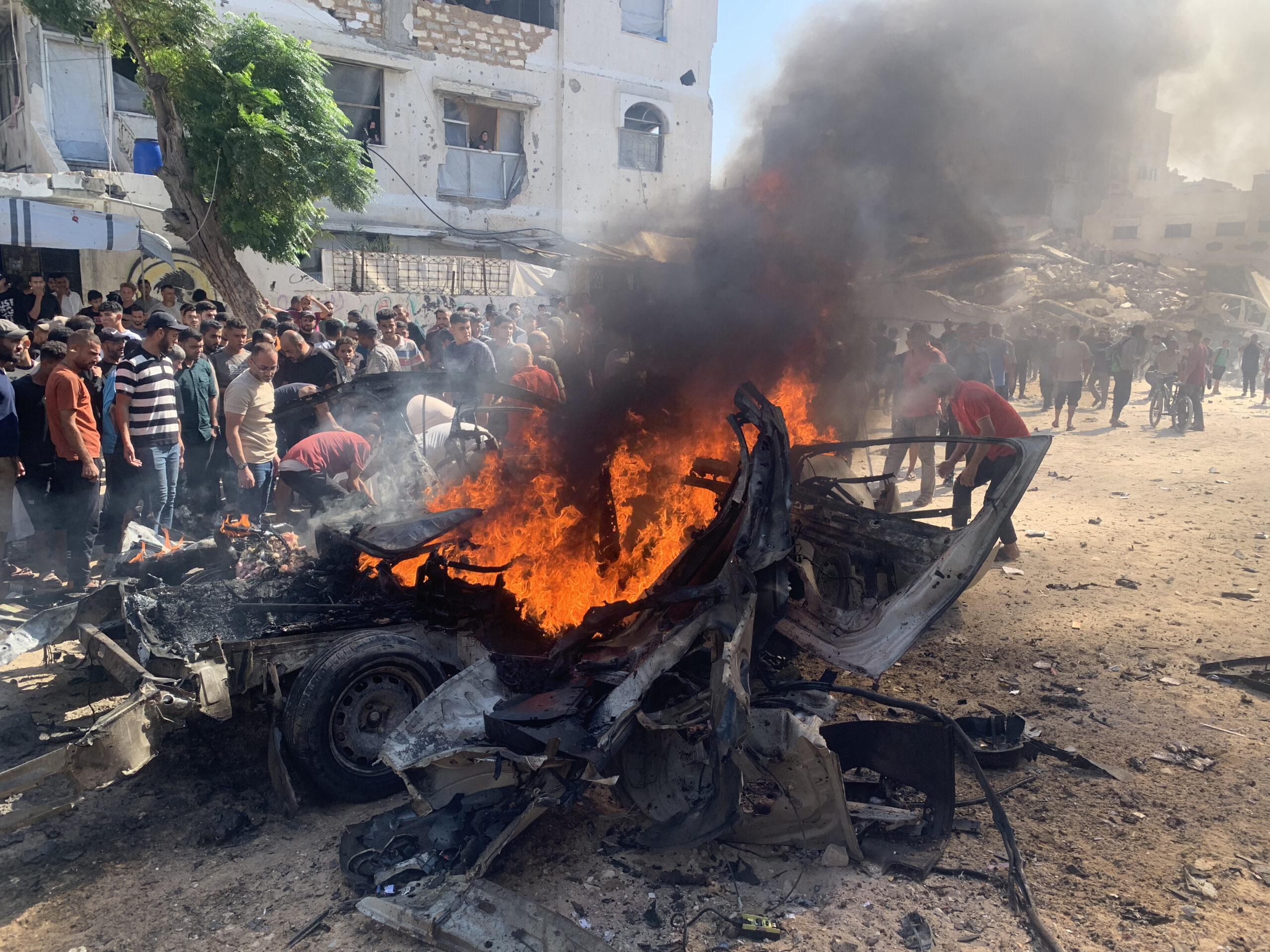
From 5 to 7 November 2026, Israeli Occupation Forces (IOF) killed five Palestinians, including two children and a woman, while three others, including two female university students, succumbed to injuries sustained earlier amid continued Israeli attacks across the Gaza Strip.
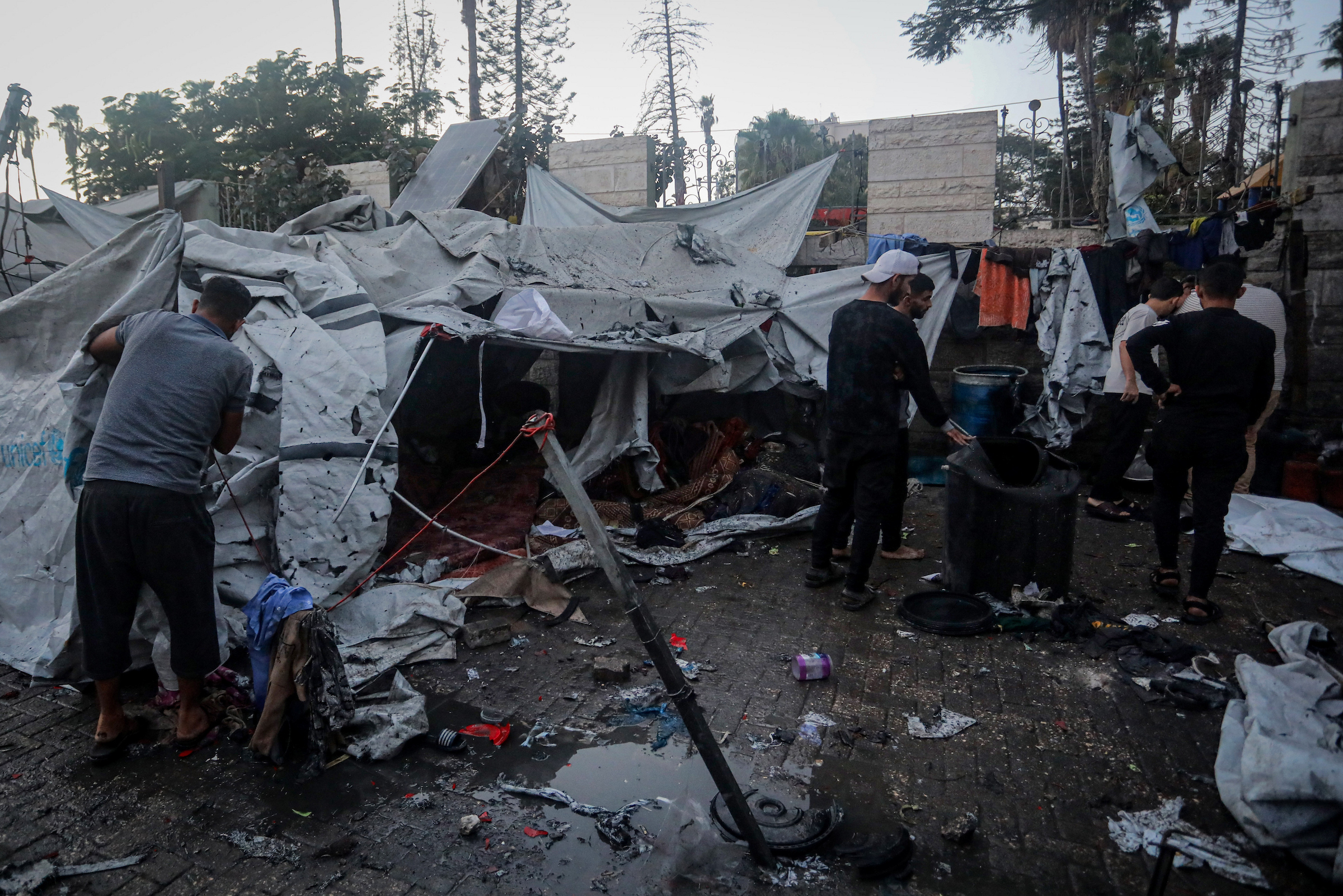
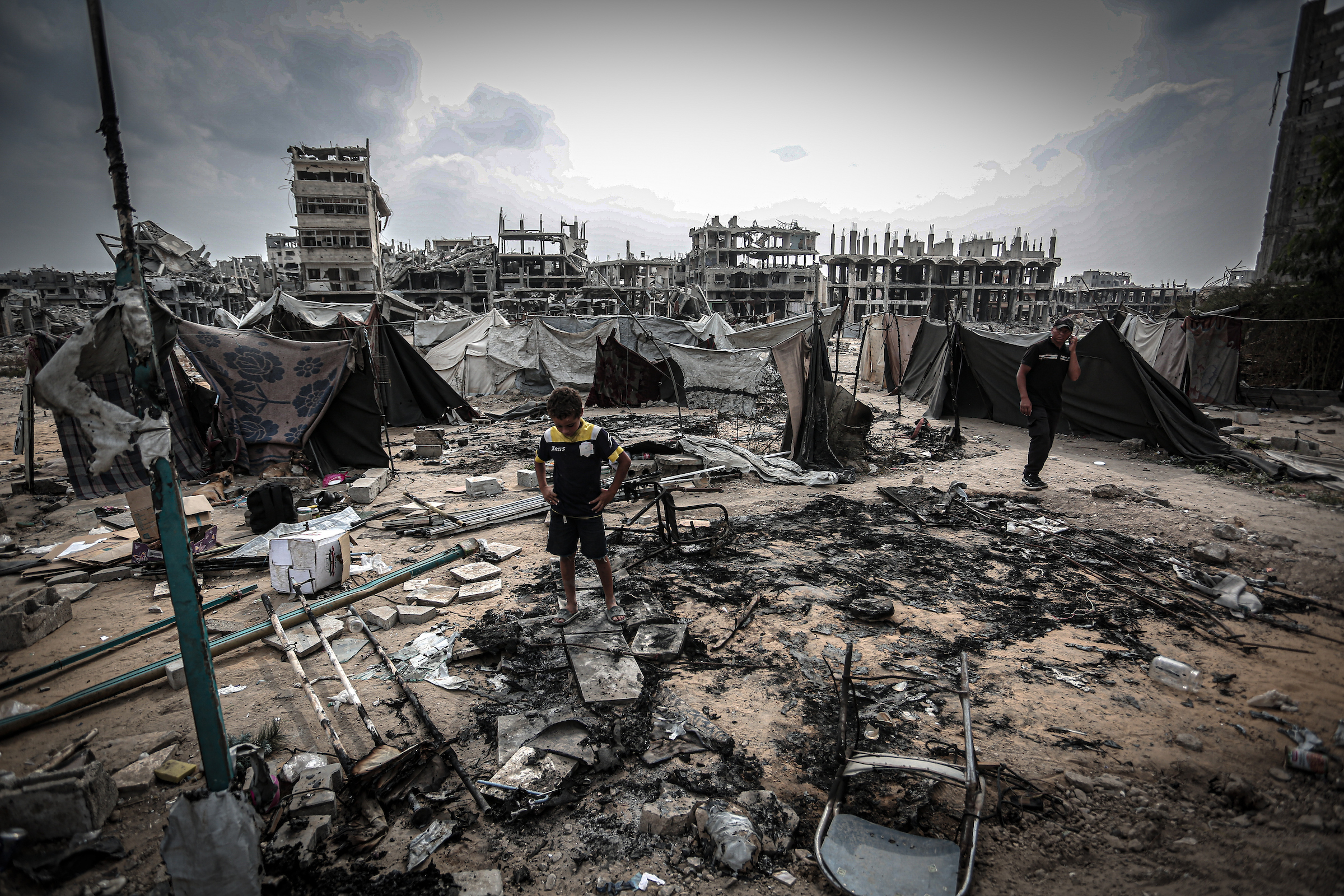
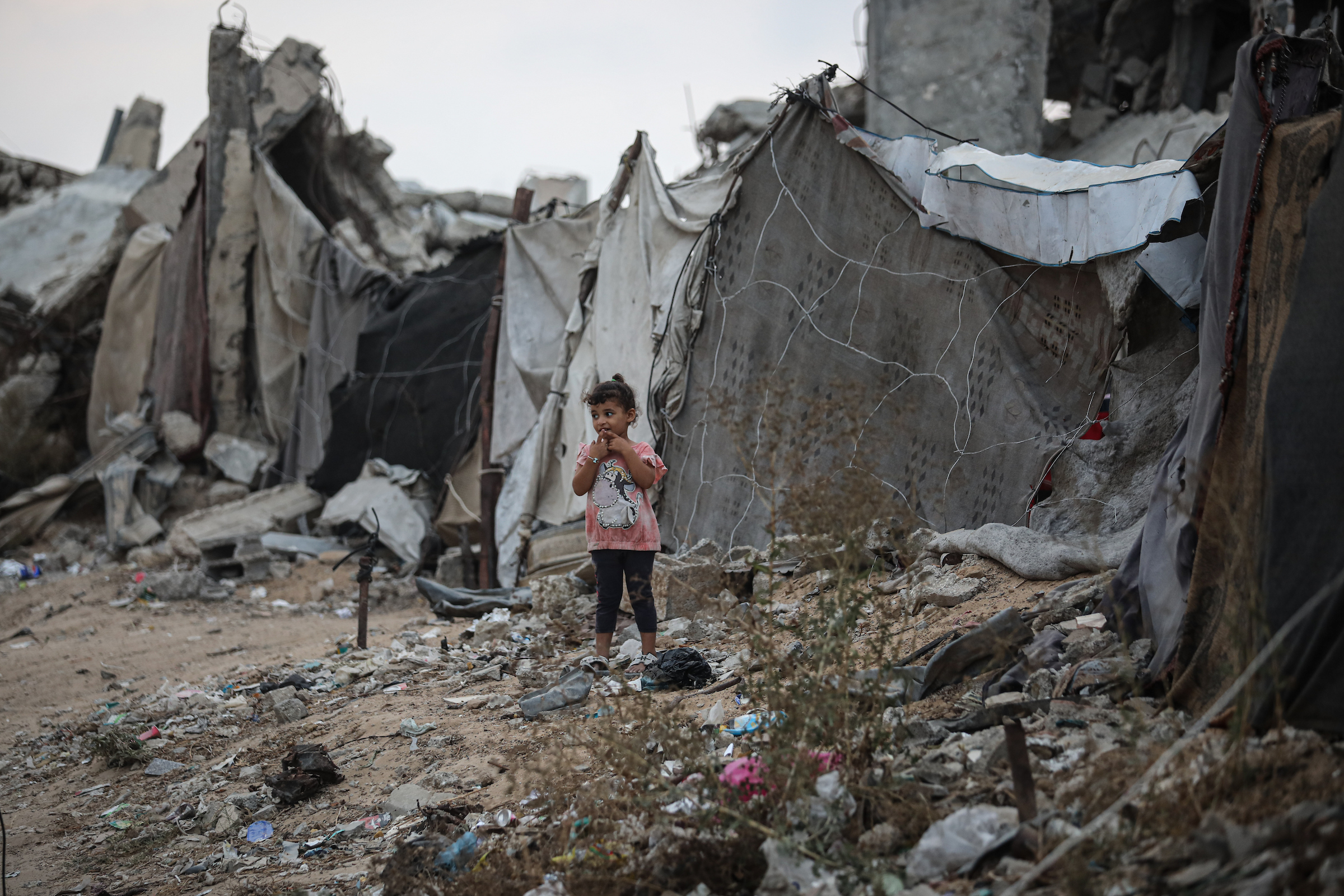
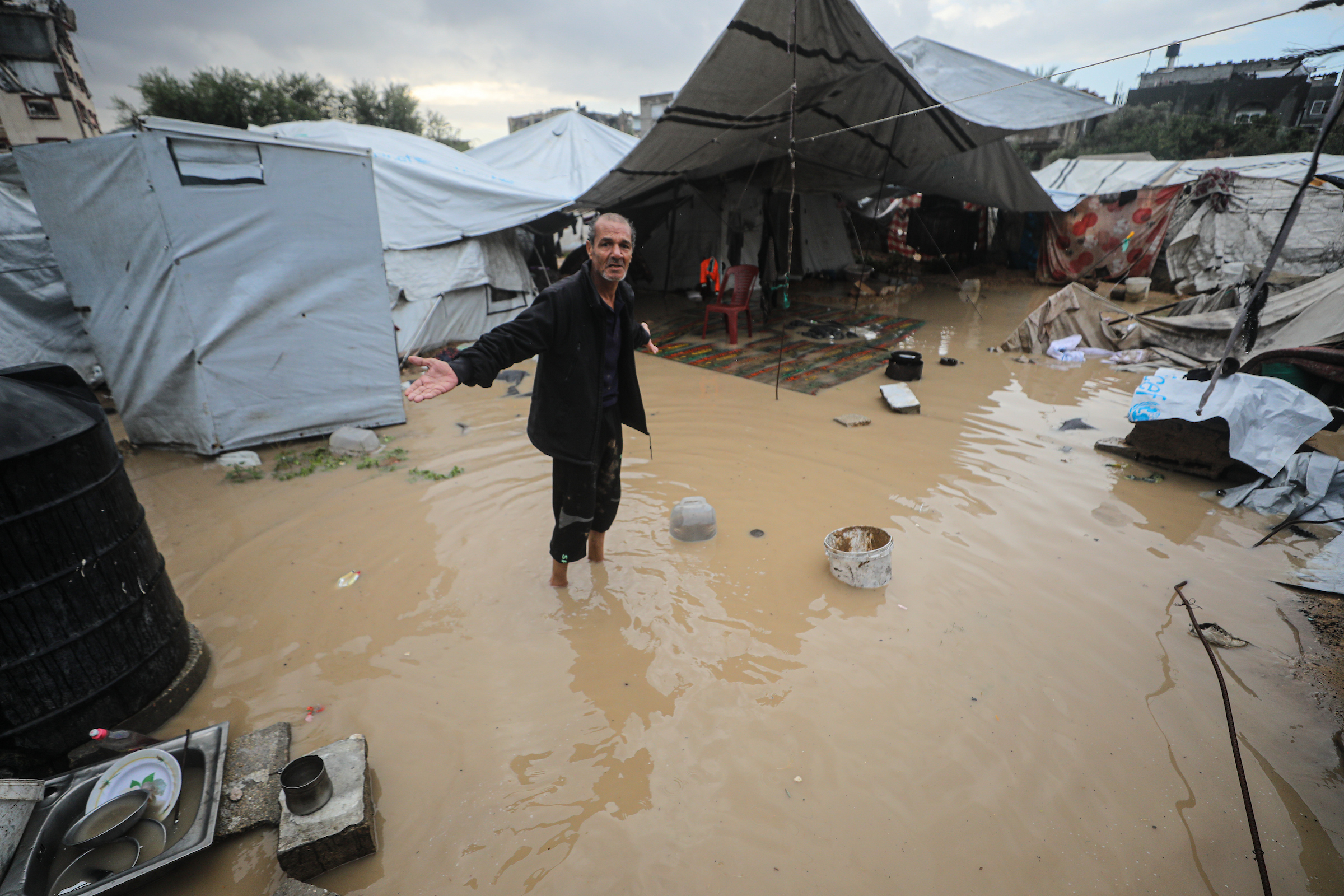
These attacks coincided with heavy rains, strong winds, and low temperatures across the Gaza Strip. As a result, approximately 70,000 tents sheltering displaced families were flooded, further worsening the already dire living conditions of around 350,000 displaced Palestinians. This comes amid the ongoing humanitarian catastrophe facing the population after three years of Israeli genocide, widespread destruction of homes and infrastructure, the forced displacement of hundreds of thousands of families, and the denial of access to the basic necessities of life.
The Palestinian Centre for Human Rights (PCHR) stresses that continued Israeli attacks, compounded by the deteriorating humanitarian conditions and the threat posed by winter storms, are exacerbating the suffering of Palestinian civilians and exposing their lives to further danger. This is happening at a time when the Gaza Strip lacks even the most basic requirements for an adequate humanitarian response, amid Israel’s ongoing restrictions on the entry of humanitarian aid, essential supplies, and equipment, including tents, as the winter season begins.
Among the most significant attacks documented by PCHR’s field researchers:
On Saturday, 7 November 2026, medical sources at Nasser Medical Complex announced the death of Basmallah ‘Atef Sha’ban al-Seksek (20), a female student at the University College of Applied Sciences, who had succumbed to serious injuries sustained in an earlier Israeli drone strike. The strike occurred at approximately 11:12 on Tuesday, 3 November 2026, when an Israeli drone fired two missiles at a tent inside the University College’s campus in al-Mawasi, west of Khan Younis. The attack killed Khaled Ibrahim Mohammed Shalouf (44) and wounded several others, including a girl.
At approximately 17:00 on Friday, 6 November 2026, an Israeli drone targeted a group of Palestinians gathered in the Beer Ne’ajah area, west of Jabalia in the northern Gaza Strip. The attack wounded five Palestinians, who were transferred to al-Shifa Medical Complex and nearby medical points for treatment. One of the wounded was reported to be in critical condition.
On Friday morning, 6 November 2026, medical sources at al-Shifa Medical Complex in Gaza City announced the death of Nabil ‘Attiyah Hamad (47), who had succumbed to critical injuries sustained at approximately 12:30 on Saturday, 31 October 2026, when an Israeli drone fired a missile at a group of Palestinians gathered in the al-Balakhya area of al-Shati’ refugee camp, northwest of Gaza City. The attack had wounded six Palestinians, who were transferred to al-Shifa Medical Complex for treatment. Hamad was among the wounded and was reported to be in critical condition. He remained in the Intensive Care Unit until his death was announced.
On the same morning, medical sources at al-Shifa Medical Complex in Gaza City announced the death of Sarah Hasan Mohammed Abu Jayyab (23), who had succumbed to critical injuries sustained earlier, on Sunday morning, 25 October 2026, when an Israeli drone fired a missile at a group of students gathered near the Palestine Building on its western side, inside the Islamic University campus in Gaza City. The building is designated for students of the Faculties of Engineering, Medicine, and Nursing. The attack wounded seven students, including two female students. At the time, medical sources reported that two of the wounded, including Abu Jayyab, were in critical condition. Abu Jayyab remained under medical care until her death was announced.
At approximately 17:00 on Thursday, 5 November 2026, IOF military cranes stationed in the Yellow Zone opened heavy fire towards the western areas of the central Gaza Strip. The gunfire continued for approximately half an hour, wounding a young man inside the Egyptian Displacement Camp in al-Zahra City, as well as an elderly woman and a child in al-Bureij refugee camp. The three wounded were transferred to al-‘Awda Hospital in al-Nusseirat refugee camp in the central Gaza Strip for treatment.
At approximately 17:30 on the same day, an Israeli drone targeted a group of Palestinians gathered near al-Shuhadaa’ Intersection in al-Shati’ refugee camp, west of Gaza City. The attack killed Mohammed ‘Atta Zaki al-Qishawi (36) and wounded four others.
At approximately 15:30 on the same day, IOF stationed in the Yellow Zone, southwest of Khan Younis, opened fire on Palestinians in the vicinity of Beer 19 in the al-Mawasi area, southwest of Khan Younis. The shooting killed Mohammed Nedal Mohammed Barbakh (15), who was struck by a bullet in the neck that exited through his back while he was training with other players at al-Nejmah Sports Academy for Football, south of the Beer 19 Intersection.
At approximately 13:36 on the same day, an Israeli drone targeted a group of Palestinians gathered near Mamdouh Seidam Girls’ High School in al-Nusseirat refugee camp in the central Gaza Strip. The attack wounded six Palestinians, who were transferred to al-‘Awda Hospital in the camp for treatment. One of the wounded was reported to be in critical condition.
At approximately 12:50 on the same day, an Israeli drone fired a missile at Fadel ‘Abdullah Suleiman Abu Mzayed (55) while he was near the headquarters of Al-Quds Open University in al-Zawaydah in the central Gaza Strip. The strike critically wounded him, and he was transferred to al-Aqsa Martyrs Hospital in Deir al-Balah for treatment; however, approximately ten minutes after his arrival, he was pronounced dead succumbing to his critical injuries.
At approximately 11:30 on the same day, IOF stationed in the Yellow Zone, east and north of al-Bureij refugee camp in the central Gaza Strip, opened fire towards the western areas of the camp. The shooting wounded ‘Adnan Tariq ‘Adnan al-Qrenawi (12), who was struck by bullets in the abdomen. The child was transferred to al-‘Awda Hospital in al-Nusseirat refugee camp for treatment, where he was later pronounced dead from his injuries.
At approximately 11:30 on the same day, Israeli soldiers stationed in the Yellow Zone, southwest of Khan Younis, opened fire towards tents sheltering displaced persons near Beer 19 in the al-Mawasi area, southwest of Khan Younis. The shooting killed Noura Suleiman Mohammed Abu ‘Athra (Sheikh al-‘Eid) (52), who was struck by a bullet in the face. Her brother, Mohammed Suleiman Mohammed Sheikh al-‘Eid (46), said that his sister was shot while returning to her tent on a donkey-drawn cart with her daughter, Rola (18), near the Beer 19 Intersection, southwest of al-Mawasi, Khan Younis. They had been saying goodbye to her husband, ‘Atallah ‘Abdul Wahed Ahmed Abu ‘Athra (57), who needs open-heart surgery in Egypt, and their daughter, Hiba (19), who was accompanying him. The two had left for Rafah Border Crossing from the Palestinian Red Crescent Society’s field hospital on al-Rashid Coastal Road, near al-Nuss Intersection in al-Mawasi, Khan Younis.
Winter Storm Deteriorates Humanitarian Catastrophe and Floods Tens of Thousands of Displaced Persons
Amid ongoing Israeli attacks across the Gaza Strip, a storm accompanied by heavy rainfall and exceptionally low temperatures hit the Strip during the late hours of Friday, 6 November 2026, throughout Saturday, 7 November 2026, and into the early hours of Sunday, 8 November 2026. The storm further worsened the humanitarian and living conditions of the population, particularly displaced persons sheltering in tents and makeshift shelters, as well as families forced to return to their war-damaged homes despite the structural damage they had sustained, which left them at risk of collapse and posed a serious threat to the lives of their residents.
This low-pressure system hit the Gaza Strip amid catastrophic humanitarian conditions, with the population already grappling with the effects of widespread destruction of homes and infrastructure, continued displacement, the lack of adequate shelter, and acute shortages of tents, shelter materials, and essential supplies needed to cope with winter conditions. These circumstances were compounded by the limited capacity of the relevant authorities and emergency response teams, owing to shortages of fuel, equipment, and machinery needed to drain accumulated rainwater and respond to distress calls.
According to the follow-up conducted by PCHR’s field researchers, tents erected in low-lying areas, on sandy ground, and in open spaces were among the shelters most severely affected by the storm, owing to their inability to withstand rainfall and strong winds and the lack of adequate waterproofing and anchoring measures. As a result of the heavy rainfall, water flooded large numbers of tents and accumulated in living and sleeping areas, soaking bedding, blankets, mattresses, clothing, and personal belongings. It also damaged food supplies and household essentials belonging to displaced families, many of whom have no means of replacing what they have lost. Some families attempted to reinforce their tents using makeshift materials, while others had no choice but to move to nearby areas or remain in the open after their tents were flooded, amid the lack of alternative shelters capable of accommodating those affected.
According to the Government Media Office in the Gaza Strip, rainfall flooded 70,000 tents during the first 12 hours of the low-pressure system, affecting approximately 350,000 displaced persons.
The effects of the storm also extended to the health conditions of displaced families. Children, infants, older persons, patients, and persons with disabilities faced even harsher conditions due to the low temperatures, soaked clothing and sleeping areas, and the lack of blankets, winter clothing, and adequate heating. Families were also exposed to prolonged cold and dampness and forced to sleep on wet mattresses, increasing the risk of respiratory and skin diseases, particularly among children already living in deteriorating nutritional and health conditions.
Rainwater has also accumulated inside shelters, in residential areas, and in their surroundings. In some areas, it has mixed with sewage due to damage inflicted to drainage networks and sewage overflows. This has posed a public health risk, amid the potential spread of gastrointestinal and skin diseases and the further deterioration of environmental conditions. The accumulation of water and mud has also made movement difficult within displacement sites.
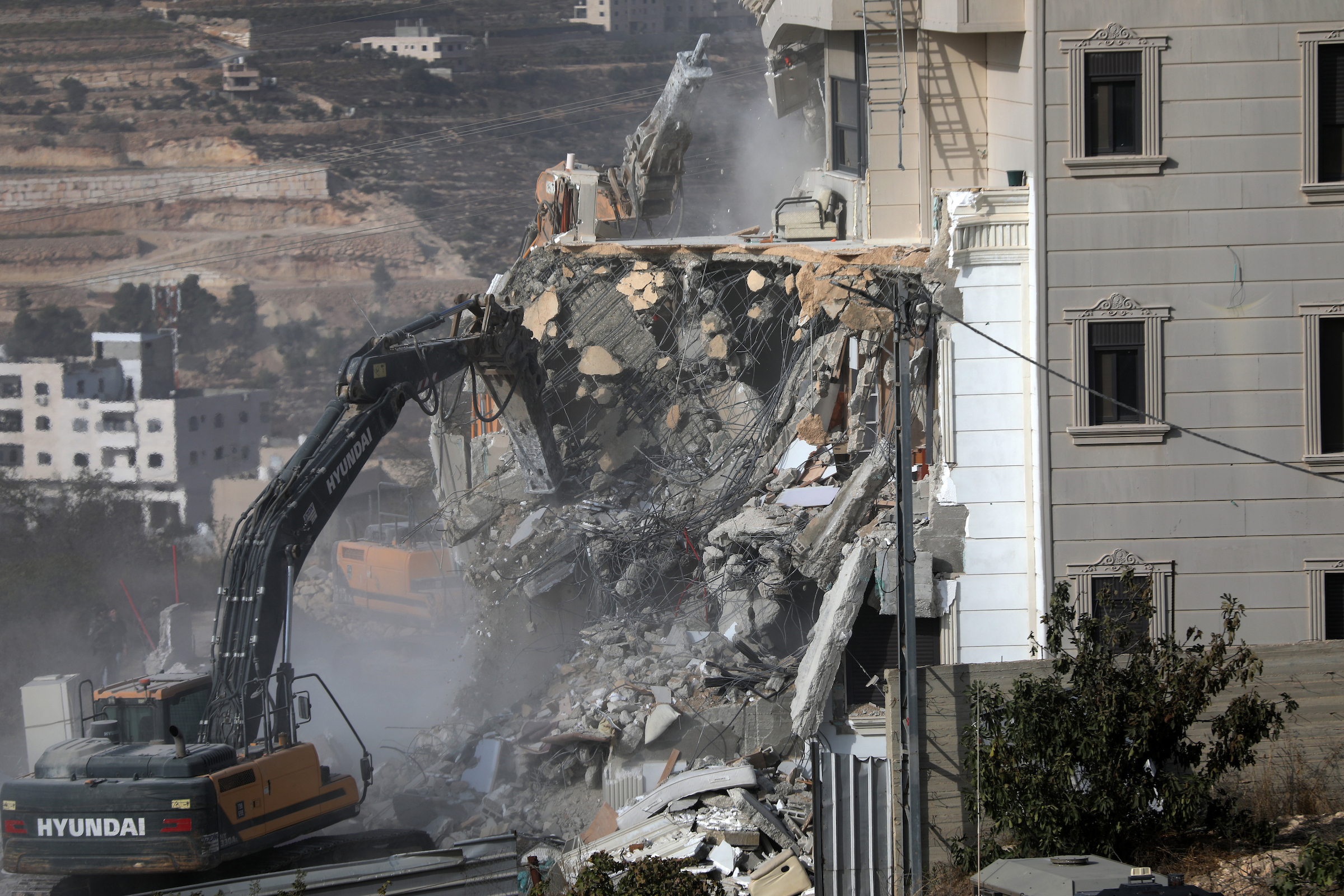
Families living in damaged homes and buildings faced additional risks due to the low-pressure system, particularly those forced to remain in them due to the lack of alternative accommodation or their inability to afford rent or relocate to safer areas. Heavy rainfall and strong winds raised serious concerns about the safety of these buildings, particularly those whose walls, ceilings, and pillars had already sustained damage from bombardment. Rainwater flooded the interiors of some buildings, soaking walls and ceilings and accumulating in rooms, while raising further concerns that existing cracks could widen and structural damage could worsen.
On Saturday, 7 November 2026, PCHR’s field researchers documented six incidents of buildings or parts of them collapsing across the Gaza Strip, highlighting the risks facing residents forced to live in damaged and unsafe buildings. In Beit Lahia, in the northern Gaza Strip, two Palestinians were reported injured after a wall of a building previously damaged by bombardment collapsed. In al-Nusseirat refugee camp in the central Gaza Strip, residents were evacuated from a building following a partial collapse. The incidents also included the collapse of the roof of the four-story al-Qadisiyah Building, located near the Sharia Court in the al-Rimal neighborhood of Gaza City; the collapse of the roof of a house in al-Bureij refugee camp; the partial collapse of a building on al-Shuhadaa’ Street; and the fall of parts of a residential building in al-Shati’ refugee camp in Gaza City.
These incidents highlight the risks to the lives of the population, particularly as many families have no alternative accommodation and are therefore forced to remain in buildings that sustained serious damage in previous Israeli attacks, without any assessment to verify their structural safety. These risks are further compounded by the absence of comprehensive engineering assessments of damaged buildings and the lack of adequate resources to reinforce buildings that can be repaired or evacuate those whose condition poses danger to their residents. In this context, the Civil Defense announced that more than 2,000 buildings across the Gaza Strip are at risk of collapse, underscoring the scale of the challenges facing the safety of buildings and the residents living in them.
In terms of living conditions, the low-pressure system placed additional burdens on displaced and affected families, who are already struggling with the loss of income sources and diminishing ability to afford their basic needs. Some families were forced to incur additional expenses to purchase nylon sheets, tarpaulins, ropes, and materials to secure their tents, while others suffered losses after water leakage damaged their blankets, bedding, clothing, and food supplies. These additional financial burdens come at a time when most families lack the financial means to replace what they have lost, further increasing their reliance on humanitarian assistance to meet their daily needs.
The storm’s repercussions exposed the limited capacity of Civil Defense, municipal authorities, and emergency response teams to cope with the scale of the damage and the resulting needs. This was due to damage to vehicles, equipment, and infrastructure, compounded by shortages of fuel and spare parts required to operate water suction pumps and clear drainage channels. According to figures released by the Civil Defense, it received 2,166 distress calls from people whose tents had been damaged or flooded. However, its teams were able to respond to only 218 of these calls, highlighting the significant gap between the scale of humanitarian needs and the resources available to address them.
PCHR calls on the international community to take immediate and effective action to compel Israel to halt its attacks on civilians in the Gaza Strip and ensure the protection of the civilian population, including displaced persons, children, women, older persons, and persons with disabilities.
PCHR calls for international pressure on the Israeli authorities to lift restrictions on the entry of humanitarian aid, essential supplies, and shelter materials, and to allow the immediate entry of tents, mobile homes, construction materials, heavy equipment and vehicles, spare parts, and fuel required for municipal authorities, Civil Defense, and emergency response teams to operate effectively. This is essential to enable them to respond to distress calls, address the repercussions of the low-pressure system, rescue residents trapped beneath collapsed buildings, assess the structural safety of damaged buildings, and reinforce those that can be repaired.
PCHR emphasizes the importance of providing displaced persons with safe and adequate shelter and ensuring that their basic needs, including food, water, healthcare, clothing, blankets, and heating, are met. Particular attention must be paid to those most vulnerable to these conditions, especially children, infants, older persons, and persons with disabilities.
PCHR emphasizes that the continued deprivation of the population of the Gaza Strip of the life essentials, and the ongoing exposure of hundreds of thousands of displaced Palestinians sheltering in tents unfit to withstand harsh weather conditions, despite repeated warnings about the impending storms and the risk of collapse of damaged buildings, constitute ongoing violations of their fundamental rights to life, adequate housing, health, and a dignified life. These violations require urgent international action to ensure the protection of civilians and hold those responsible for violations and crimes against them accountable.