As October marks a global month of awareness-raising campaigns on breast cancer, highlighting the importance of early detection in improving treatment outcomes and prospects for recovery, Palestinian women with breast cancer in the Gaza Strip face an exceptionally devastating reality. Their suffering extends far beyond limited awareness or restricted access to early detection programmes as they face severe barriers to screening and diagnostic services, undergoing biopsies, and essential tests, as well as to chemotherapy, radiotherapy and surgical treatment. They are also unable to secure continuity of care and regular medical follow-up amid the ongoing collapse of the healthcare system.
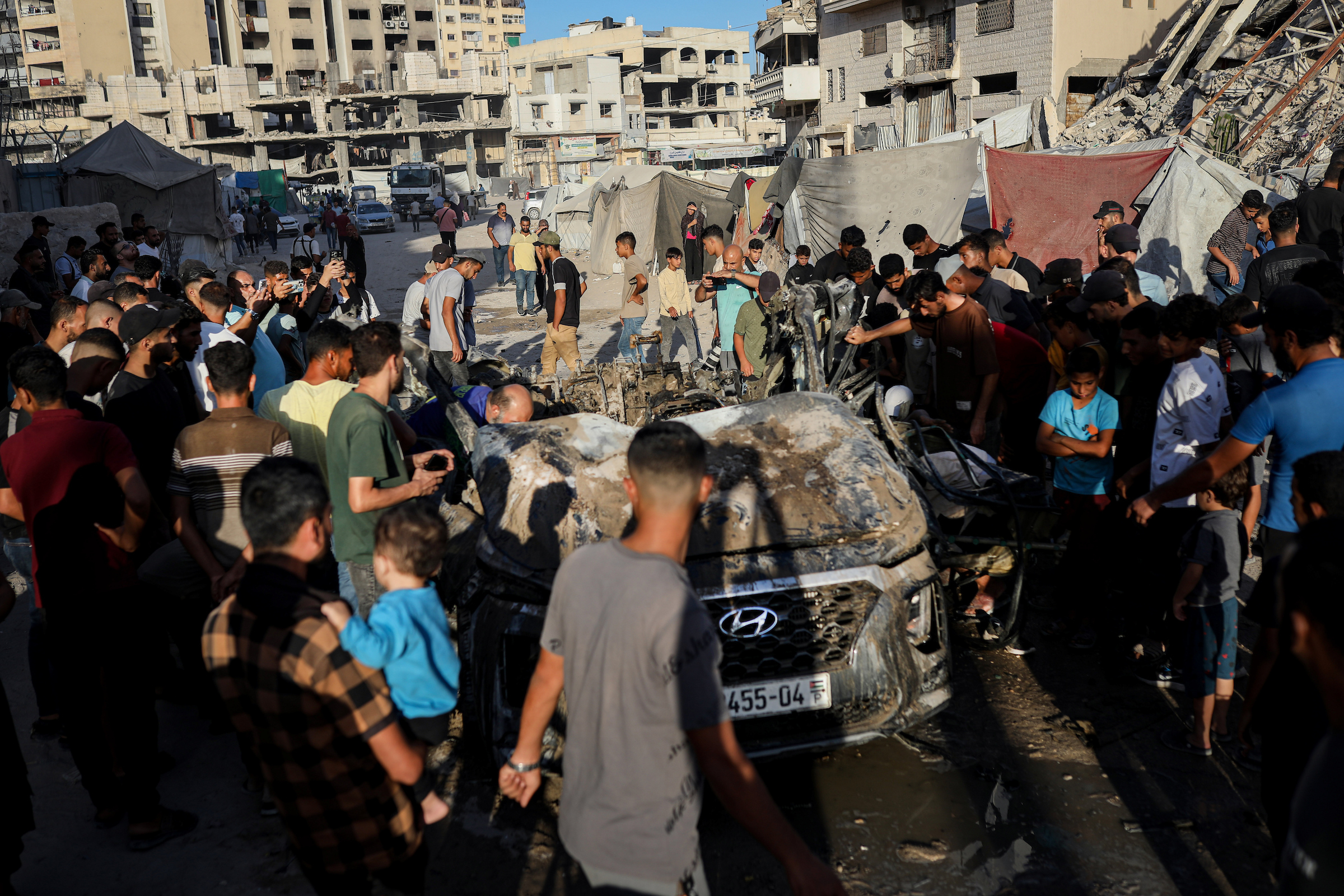
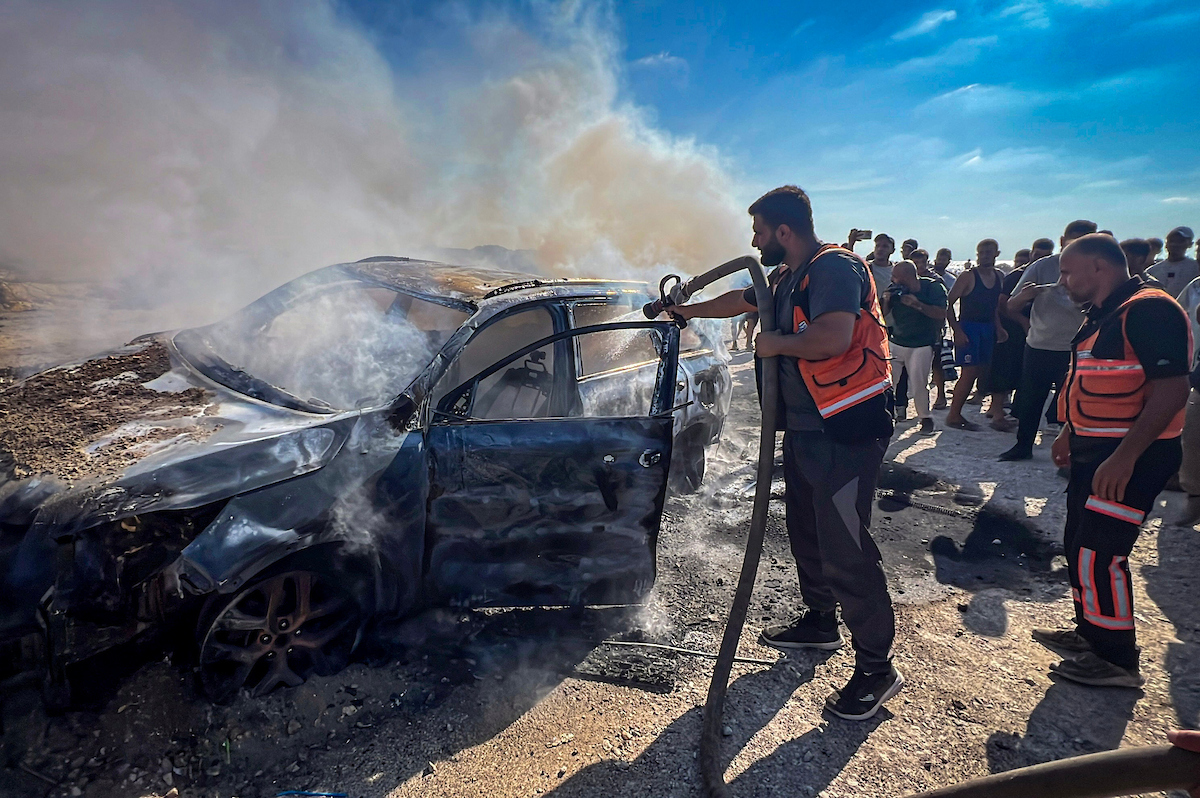
As the genocide committed by Israeli Occupation Forces (IOF) in the Gaza Strip enters its third year, breast cancer patients face growing risks to their rights to health, life and human dignity. The destruction of health facilities and their forced closure, attacks on healthcare professionals, and restrictions on the entry of medicines, medical equipment and supplies have severely undermined the healthcare sector’s capacity to diagnose and treat diseases and provide patients with essential follow-up care.
The suffering of breast cancer patients extends far beyond access to medical services and is compounded by the catastrophic humanitarian conditions resulting from the ongoing genocide. These include repeated displacement, the loss of homes and sources of income, expensive transportation costs, shortages of food and water, and the destruction of healthcare infrastructure. Taken together, these conditions contribute to delays in diagnosis and the initiation of treatment, as well as interruptions in treatment, increasing the risk of disease progression and complications while diminishing patients’ positive response to treatment and recovery.
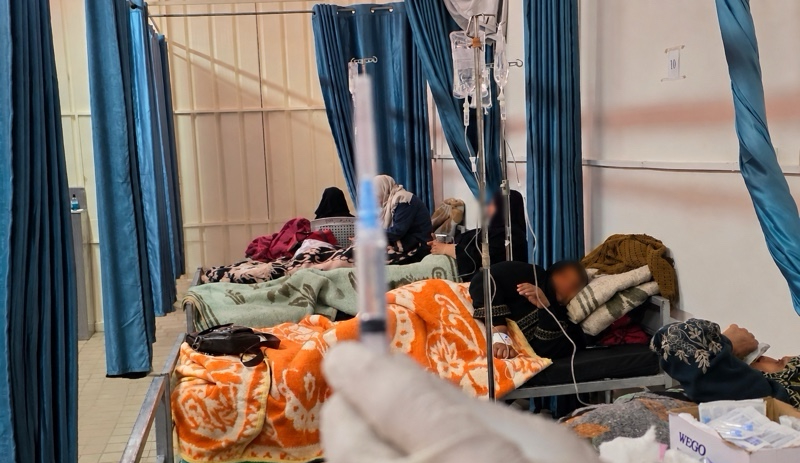
According to testimonies collected by field researchers from the Palestinian Centre for Human Rights (PCHR), ongoing restrictions on the entry of medicines, medical equipment and supplies, coupled with the severe damage inflicted on the healthcare system, have drastically undermined the capacity of the remaining health facilities to provide cancer diagnostic and treatment services. Breast cancer patients are forced to navigate an exhausting and uncertain journey to access treatment, beginning with difficulties in obtaining the necessary tests and often ending in delays or interruptions in treatment.
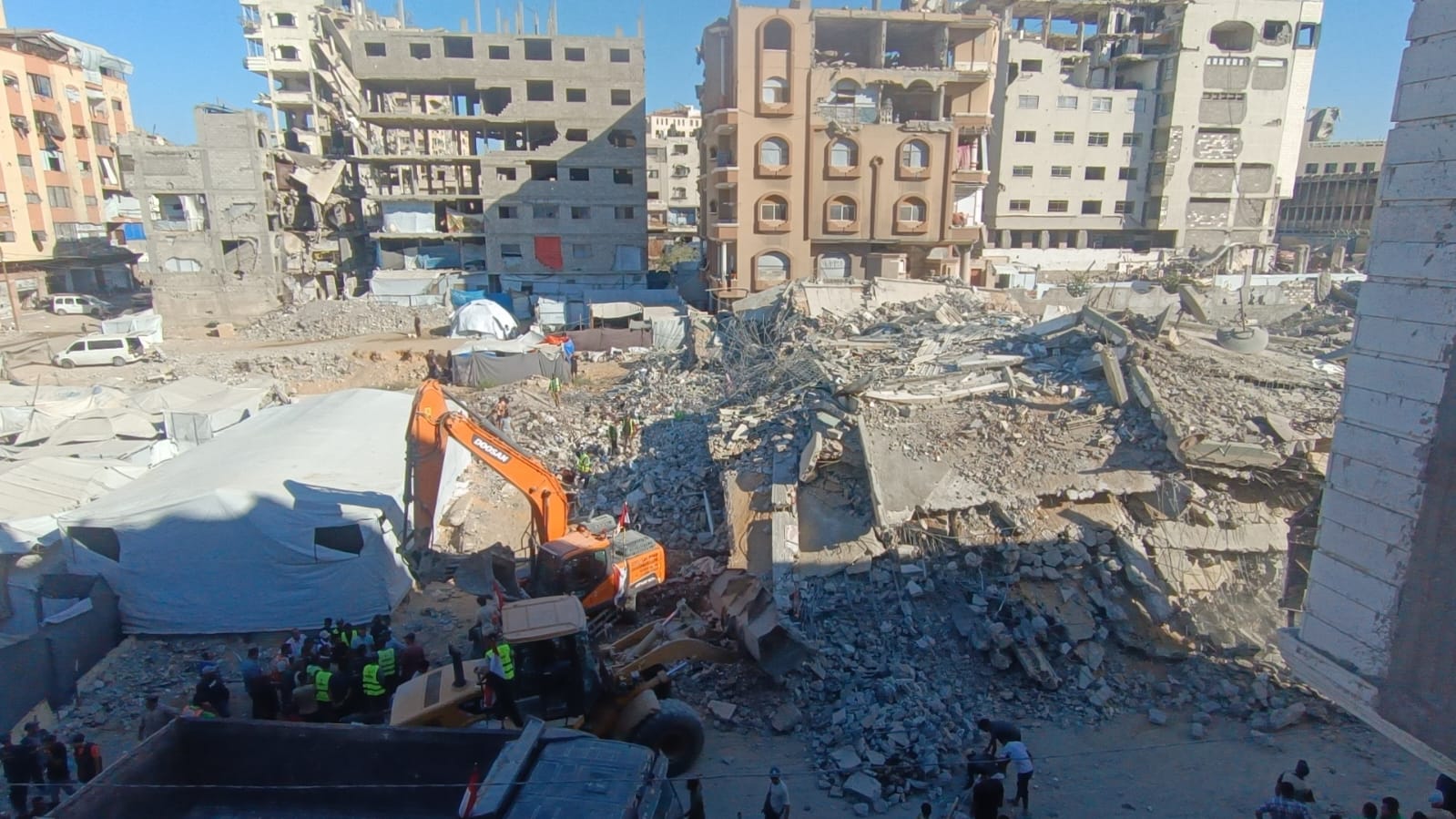
As part of the attacks on healthcare infrastructure, cancer treatment centers have been deliberately destroyed or rendered inoperable, depriving thousands of cancer patients of diagnostic and specialised care services.1 More broadly, only 33 of the 55 hospitals and field hospitals in the Gaza Strip remain operational, while 22 have been forced out of service. Similarly, only 129 of 229 primary healthcare facilities remain operational, leaving 100 out of service. The facilities that remain operational face major challenges as IOF continue to obstruct their rehabilitation and impose further restrictions on the entry of essential operational supplies, including fuel, engine oil and medical equipment.2 Their operations have been reduced to providing only limited services, often for sporadic hours and through emergency measures and arrangements that cannot ensure the continuous provision of healthcare.3
Dr Mohammed Abu Nada, Director of the Gaza Cancer Centre run by the Ministry of Health in Gaza,4 told a PCHR field researcher that cancer treatment services were available before the war at several healthcare facilities, including Nasser Medical Complex, al-Shifa Medical Complex, the European Hospital and the Turkish-Palestinian Friendship Hospital. However, attacks on the healthcare system and the forced closure of some of these facilities have severely restricted access to cancer diagnosis and treatment. Abu Nada stressed the critical importance of early detection of breast cancer, explaining that delays in diagnosis or treatment may allow the disease to spread to the lymph nodes and subsequently to other organs. This, he said, makes treatment more difficult and reduces the prospects for recovery. He added that the diagnostic process for a cancer case takes approximately four to five weeks, including the time required to obtain a tissue sample and conduct the necessary tests. According to Abu Nada, breast cancer accounts for approximately 33 per cent of cancer cases among women in the Gaza Strip, while around 200 new cancer cases are registered each month across all types of cancer. He also noted that breast cancer is particularly prevalent among women aged between 25 and 50.
Yasser al-Ya‘qoubi, Head of the Medical Screening Unit at the Ministry of Health in Gaza,5 told a PCHR field researcher that damage inflicted on the healthcare system since 7 October 2023 has rendered approximately 78 per cent of X-ray and medical imaging equipment inoperable. Of the 14 mammography machines available before the war, only five remain operational. The healthcare sector also faces a severe shortage of ultrasound machines. Taken together, these shortages in diagnostic equipment pose a direct threat to breast cancer patients, limiting their ability to undergo early detection, confirm diagnoses, determine the stage of the disease, monitor their response to treatment, and select appropriate treatment protocols. The crisis is further exacerbated by the shortage of specialised medical personnel qualified to analyze cancer tissue samples, amid attacks targeting healthcare workers. Due to the limited availability of diagnostic imaging services, only 400 ultrasound examinations have been conducted at al-Shifa Medical Complex and 1,800 mammograms at Nasser Medical Complex. These figures reflect the enormous pressure on medical imaging and diagnostic services and their severely limited capacity to meet the growing needs of women with, or at risk of developing, breast cancer in the Gaza Strip.
According to PCHR’s monitoring, the healthcare system continues to face severe shortages of medicines, medical consumables and laboratory supplies, directly limiting its capacity to diagnose and treat patients. On 7 May 2026, the Ministry of Health announced that stocks of approximately 47 per cent of essential medicines, 59 per cent of medical consumables, and 87 per cent of laboratory testing supplies had been depleted. During the first half of the year, the Ministry’s laboratories were able to conduct only 38 per cent of the average number of tests performed during the pre-war period.6 As a result, patients may reach a healthcare facility only to find that the test required to confirm a diagnosis is unavailable, the medicine needed to initiate treatment is out of stock, or the medical supplies necessary to carry out a procedure are unavailable.
Cancer patients are among those most severely affected by this situation. Approximately 11,000 patients at different stages of the disease face a healthcare system without radiotherapy services, while the shortage of cancer medicines has reached 61 per cent, disrupting some treatment protocols or forcing the use of less appropriate alternatives. Delays in, or missed, treatment doses are not merely administrative setbacks; they can contribute to disease progression and reduce the likelihood of a response to treatment. In many cases, doctors are also forced to modify treatment protocols that were initially selected based on the type and stage of the tumor. The shortage of supportive and anti-infective medicines further increases the risk of complications among patients whose immune systems have been weakened by chemotherapy, with some complications becoming life-threatening. According to statistics obtained by PCHR from the Palestinian Ministry of Health,7 breast cancer accounts for approximately 18 per cent of all registered cancer cases and around 33 per cent of cancer cases among women. These statistics indicate that approximately 13 per cent of breast cancer cases ultimately result in death.
Israel continues to prevent around 4,000 cancer patients from travelling outside the Gaza Strip to access treatment.8 Since the beginning of its military offensive in October 2023, Israel has suspended the issuance of treatment permits for patients from Gaza, denying them access to hospitals in the West Bank and occupied East Jerusalem. Before the war, these hospitals received between 10,000 and 14,000 patients from Gaza each year for medical treatment.
A. F., a 32-year-old breast cancer patient, described to PCHR the harsh reality facing women with cancer in the Gaza Strip. She said: “My struggle with the disease began a few days before 7 October 2023. At the time, I was trying to undergo a breast ultrasound, but the war began and everything was put on hold. Amid the repeated displacement I experienced, I was unable to follow up on the necessary tests or resume the diagnostic process. As time passed, my condition worsened. On 1 March 2025, because the needles needed to perform a biopsy were unavailable at government hospitals in Deir al-Balah, I had to undergo the biopsy at a private facility for analysis. At the end of the same month, I was informed that I had stage II breast cancer and that the disease had spread to my lymph nodes, although the tumor was no more than three centimeters in size. On 12 April 2025, I began my first chemotherapy session to reduce the size of the tumor in preparation for surgery. However, my treatment was suspended after the European Hospital was forced out of service. Since then, I have been living in a state of waiting and uncertainty, not knowing when I would be able to resume treatment or access the medical care I need. My suffering was not limited to the disease and its treatment. At the time, I was also facing extremely harsh humanitarian conditions. I experienced severe physical symptoms as a result of the treatment, compounded by starvation, forced displacement and shortages of water. I also struggled to move from one place to another using makeshift means of transportation, amid conditions that made it impossible for me to receive treatment regularly. Because radiotherapy was unavailable in Gaza, which I needed in order to undergo breast-conserving surgery, I had no choice but to undergo surgery in December 2025. The operation lasted three hours. All my left breast was removed, along with the affected lymph nodes, and a non-cancerous tumor was also removed from my right breast. Despite everything I have been through, my journey with this disease has not yet ended. I still need further medical follow-up and treatment, while living in a constant state of anxiety about my ability to access the care I need and resume my treatment amid the difficult circumstances ravaging the Gaza Strip.”
This patient’s experience is not an isolated case; rather, it reflects one aspect of the reality facing thousands of women with cancer across the Gaza Strip. Access to diagnosis and treatment has become reliant on the availability of severely limited and overstretched health services, the ability to move and reach medical facilities, and patients’ capacity to cover the costs of treatment and transportation.
Breast cancer patients do not face the disease in isolation from the catastrophic humanitarian conditions inflicted by the war. Rather, their suffering is compounded by repeated displacement, the loss of homes and sources of income, shortages of food and water, lack of privacy, and high transportation costs. These burdens are particularly acute for women who also bear responsibility for providing for their families and caring for their children or other family members.
Chemotherapy and other cancer treatments require specific nutritional and healthcare needs, at a time when people in the Gaza Strip are facing acute food insecurity, severe water shortages and a profound deterioration in living conditions. Amid these circumstances, some women with cancer are forced to make painful choices between securing food for their families and affording the costs of accessing the medical care they need.
PCHR emphasizes that the deprivation of medicines and essential treatment for breast cancer patients in the Gaza Strip, the disruption of diagnostic, treatment and medical follow-up services, and the obstruction of their access to treatment outside the Gaza Strip when such treatment is unavailable locally constitute grave violations of their rights under international humanitarian law and international human rights law.
This reality constitutes a violation of Article 12 of the 1966 International Covenant on Economic, Social and Cultural Rights (ICESCR), which recognizes the right of everyone to the enjoyment of the highest attainable standard of physical and mental health and requires States to take the necessary steps for the prevention and treatment of diseases and ensuring access to healthcare services without discrimination. This includes the right of breast cancer patients to early diagnosis, treatment and continuous medical follow-up.
The continued denial of medical care to breast cancer patients also breaches the obligations binding to the Occupying Power under Articles 55 and 56 of the 1949 Fourth Geneva Convention, particularly those relating to ensuring provision of medical supplies to the population, maintaining medical and hospital establishments and services, and taking the necessary measures to ensure public health and medical care. This is of particular significance for cancer patients, as interruptions or delays in treatment may lead to disease progression and reduce the likelihood of a positive response to treatment, thereby threatening their rights to health and life.
PCHR further considers that the continued deprivation of breast cancer patients of treatment and the infliction of health and living conditions to the population that undermine prospects for survival and recovery fall within the acts prohibited under Article II of the 1948 Genocide Convention, particularly the act of “deliberately inflicting on the group conditions of life calculated to bring about its physical destruction in whole or in part.”
In light of the above, PCHR calls on the international community, particularly the High Contracting Parties to the Geneva Conventions, to exert pressure on Israel, the Occupying Power, to fulfil its obligations under international law and ensure the entry of medicines, medical supplies and equipment necessary for healthcare into the Gaza Strip, particularly those required for the diagnosis and treatment of breast cancer, ensuring the continuity of diagnostic services, chemotherapy, radiotherapy, surgical treatment and medical follow-up. PCHR also calls for facilitating and expediting the medical evacuation of patients whose treatment is unavailable in the Gaza Strip; rehabilitating hospitals, specialized centers and diagnostic departments; facilitating the entry of specialized medical teams; and ensuring that women with breast cancer have access to early detection, diagnosis and treatment services.