The Palestinian Centre for Human Rights (PCHR) warns of the accelerating collapse of the medical oxygen production and filling system in the Gaza Strip, emphasizing that this crisis is a direct extension of the systematic collapse of the healthcare system since the onset of Israel’s military offensive on 7 October 2023. This collapse has resulted from the extensive destruction of medical facilities, the disruption of their operational capacity, the depletion and overuse of medical equipment, severe shortages of medicines and medical supplies, and restrictions on the entry of equipment, spare parts, and materials necessary to restore and repair health facilities.
PCHR emphasizes that the Israeli authorities’ continued ban on the entry of new oxygen stations, as well as spare parts necessary for preventive maintenance and emergency repairs of existing stations, is exacerbating imminent threats to the lives of patients, the injured, and civilians and risks the suspension of essential medical and life-saving services, particularly amid growing medical needs and the declining operational capacity of health facilities. PCHR stresses that preserving the medical oxygen production and filling system and restoring its production and technical capacities require urgent and effective intervention to ensure the entry of the equipment, spare parts, and materials necessary for its operation, and to enable technical teams to carry out repairs and maintenance. Such measures are essential to ensure the continuity of medical oxygen services and safeguard the rights to life, health, and medical treatment of patients and the civilian population as a whole in the Gaza Strip.
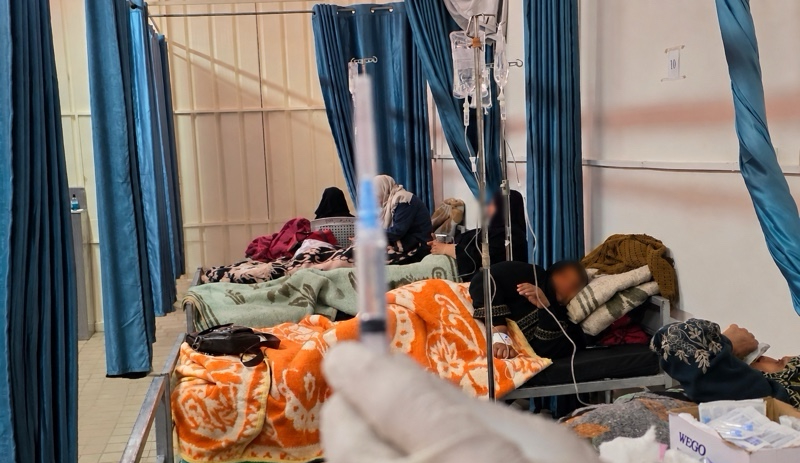
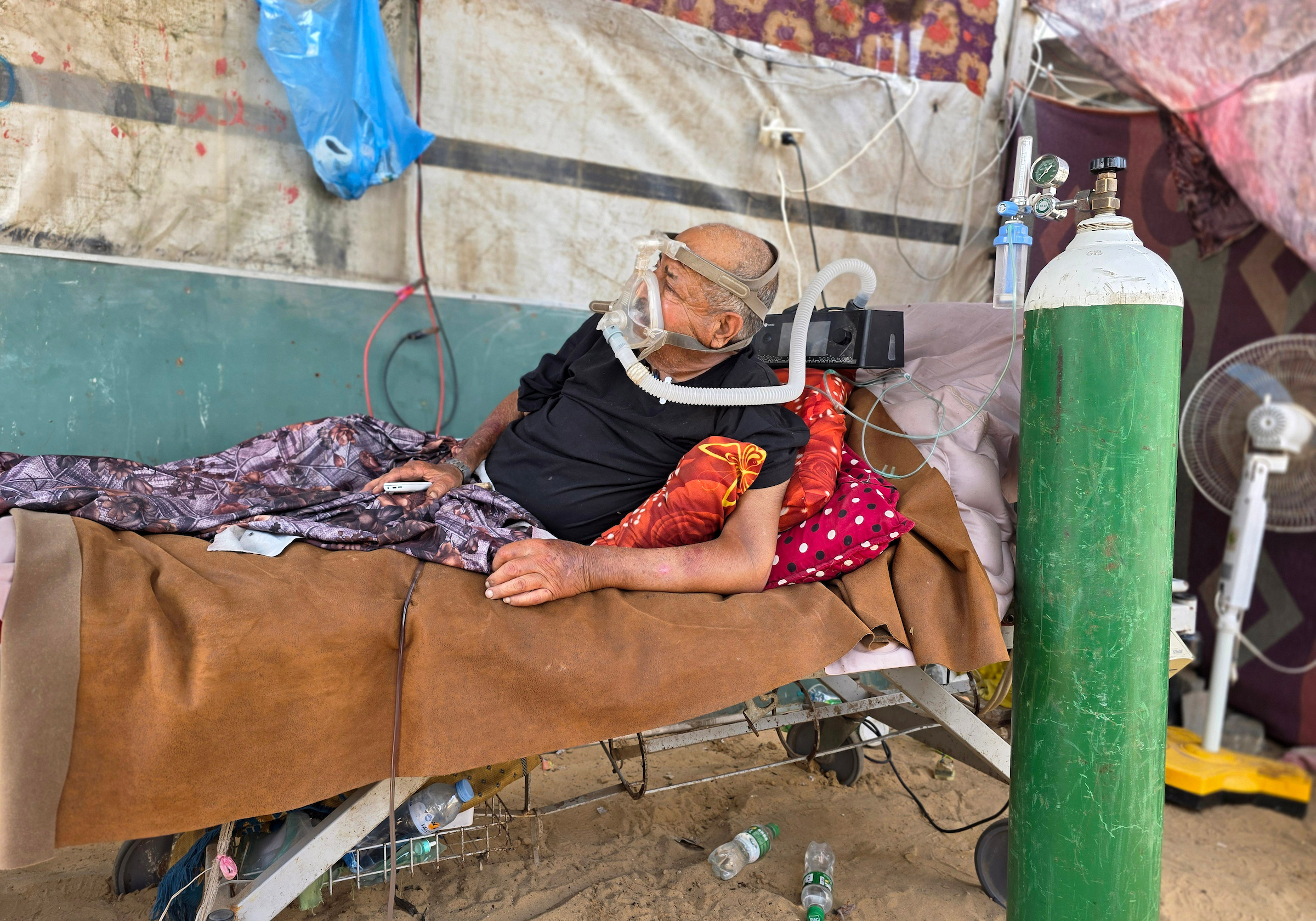
Engineer Mazen al-‘Arayshi,1 Director of Engineering and Maintenance at the Ministry of Health, told PCHR’s field researcher that only 12 of the 34 oxygen generation stations currently remain operational, while 22 are out of service. The remaining stations are operating beyond their designed capacity under extremely challenging technical conditions, amid recurring mechanical and technical breakdowns and a declining capacity to carry out repairs. He explained that the oxygen cylinder filling system is facing a similar crisis, with only four of the 30 devices designated for cylinder filling currently operational. This has left the health sector’s capacity to produce, fill, and distribute medical oxygen at risk of collapse at any moment. Al-‘Arayshi added that oxygen is a vital component of many life-saving healthcare services, as intensive care units, pediatric and neonatal units, operating rooms, emergency departments, and other medical departments rely on oxygen supplies to varying degrees. A number of patients receiving treatment at home also depend on oxygen continuously and as an essential part of their care. Al-‘Arayshi warned that the shutdown of any of the remaining stations or a further decline in their production and filling capacities could lead to the suspension of essential medical services, limit hospitals’ capacity to perform surgeries and provide care to critical patients and expose the lives of patients who depend on oxygen to an immediate and serious threat.
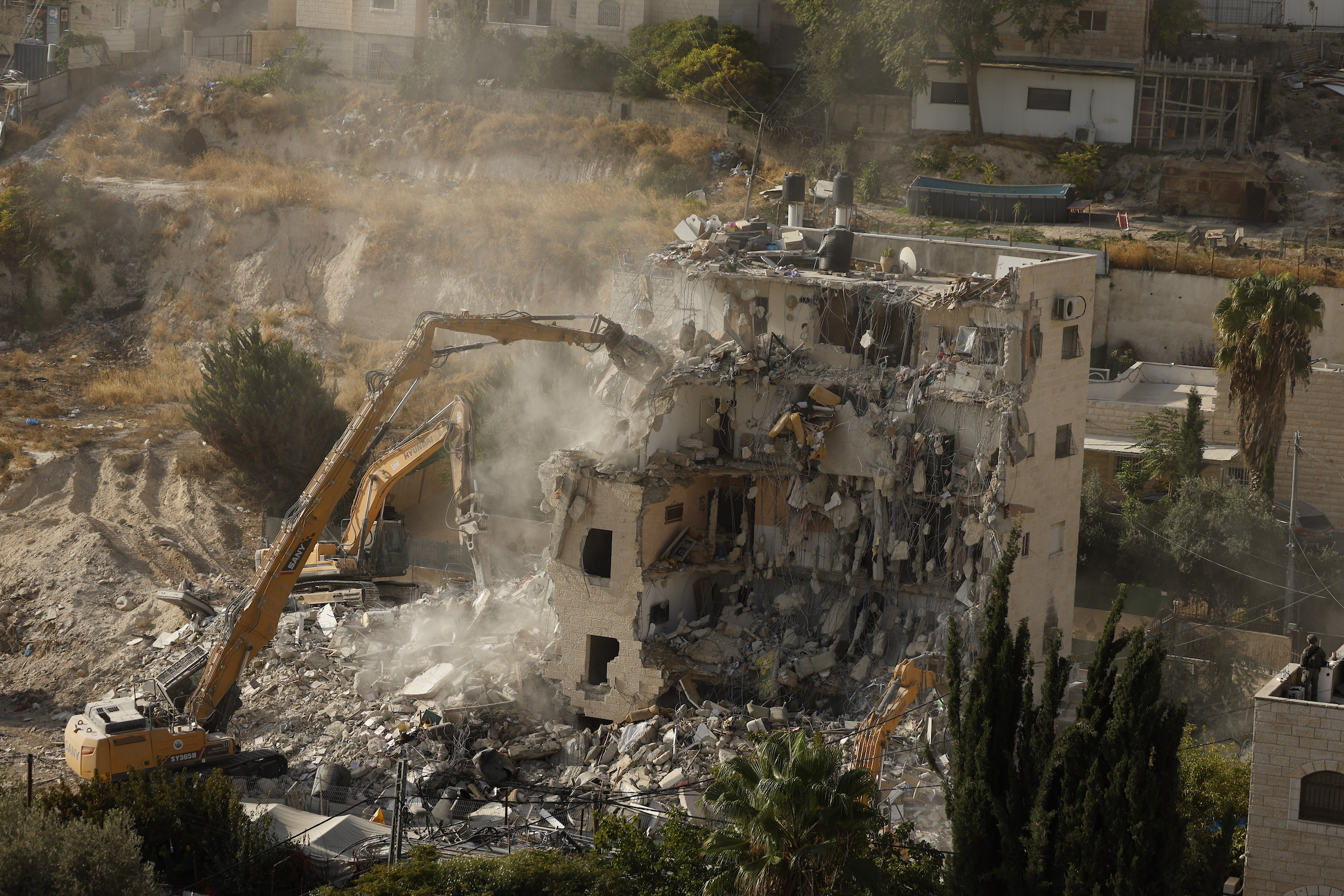
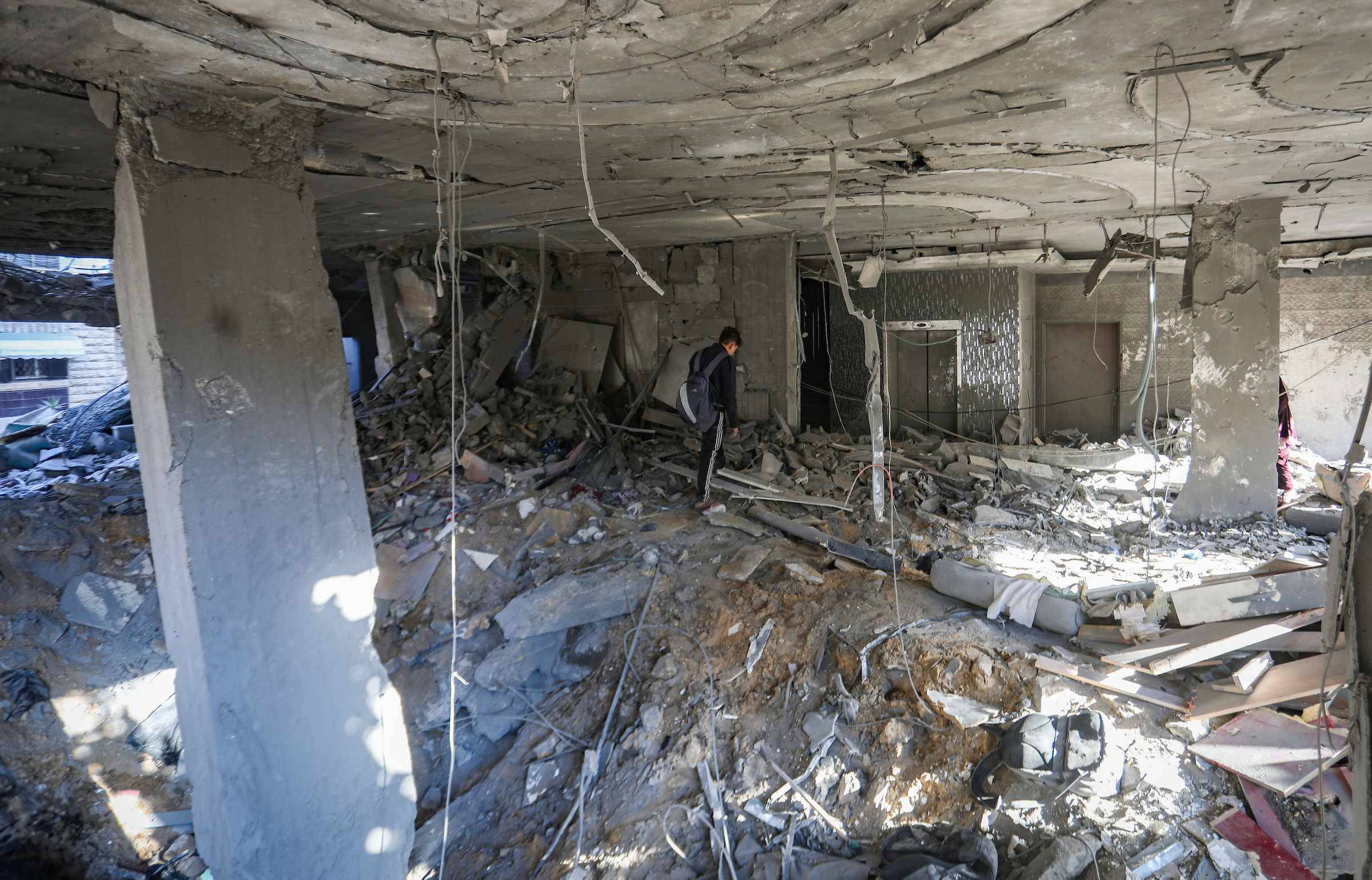
Viewing the current oxygen crisis in isolation from its broader context leads to obscuring its true nature. Since 7 October 2023, Gaza’s healthcare system has been subjected to extensive and sustained destruction affecting hospitals, healthcare centers, ambulances, medical equipment, and vital infrastructure, resulting in a severe deterioration in the health system’s capacity to provide essential services. Recent international data underscores the continued collapse of the healthcare system. According to the World Health Organization (WHO), 34 of the 36 hospitals in the Gaza Strip have sustained damage (94%), while only 18 hospitals remain partially operational (50%).2
In this context, the 22 oxygen stations that have gone out of service cannot be viewed separately from the extensive destruction of Gaza’s healthcare infrastructure. The problem lies not only in the number of stations that have been destroyed or rendered inoperable, but also in the destruction of the institutional and technical capacity to repair and maintain what remains. When equipment breaks down and the spare parts and devices necessary for repairs are unavailable, the healthcare system becomes unable to maintain even the minimum level of its operational capacity. The crisis facing oxygen cylinder filling devices illustrates this reality clearly: only four of the 30 devices remain operational, while engineering teams are unable to carry out emergency repairs due to shortages of the necessary equipment and spare parts. Thus, the danger facing patients in Gaza is not limited to the destruction of healthcare facilities; it extends to the continued erosion of the capacity to operate and sustain what remains, turning the collapse of the healthcare system into an ongoing process whose effects accumulate over time.
PCHR emphasizes that the shortage of medical oxygen in the Gaza Strip, the disruption of oxygen generation stations and cylinder-filling devices, and the Israeli restrictions on the entry of spare parts and equipment necessary for their repair constitute grave violations of obligations under international humanitarian law and international human rights law. Oxygen is indispensable to the functioning of intensive care units, pediatric and neonatal units, operating rooms, emergency departments, and other medical services, while patients receiving treatment at home also rely on a continuous supply of oxygen as an essential part of their care.
According to Articles 55 and 56 of the 1949 Fourth Geneva Convention, the Occupying Power has the duty to ensure the medical supplies of the population and to ensure and maintain medical and hospital establishments and services, to the fullest extent of the means available to it. Furthermore, wilfully causing great suffering or serious injury to body or health constitutes a grave breach under Article 147 of the Convention.
The deprivation of medical oxygen and life-saving medical treatment, particularly when accompanied by the destruction of healthcare facilities and obstruction of access to medicines, medical supplies, and equipment, may constitute the deliberate infliction of conditions of life calculated to bring about the physical destruction of the group, in whole or in part, as set out in Article II(c) of the 1948 Genocide Convention.
Furthermore, depending on the elements and available evidence in each case, certain acts involving the deliberate deprivation of medical treatment and services may amount to war crimes or crimes against humanity under the Rome Statute, particularly where they wilfully cause great suffering or serious injury to body or health, or result in preventable deaths, provided that the requisite legal elements of the respective crimes are met.
These practices also constitute violations of the right to health enshrined in Article 12 of the International Covenant on Economic, Social and Cultural Rights and the right to life protected under Article 6 of the International Covenant on Civil and Political Rights. The right to health includes the availability and effective accessibility of essential healthcare facilities, goods, and services without discrimination, while the right to life entails an obligation to protect individuals from foreseeable and preventable risks to their lives.
Leaving the medical oxygen system on the verge of collapse effectively exposes patients to the risk of preventable death and amounts to depriving the population of means indispensable for the maintenance of life. Accordingly, ensuring the entry of medical oxygen, oxygen generation stations, cylinder-filling devices, spare parts, and technical equipment, as well as restoring the operation of health facilities and enabling their maintenance, is not merely an urgent humanitarian response; it is also a legal and practical necessity to protect the rights to life and health and to ensure the provision of medical treatment and healthcare to injured persons, patients, and civilians.
In light of the above, PCHR calls on the international community and States Parties to the Genocide Convention to take immediate and effective measures to fulfill their legal obligations and ensure compliance with the provisional measures ordered by the International Court of Justice (ICJ). PCHR calls on Israel, as the occupying power, to immediately cease all measures that obstruct the functioning of the healthcare system; ensure the urgent and sustained entry of medical oxygen, oxygen generation stations, cylinder-filling devices, spare parts, and technical and medical equipment; and rehabilitate and restore the operation of oxygen production facilities. PCHR further calls for the protection of hospitals, patients, and health personnel in accordance with international law; independent investigations into the destruction of the healthcare system and restrictions imposed on its rehabilitation; accountability for those responsible for grave violations; and an end to impunity.