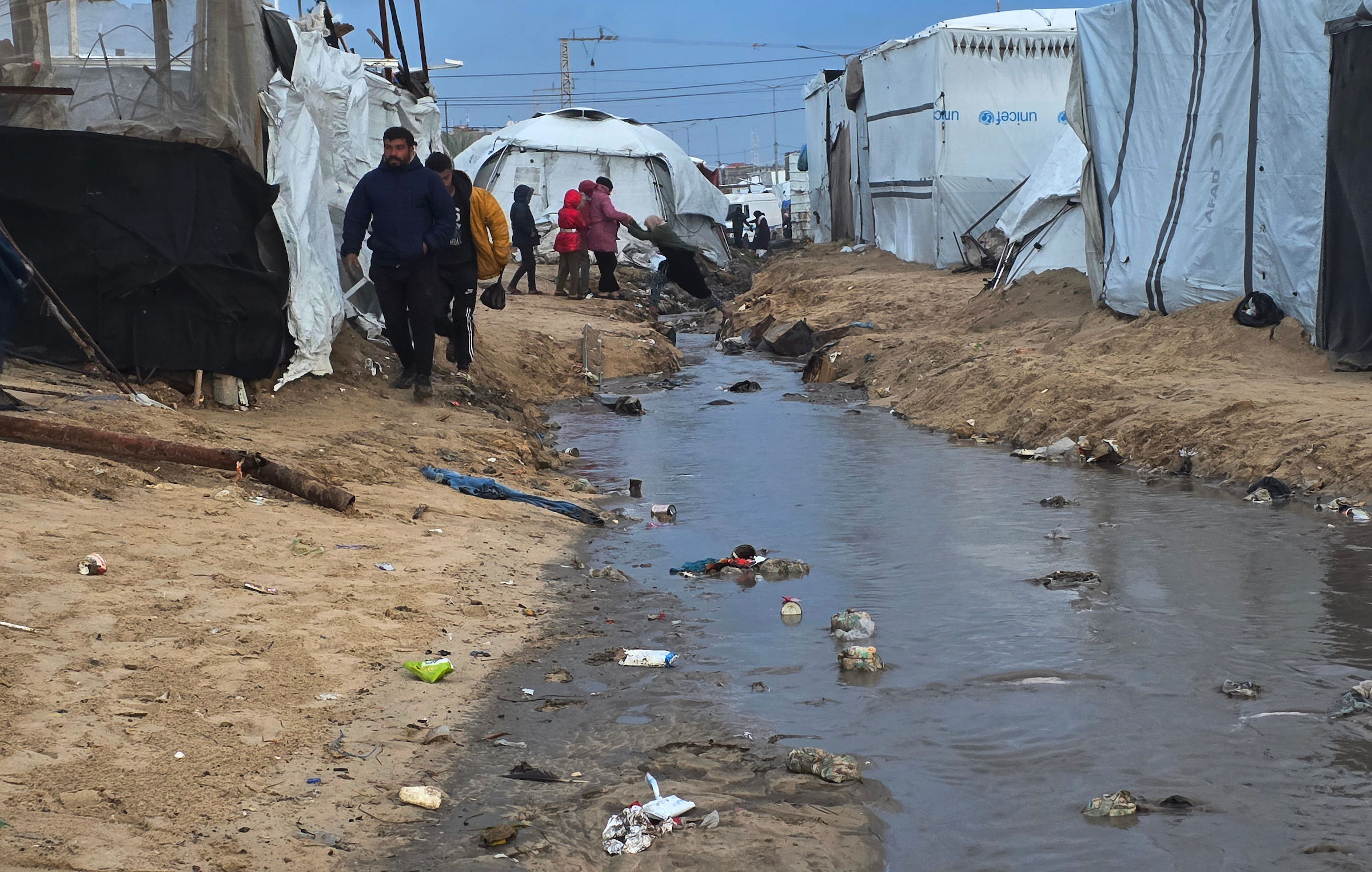
Thousands of patients in the Gaza Strip are facing a real and imminent risk of death as they continue to be denied access to travel abroad for lifesaving medical treatment. By preventing their access to essential healthcare, Israel is subjecting them to conditions of life that threaten their physical survival, constituting one of the acts associated with the crime of genocide perpetrated against the Palestinian civilian population for more than two and a half years.
This situation coincides with the near-total collapse of Gaza’s healthcare system and the inability of the few remaining hospitals to provide the specialized medical care required by these patients. Their suffering continues to intensify as their health conditions progressively deteriorate, placing them at heightened risk of death as a result of the denial of access to adequate healthcare, a right guaranteed under international humanitarian law and international human rights law.
The Palestinian Centre for Human Rights (PCHR) continues to monitor the conditions of thousands of patients in the Gaza Strip and affirms that depriving them of access to lifesaving medical treatment cannot be viewed in isolation from the broader context of the systematic destruction of the means of survival in the Gaza Strip. When patients are denied access to specialized medical treatment, hospitals are destroyed, medical supplies are obstructed, and patients are left to face a slow and foreseeable death despite prior knowledge of the consequences, such practices underscore Israel’s intent to inflict upon the Palestinian population conditions of life that threaten its physical survival. Such conduct is prohibited under Article 2 of the Convention on the Prevention and Punishment of the Crime of Genocide, which provides that “deliberately inflicting on a group conditions of life calculated to bring about its physical destruction in whole or in part” constitutes one of the underlying acts of the crime of genocide.
Engineer Zaher al-Wheidi, Director of the Information Unit at the Ministry of Health, told PCHR’s researcher that 20,863 patients with serious diseases are in urgent need of travel abroad for treatment, including 5,342 children under the age of 18. Among these patients, 2,194 are suffering from critically severe conditions and require immediate medical evacuation, while 189 patients are facing death suffering critical conditions. Al-Wheidi added that the number of patients permitted to travel since the reopening of the Rafah Crossing on 1 February has been very few compared to the large number awaiting medical evacuation. He noted that only 1,242 patients were allowed to travel during this period, while a further 241 patients were permitted to leave via the Kerem Shalom Crossing. This represents only 7.1% of the total number of patients awaiting medical evacuation.1
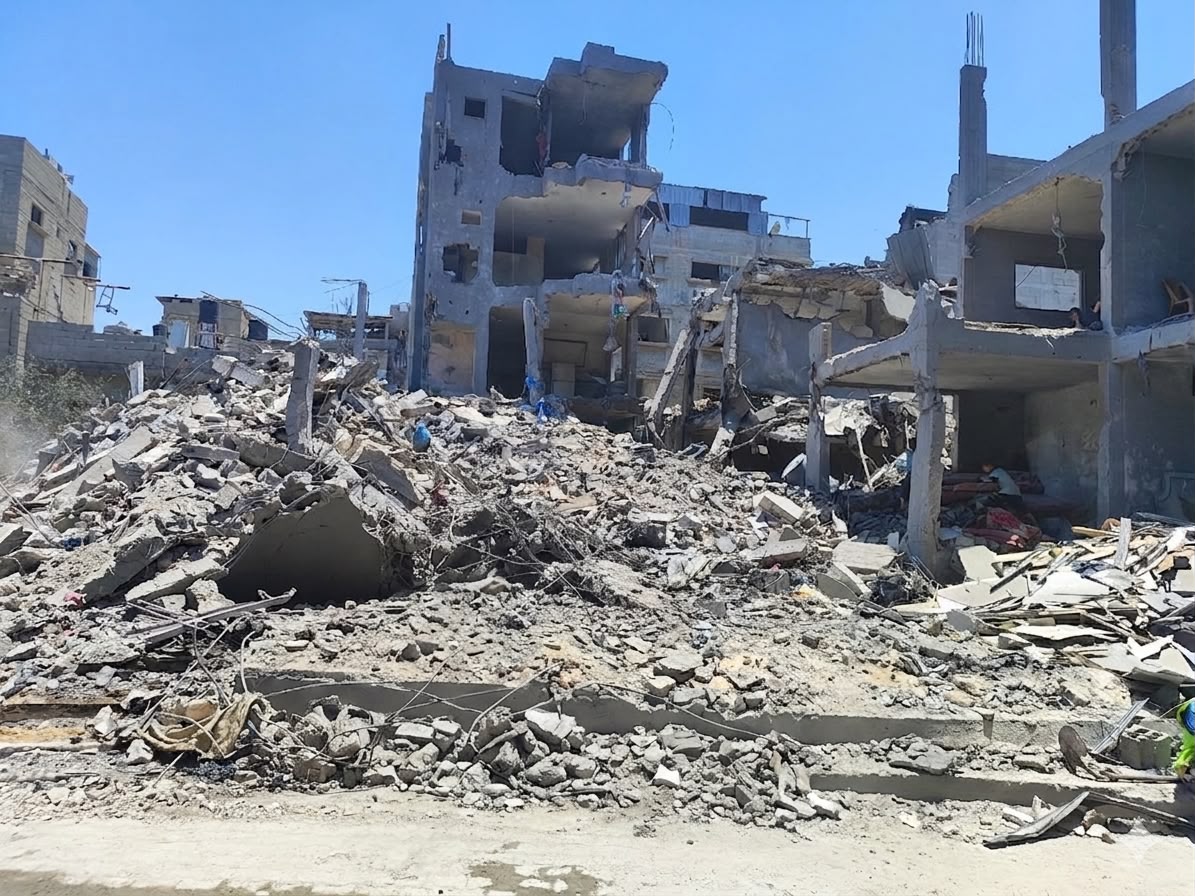
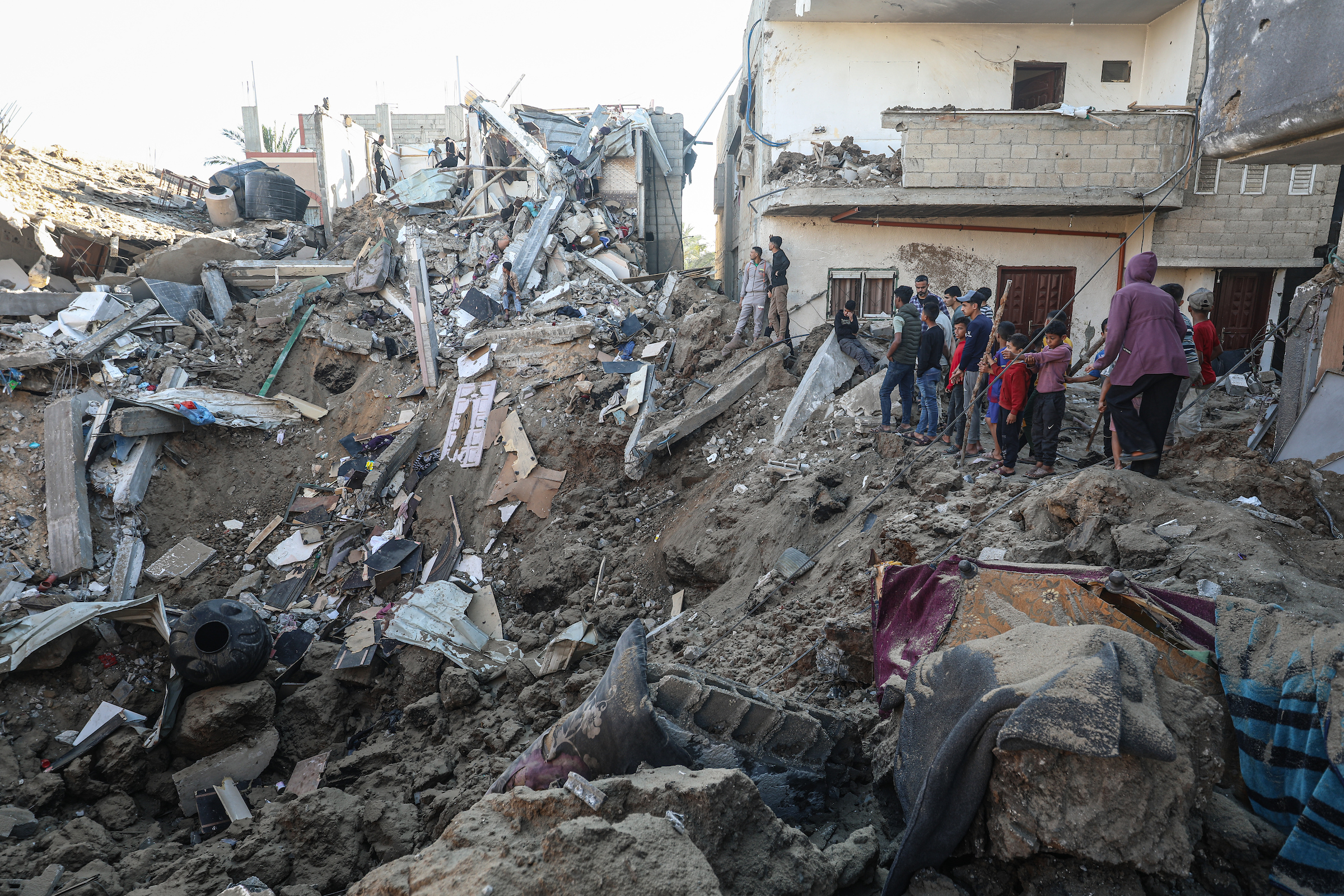
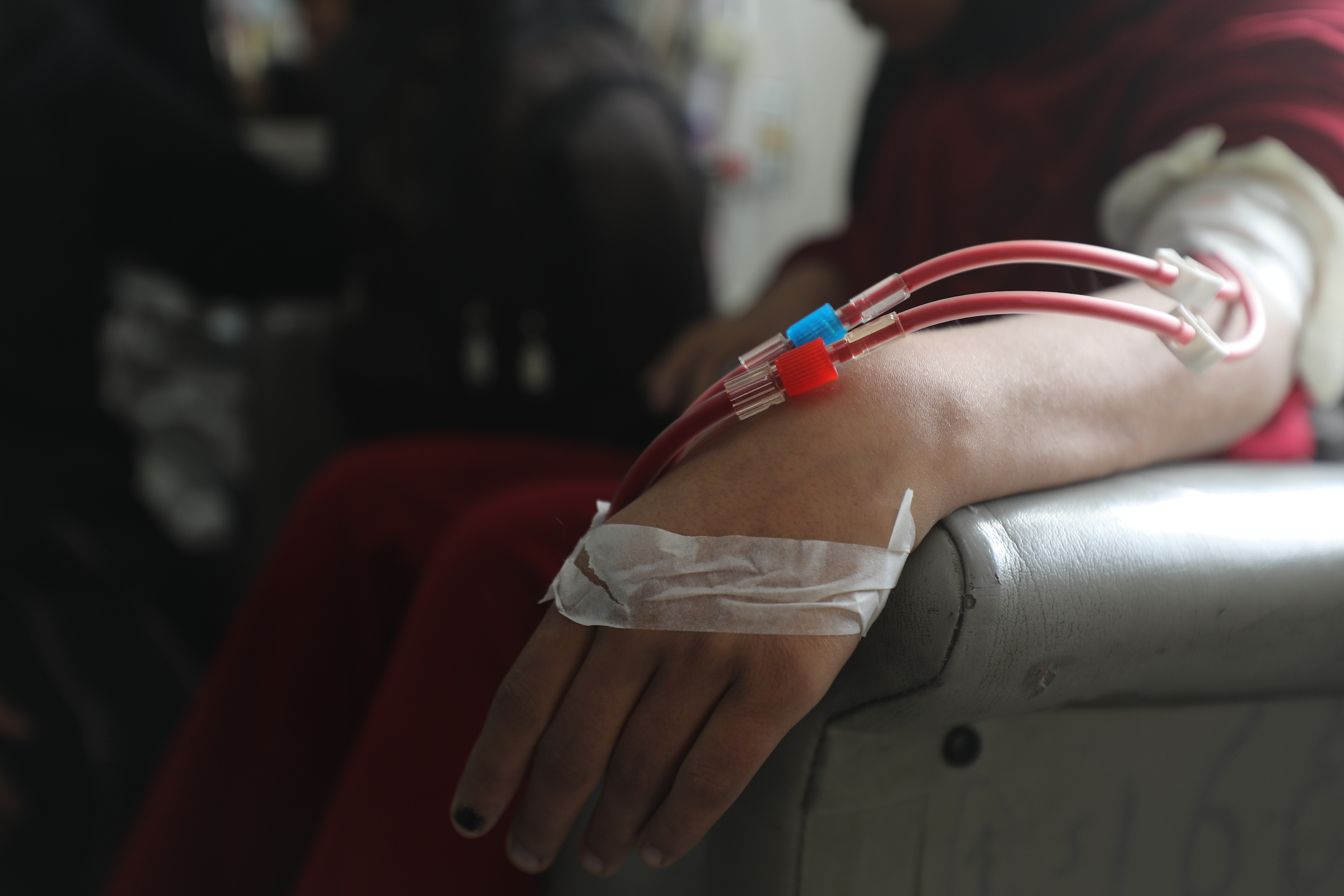
The targeting of healthcare infrastructure, the destruction of the healthcare system over more than two and a half years, and the obstruction of the entry of medical equipment, medicines, and fuel have resulted in the widespread paralysis of essential treatment services, including cancer care, cardiac surgery, intensive care, dialysis services, physiotherapy, and emergency medical care. Doctors in various hospital departments told PCHR’s researcher that patients suffering from cancer, cardiovascular diseases, kidney failure, congenital abnormalities, and blood disorders, as well as those with critical injuries, are increasingly losing their chances of survival due to the unavailability of the necessary treatment in the Gaza Strip and the denial of access to travel abroad for medical care. The number of patients who have died while awaiting medical evacuation has reached 1,628 as of the date of issuance of this press release.2 It should be noted that since the onset of its military offensive on the Gaza Strip in October 2023, the Israeli Occupation Forces (IOF) have suspended the issuance of medical travel permits for patients in Gaza, effectively denying them access to hospitals in the West Bank and occupied East Jerusalem, which previously received between 10,000 and 14,000 patients from Gaza annually.
Tareq al-‘Adini (22), originally from al-Satr al-Gharbi area of Khan Younis and currently displaced in al-Mawasi, told PCHR’s field researcher the following:3
“My daughter was born by caesarean section on 11 June 2025 in the maternity ward of Nasser Medical Complex. She remained in the neonatal intensive care unit for four days due to respiratory issues. However, following evacuation orders issued by IOF for the areas surrounding the hospital, we were forced to leave before she had fully completed her treatment. Two months later, her health condition suddenly deteriorated. We noticed that her body had become completely limp and that she was unable to move her neck or limbs. We subsequently transferred her to the British Hospital southwest of Khan Younis, where she was examined by a doctor who requested a CT scan. The results revealed a serious abnormality affecting the two hemispheres of her brain. My daughter’s condition continued to deteriorate rapidly. She developed severe and persistent metabolic acidosis, acute malnutrition, chronic diarrhea, recurrent vomiting, persistent high fever, and breathing difficulties. She also refused to breastfeed, forcing us at times to use a nasogastric feeding tube to provide her with nutrition. Doctors informed us that the treatment she requires is unavailable in hospitals in the Gaza Strip. They explained that she needs specialized genetic testing and examinations in order to reach an accurate diagnosis of her condition. Approximately six months ago, we obtained a medical referral for treatment abroad, and a hospital in Italy agreed to receive her. However, to this day, we are still awaiting approval from the Israeli authorities to travel and leave the Gaza Strip. I appeal to human rights and humanitarian organizations to intervene urgently to help my daughter and save her life.”
Rafiq Hasan ‘Abdullah al-Masri (50), originally from Beit Hanoun and currently displaced in Khan Younis, said to PCHR’s researcher:4
“My struggle with my son began on the day he was born at al-‘Awda Hospital in Jabalia on 12 May 2013, when doctors observed severe cyanosis that persisted for several days. Following a series of medical examinations, including an echocardiogram at ‘Abdel ‘Aziz al-Rantisi Hospital in Gaza City, doctors determined that he had been born with a severe congenital heart defect, including abnormalities of the heart valves, severe narrowing of the aorta, and mitral valve insufficiency. Due to the seriousness of his condition, he was urgently referred to Tel Hashomer Hospital in Israel, where he underwent a cardiac catheterization procedure involving the insertion of a balloon catheter. The intervention resulted in a temporary improvement in his condition. In the years preceding the war on Gaza, we continued his treatment and medical follow-up. We travelled several times to al-Makassed Hospital in occupied East Jerusalem, where doctors repeatedly confirmed that my son required another heart surgery. However, due to his young age and reduced cardiac function, he was deemed unable to undergo the necessary operation at that time.Approximately one year ago, my son’s condition deteriorated significantly, and he developed serious complications. His heart became enlarged, and he began suffering from severe fatigue, pallor, breathing difficulties, and recurrent episodes of loss of consciousness. Doctors classified his condition as critical and informed us that they were unable to perform any surgical intervention due to the critical nature of his condition and the severe shortage of the medical resources and specialized capacities required to carry out the operation. My son, Hassan, lives with daily suffering as a result of his illness. He is in urgent need of travel and access to the specialized medical treatment required to give him a genuine chance of survival and alleviate his suffering. I therefore appeal to all those with the ability to help to intervene urgently and assist him in having an opportunity for treatment outside the Gaza Strip and to save his life.”
Dr. Mohammed Abu Salmiyah, Director of al-Shifa Medical Complex, warned of the unprecedented deterioration of the healthcare situation in the Gaza Strip, stressing that hospitals are facing severe shortages of medical supplies and energy resources. As a result, thousands of patients are at risk of death, raising fears of an imminent humanitarian catastrophe. He added that hospitals require substantial amounts of electricity to continue providing essential healthcare services. However, the generators currently in use are unable to operate continuously due to the acute shortage of spare parts and Israel’s continued restrictions on their entry into the Gaza Strip. Abu Salmiyah further stated that medical facilities across Gaza are experiencing critical shortages of medicines and medical supplies. According to him, 50% of essential medicines and 70% of medical consumables are currently out of stock. He emphasized that this shortage has coincided with a record rise in the number of patients.5
In light of the above, PCHR considers that the restrictions imposed on the travel of patients cannot be viewed as merely administrative or security measures. In their practical effect, they constitute a widespread deprivation of the right to life and the right to health.
Under the rules of international humanitarian law, the wounded and sick are entitled to particular protection. The Geneva Conventions require parties to the conflict to ensure that they receive medical care without adverse distinction and to take all possible measures to facilitate their evacuation and treatment.
When restrictions on movement become a persistent obstacle that deprives patients of access to essential medical treatment, they undermine the protection afforded to these particularly vulnerable groups under international law.
PCHR emphasizes that the continued deprivation of patients’ access to medical treatment, coupled with the rising number of deaths among those awaiting medical evacuation, despite repeated warnings issued by the United Nations, the International Court of Justice, and the World Health Organization, reflects a serious disregard for international legal obligations.
In light of this, the international community must move beyond expressions of concern and take effective and concrete measures to ensure patients’ access to medical treatment without distinction or arbitrary delay. PCHR further stresses that the failure to take urgent measures to protect civilians, including the sick and children, contributes to the perpetuation of a human-made humanitarian crisis that could otherwise be prevented or, at a minimum, its consequences significantly mitigated.
Accordingly, PCHR calls upon the international community, the United Nations, the World Health Organization, the International Committee of the Red Cross, the Special Rapporteur on the Right to Health, and all High Contracting Parties to the Fourth Geneva Convention to compel Israel to take immediate and effective measures to ensure the prompt and safe medical evacuation of the sick and wounded from the Gaza Strip. PCHR further calls for ending all unlawful restrictions that impede patients’ access to medical treatment outside the Gaza Strip, including in the West Bank and occupied East Jerusalem, and for ensuring the unrestricted entry of medicines, medical equipment, and fuel. PCHR also urges the international community to pursue accountability for Israeli war criminals responsible for serious violations that have contributed to the collapse of the healthcare system and placed the lives of civilians at risk, including patients who have been denied access to medical treatment and who constitute one of the most vulnerable groups in Gaza. Moreover, PCHR calls upon the international community for immediate action to halt the ongoing crime of genocide perpetrated by the IOF against civilians in the Gaza Strip for the past 32 months, and for serious action to ensure accountability for those responsible before international justice mechanisms.