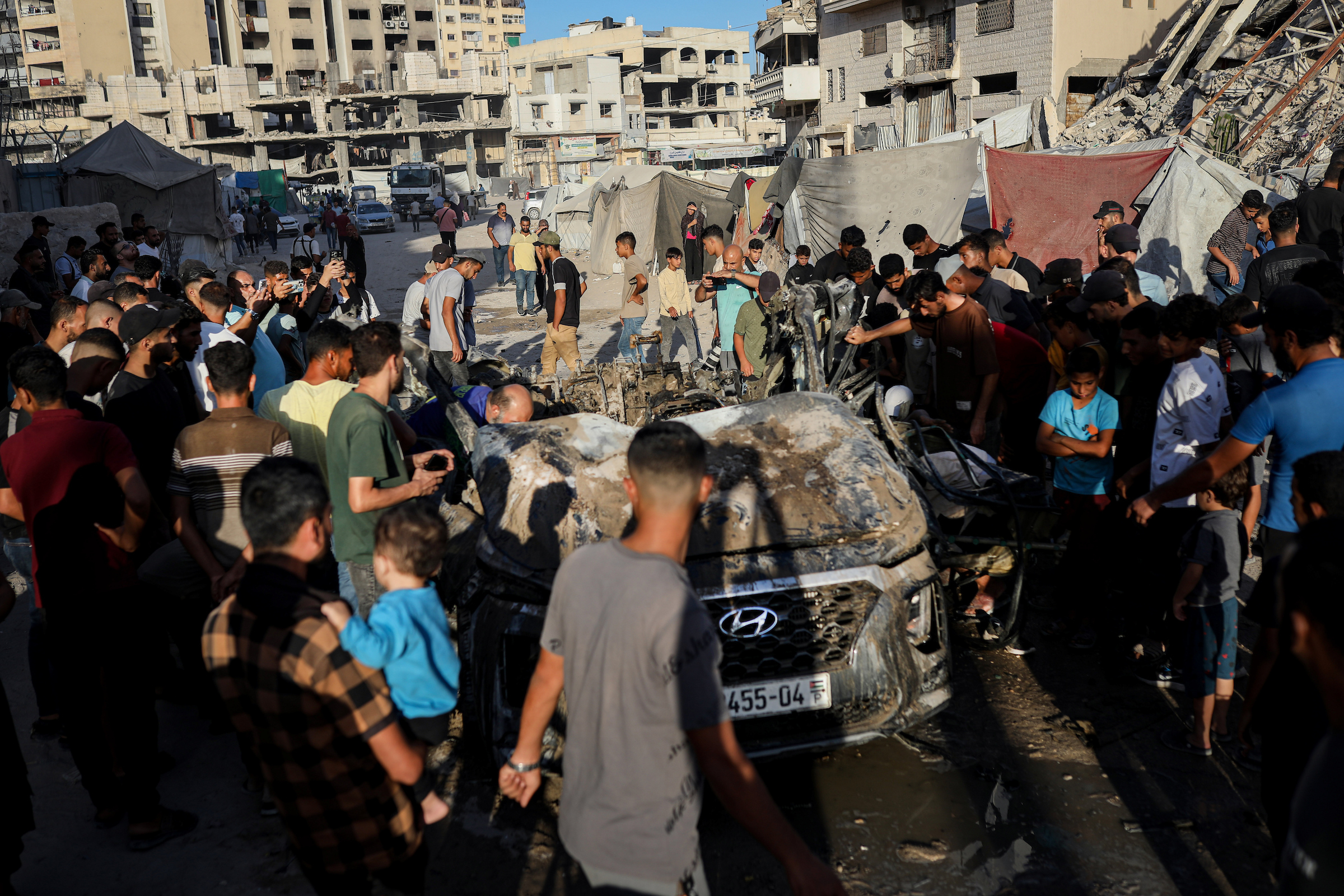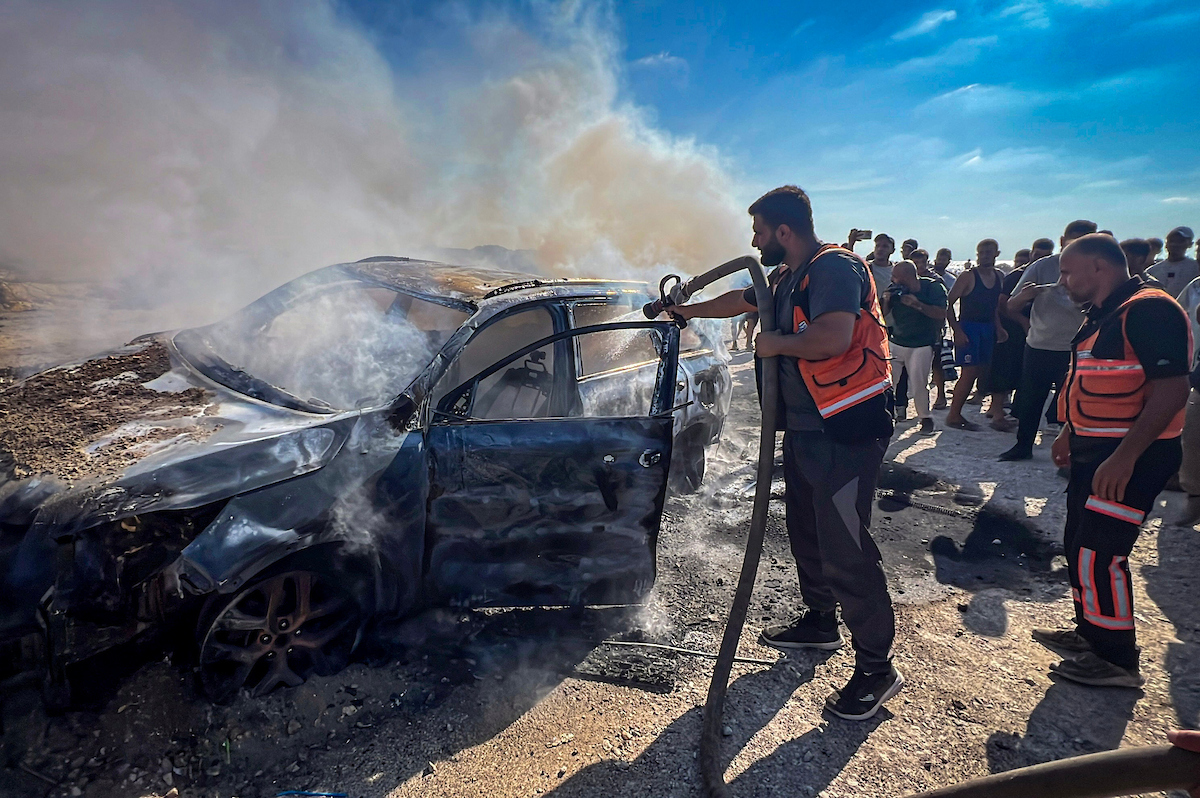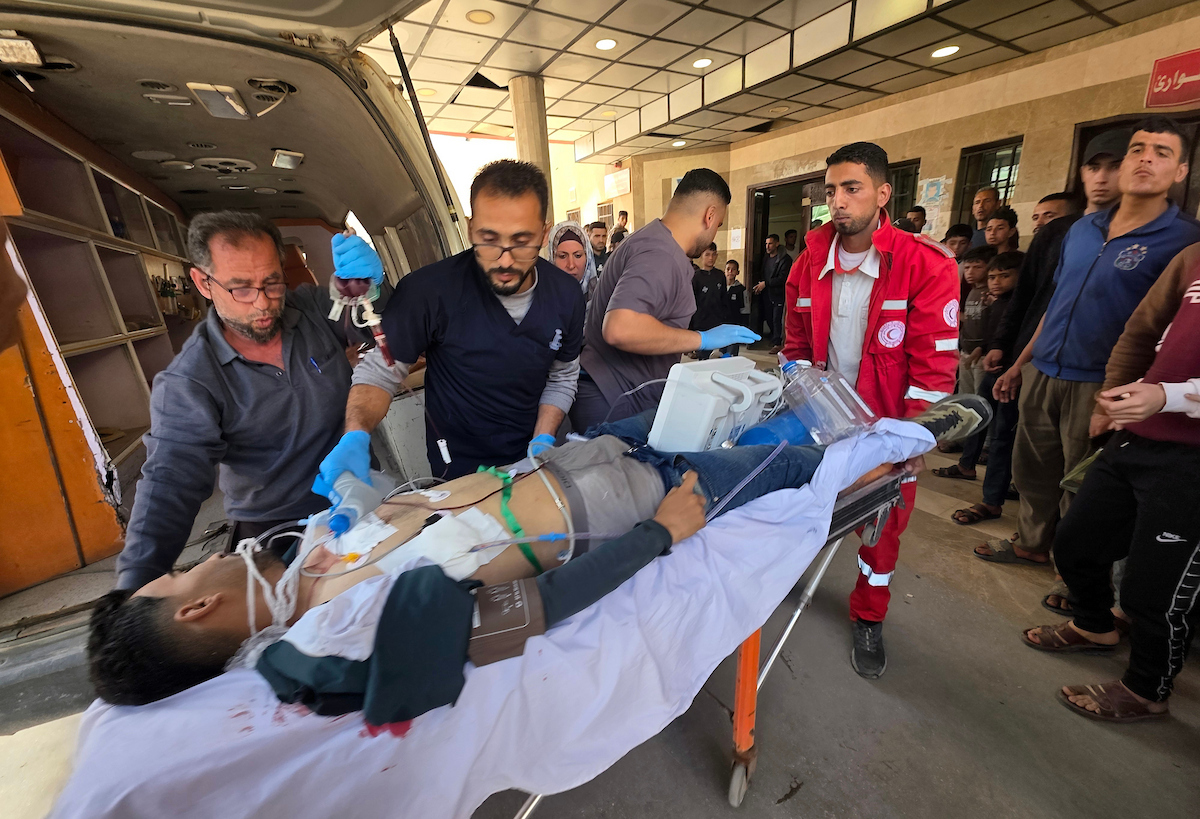
Over the past four days, Israeli Occupation Forces (IOF) have killed at least 19 Palestinians, including three children and a journalist, and injured dozens of others, amid an escalating pace of crimes committed against civilians and civilian objects in the Gaza Strip. These acts have involved direct and repeated targeting and killings carried out on a daily and systematic basis. Such conduct aligns with the elements of the crime of genocide as defined under international law.
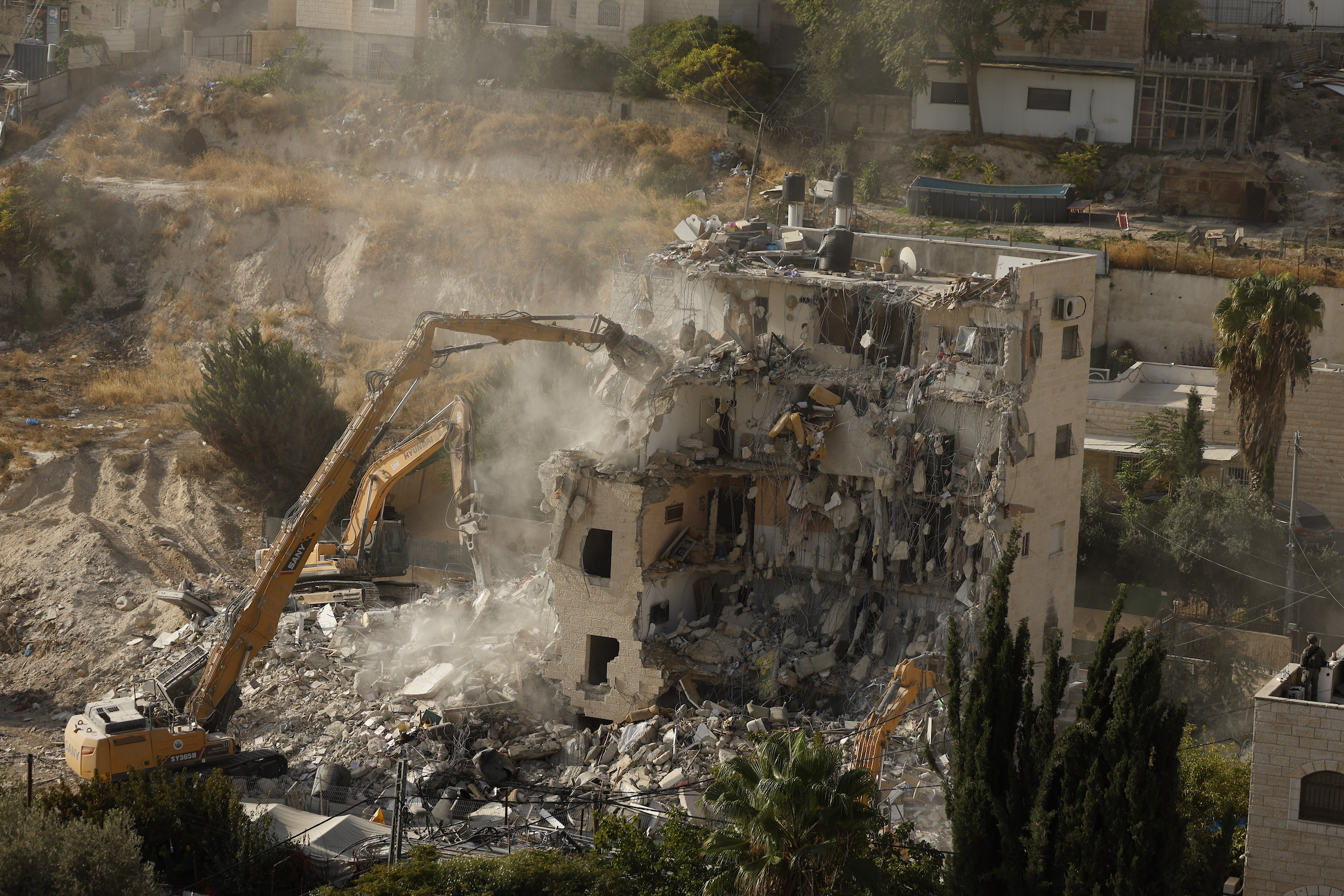
These practices reflect a deliberate policy that goes beyond merely intensifying killings, instead regulating and organizing them within a consistent pattern aimed at dismantling civilian life and inflicting the maximum possible harm on the population. This escalation indicates a serious shift from the mere commission of violations to the entrenchment of a model based on the institutionalization of the crime of genocide. This is evident in an unprecedented context that extends beyond the Gaza Strip to the West Bank, reflecting the expansion of this policy and the complementarity of its implementation mechanisms across the Palestinian territory.
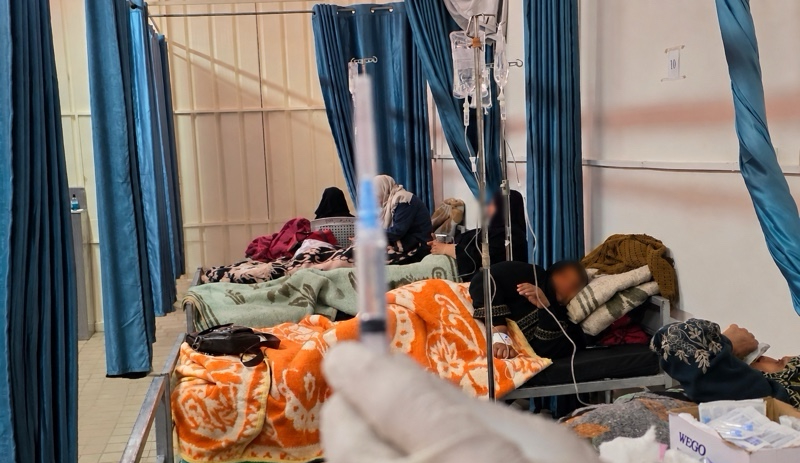
According to monitoring by PCHR field researchers, the killings by IOF culminated on Tuesday, 14 April 2026, when 10 Palestinians were killed, including a child, and 30 others were injured. At approximately 21:35, an Israeli drone fired two missiles at a group of people gathered near Ghaben Coffee Shop in al-Shati’ refugee camp, west of Gaza City. As a result, four Palestinians were killed: Mo’atasem Soliman Mohammed Baker (33), Soliman Hani Soliman Baker (19), Ahmed Ibrahim Mohammed Abu Hasirah (33), and ‘Abdullah al-Lahham (32). A further 20 people were injured, including three who sustained serious wounds.
At approximately 16:30, medical sources at Al-Shifa Medical Complex announced the death of Hussein Samir Ahmed al-‘Amoudi (20), who succumbed to wounds sustained earlier that morning after being shot in the head when IOF opened fire on him while he was checking on his home on Abu Hussein Schools Street in Jabalia Refugee Camp, in the northern Gaza Strip.
At approximately 14:15, Israeli warplanes fired a missile at a clearly marked police vehicle (Toyota Hilux) bearing police insignia while it was traveling along al-Nafaq Street in Gaza City. As a result, one police officer, Sa’di Rashad Sa’di al-Ghefari (47), was killed, along with two passersby, including a child: Mohammed Kamal Sa’id Abu Jariah (40) and Yehia Mokhles Ramadan al-Malahi (3). A further 10 Palestinians were injured, including two who sustained serious wounds; one of them later succumbed to his injuries on Wednesday morning and was identified as Talal Lutfi Saleh Subeih (47). It should be noted that the area is heavily crowded with displaced people and street vendors.
At approximately 15:40, IOF opened fire on Halawah refugee camp, which shelters dozens of displaced families in Jabalia al-Balad, in the northern Gaza Strip. As a result, Adam Ahmed Mohammed Halawah (15) was killed after being shot in the head. Another person also sustained serious injuries.
At approximately 21:00 on Monday, 13 April 2026, an Israeli drone fired two missiles at a group of people in the New Gaza Coffee Shop and Restaurant in the al-Remal area of central Gaza City. As a result, Islam Hisham Riyadh Qanitah (31), a journalist working for the Palestine Now website, was killed, and others were injured. The place also sustained damage.
At approximately 11:30, an Israeli drone opened fire in the vicinity of Abu Hmeid intersection in central Khan Younis, targeting a group of people. As a result, Mahmoud Soliman Helmi al-Faq‘awi (24) was shot in the chest and transported to the Palestinian Red Crescent Hospital, where his condition was initially reported as serious. Approximately one hour later, he was transferred to Nasser Medical Complex, where he was pronounced dead about 30 minutes after his arrival.
Mohammed Mahfouz Hbeis Shalouf (58) was killed after being shot in the chest when IOF opened fire on him while he was checking on his agricultural land in the al-Bardaweel area of Mawasi Rafah on Monday morning, 13 April 2026.
An Israeli drone targeted, at approximately 01:25, with missile security officers gathered at the end of Al-Mazra‘a Street near Salah al-Din Street in Deir al-Balah, central Gaza Strip. As a result, three of them were killed and a fourth sustained serious wounds. The deceased were identified as: Mohammed Younis ‘Abed Rabbo Al-‘Adini (23), Al-Muntasir Billah Ezz al-Din Nemer Basheer (23), and Mohammed Hassan Omar Abu al-Rous (32).
At approximately 12:00 on Sunday, 12 April 2026, an Israeli drone opened fire in the vicinity of Al-‘Abbara Street on Salah al-Din Street, north of Khan Younis, killing Yehia Sa’eed Yehia Al-Agha (48) after he was shot in the head. His brother Ahmed stated that the victim was walking near the intersection of Street 5 and Salah al-Din Street, on his way to pick up his young daughter from school, when a quadcopter suddenly opened fire in the area, striking him in the head and killing him instantly.
In another incident, at approximately 15:40 on Saturday, 11 April 2026, an Israeli drone targeted people gathered on Al-Hatabiyah Street in Beit Lahia, northern Gaza, resulting in the killing of a 17-year-old child, Ali Hossam Ali Abu Taleb, and the injury of three others.
Additionally, Abdullah Nour Saeed Dawwas (12) was killed by direct fire from an Israeli drone targeting displaced persons at approximately 19:30 on Saturday near Abu Hussein Schools and Al-Fakhoura Health Centre in Jabalia refugee camp, northern Gaza.
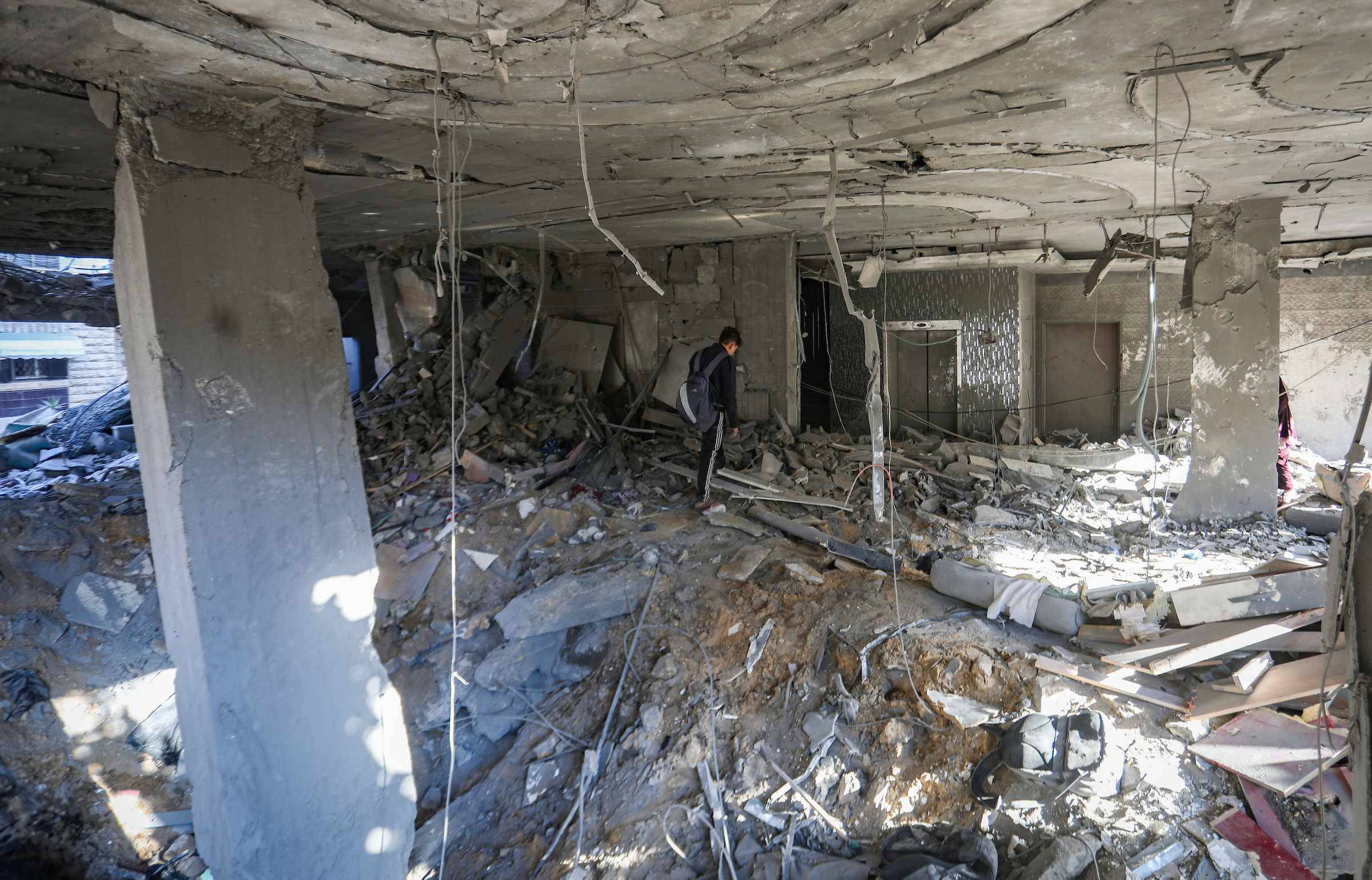
According to follow-up by our field researchers, since the ceasefire was declared on 10 October 2025, the IOF have continued air and artillery bombardments, gunfire, and recurrent demolitions within areas located along the so-called “yellow line,” aimed at destroying the remaining houses and buildings. According to the Ministry of Health, these attacks have so far killed 765 people and have wounded 2140 others. This brings the cumulative casualties since the onset of the Israeli aggression on the Gaza Strip on 7 October 2023, to 72,344 deaths and172,242 injuries.
PCHR emphasizes that the IOF’s ongoing widescale killings and targeting of civilians, coupled with the continuing policies of siege, and starvation, constitute a complementary pattern of acts that amount to crimes of genocide under international law, in particular the 1948 Convention on the Prevention and Punishment of the Crime of Genocide.
PCHR calls on the international community to take immediate measures to halt the ongoing violations; exert pressure to ensure protection for the civilian population in the Gaza Strip; activate accountability mechanisms for the commission of these crimes, to hold those responsible accountable, and end impunity.