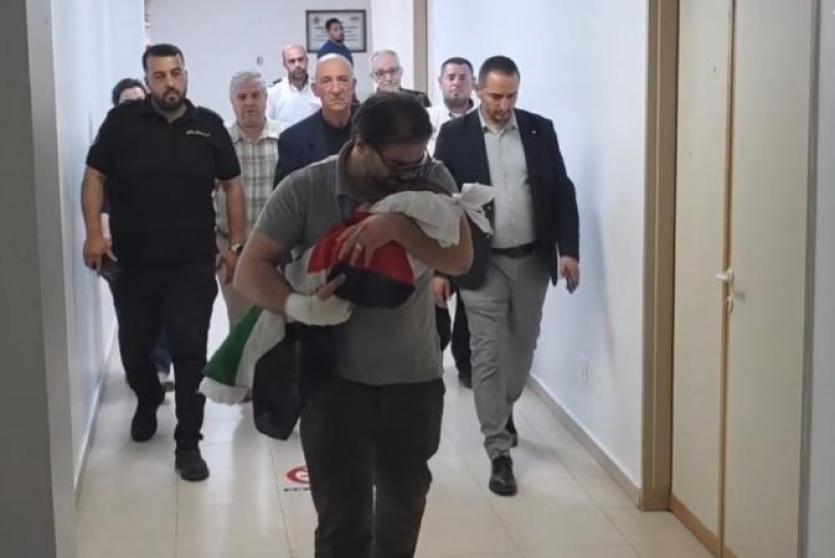
On Saturday, Israeli Occupation Forces (IOF) carried out a series of intense strikes across the Gaza Strip, killing 31 Palestinians, including 7 children and 7 women, in one of the deadliest days since the ceasefire was declared in Gaza. This occurred in the context of Israel’s ongoing and repeated breaches of the ceasefire agreement, which it continues to treat as nonexistent, while persisting in aerial and land bombardments as well as gunfire targeting civilians and civilian objects from one side, in the complete absence of any hostilities.
IOF commit these crimes within a clear pattern of systematic violations, fabricating pretexts and incidents to justify killing and destruction, and to further pursue acts that amount to the crime of genocide. These actions are carried out in full reliance on the suspicious silence of the international community and the prevailing state of impunity, with no regard for any bodies established to administer the situation in the Gaza Strip.
Among the most significant incidents documented by PCHR’s Field Researchers:
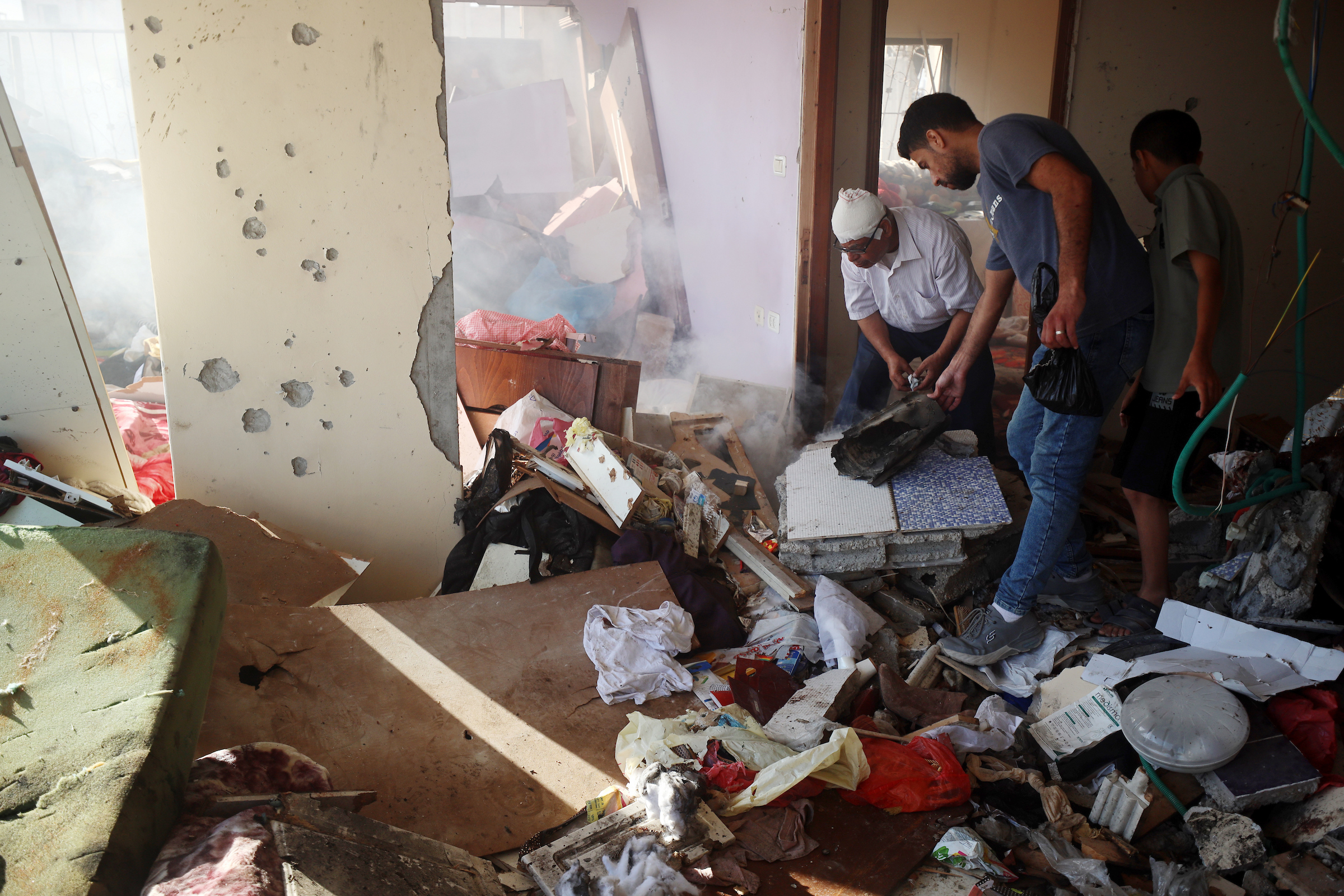
At approximately 04:00 on Saturday, 31 January 2026, IOF warplanes targeted a residential apartment belonging to the al-Atbash family near Haidar Intersection, west of Gaza City. As a result, five people were killed, including three girls and two women, while others were injured. The victims were identified as Olfat Ahmed Ibrahim al-Atbash (61); her three granddaughters—Zina, Mariam, and Menatallah Mahmoud Sami al-Atbash, aged 3, 5, and 7 respectively; and Islam Mohammed Ibrahim al-Atbash (24), the girls’ aunt.
This attack starkly illustrates the deliberate targeting of a civilian family while asleep in their home, without any military necessity.
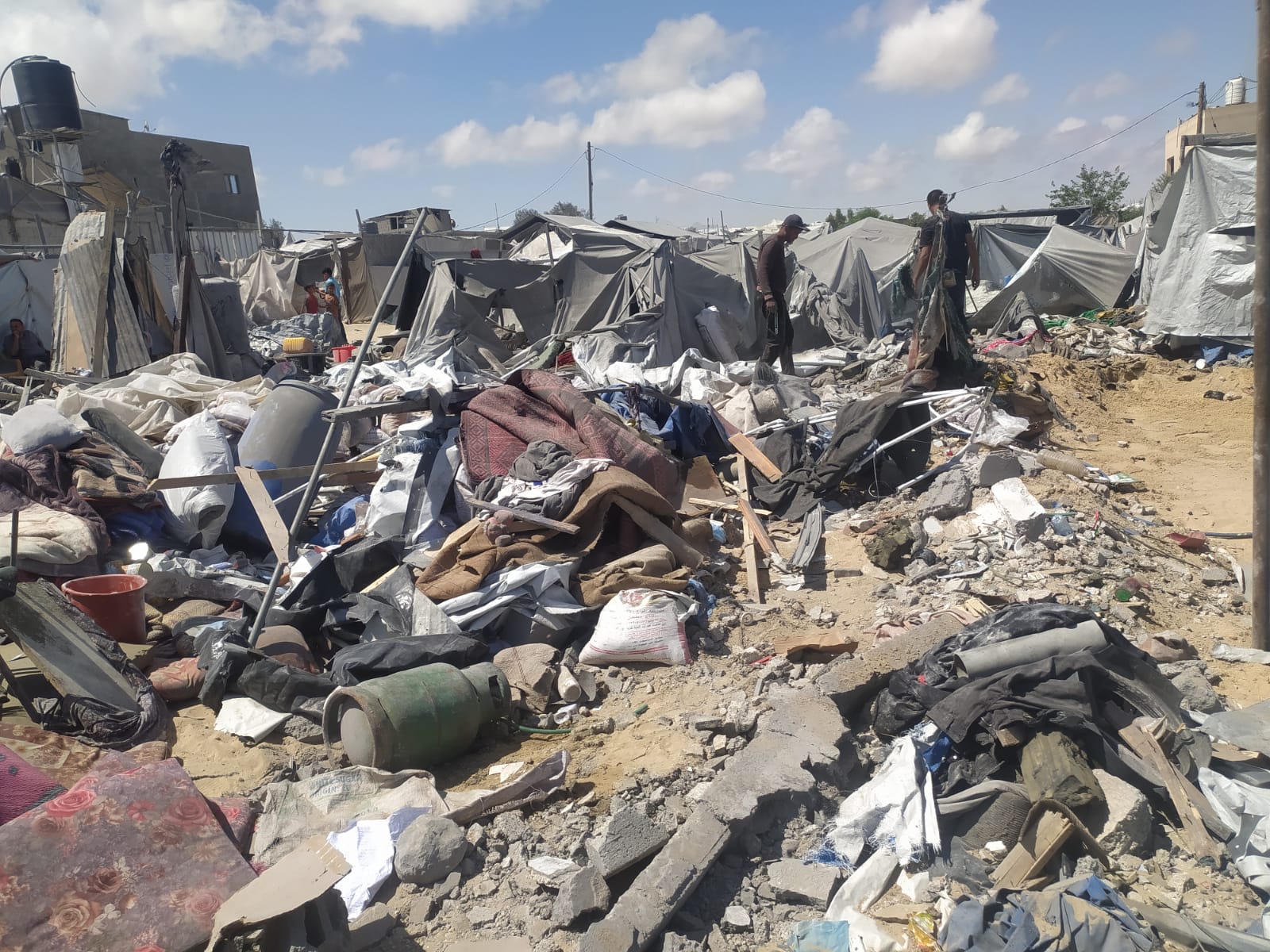
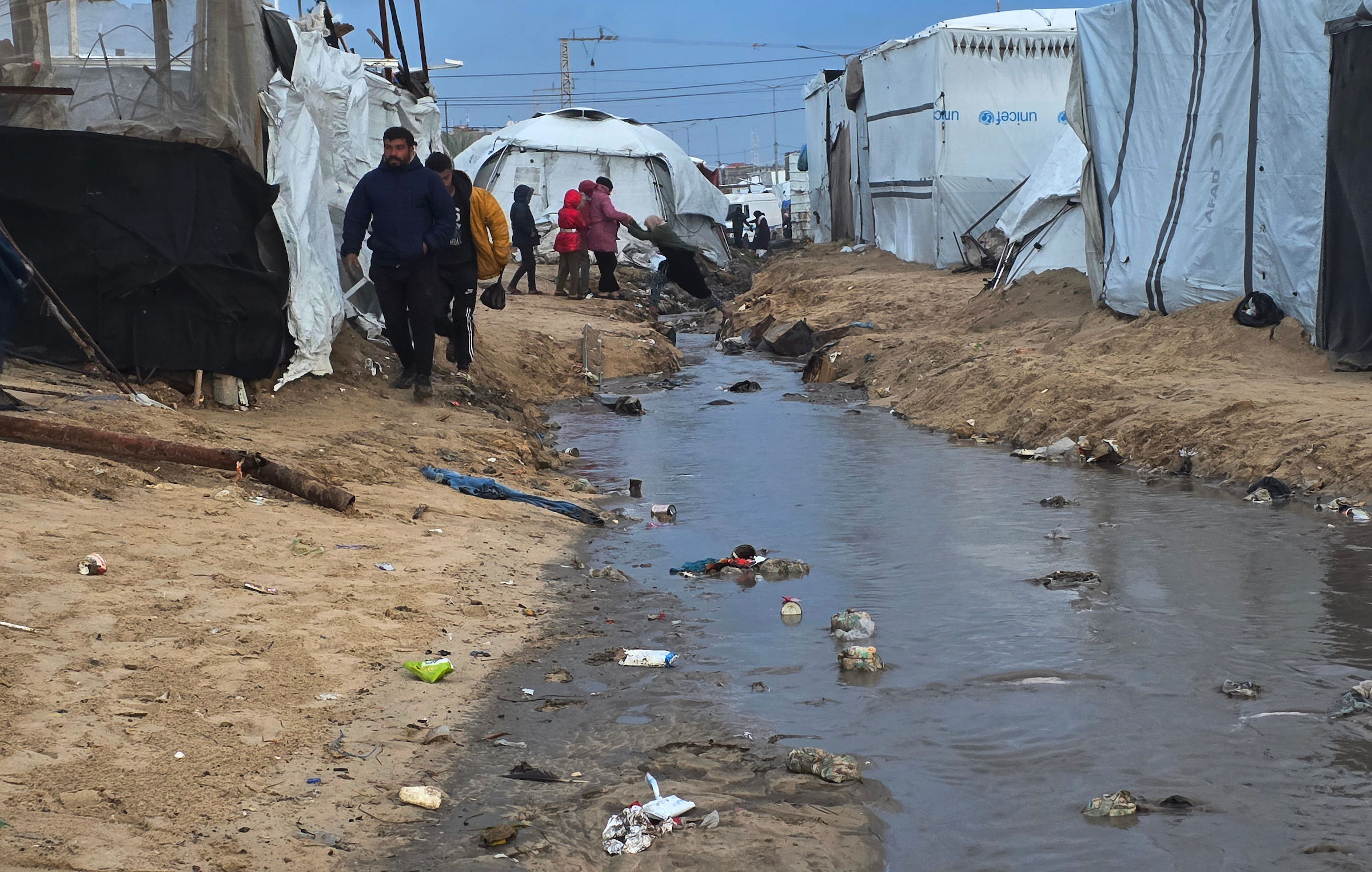
At approximately 05:30, Israeli warplanes attacked a tent sheltering displaced Palestinians in Asda’a City, northwest of al-Mawasi, Khan Younis. The attack set the tent and its surroundings on fire, killing seven displaced members of the same family, including three children, a woman, and an elderly man, while others sustained serious injuries.
The victims were identified as Rebhi Hammad Mohammed Abu Hadayed (69); his sons Mohammed (36), Hazem (39), and Hejar (27); and his grandchildren Laya Mohammed Rebhi Abu Hadayed (5), Sham Hazem Rebhi Abu Hadayed (7), and her brother Jebreel (8) One of the victims’ relatives, Hussam Mohammed Harb Abu Hadayed, told PCHR field researchers that the tent caught fire within moments, burning and tearing the bodies apart, in a scene that reflects the extreme level of violence used against people who have nothing but fragile tents, considered their last refuge.
At approximately 11:15 on the same day, IOF warplanes targeted a house belonging to the Rezeq family near an UNRWA clinic in al-Naser neighborhood, Gaza City. As a result, Nabilah Mohammed Ibrahim Rezeq Abu Qa‘oud (69) and Mohammed Ahmed Rezeq (7) were killed, while others sustained injuries.
The strike occurred at a time when the area was witnessing active civilian movement, reflecting a deliberate disregard for civilian life and the sanctity of health facilities and their surroundings, in blatant violation of international humanitarian law.
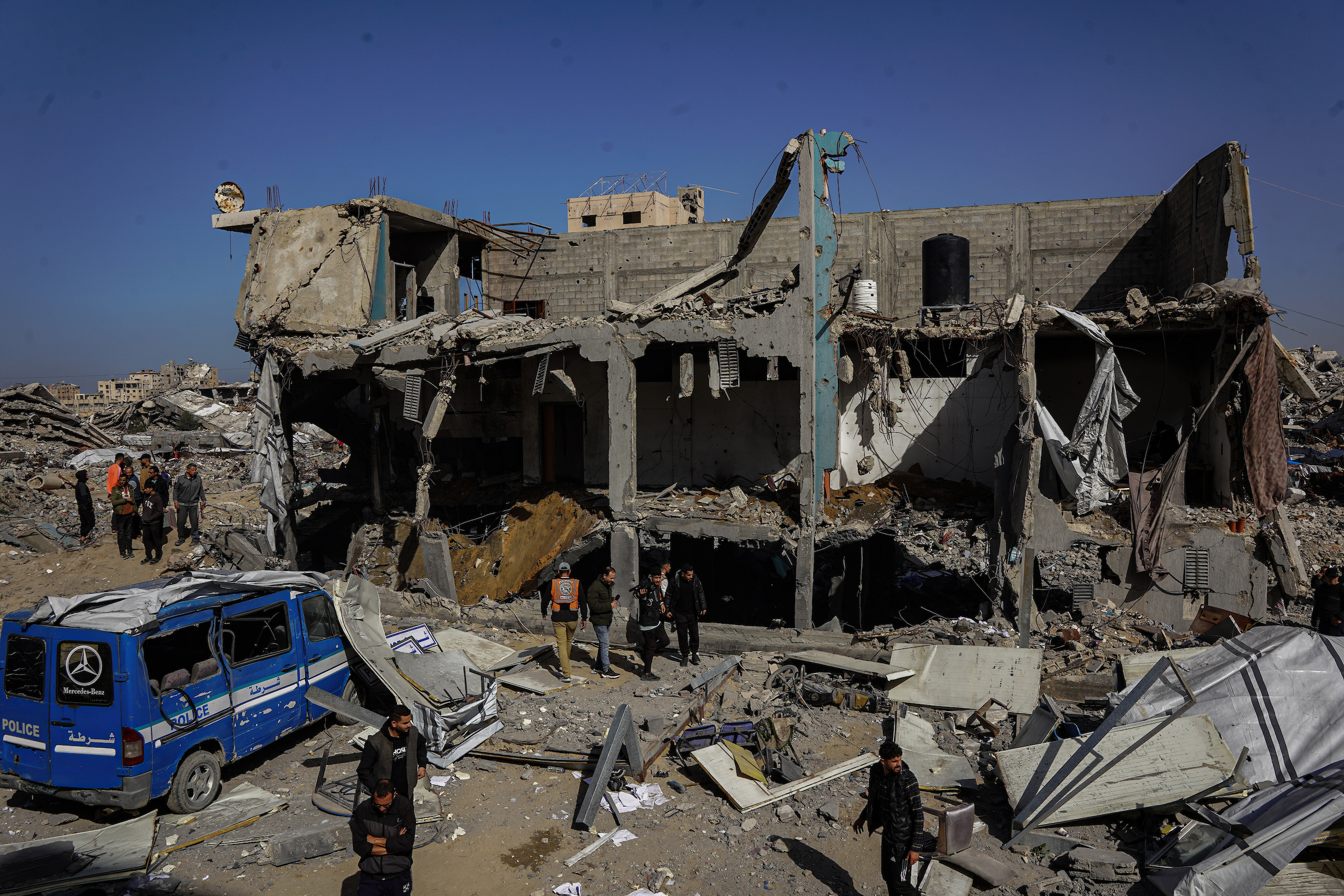
Around the same time, Israeli warplanes fired two missiles at al-Sheikh Redwan Police Station, near Bahloul Petrol Station in al-Naser neighborhood, Gaza City. The police station had been partially repaired following the ceasefire and had resumed operations. As a result of the attack, 15 people were killed, including six civilians who were inside the station at the time and nine Palestinian police officers, among them four female officers, while others sustained injuries of varying severity
This attack demonstrates Israel’s deliberate intent to extend the cycle of killing to include civilian officers and service users, in the complete absence of any clashes.
At approximately 12:50, an Israeli drone targeted a group of people gathered on Old Gaza Street in Jabalia, northern Gaza Strip. As a result, Kamal Mohammed Ahmed Khader (35) was killed, and two others sustained serious injuries.
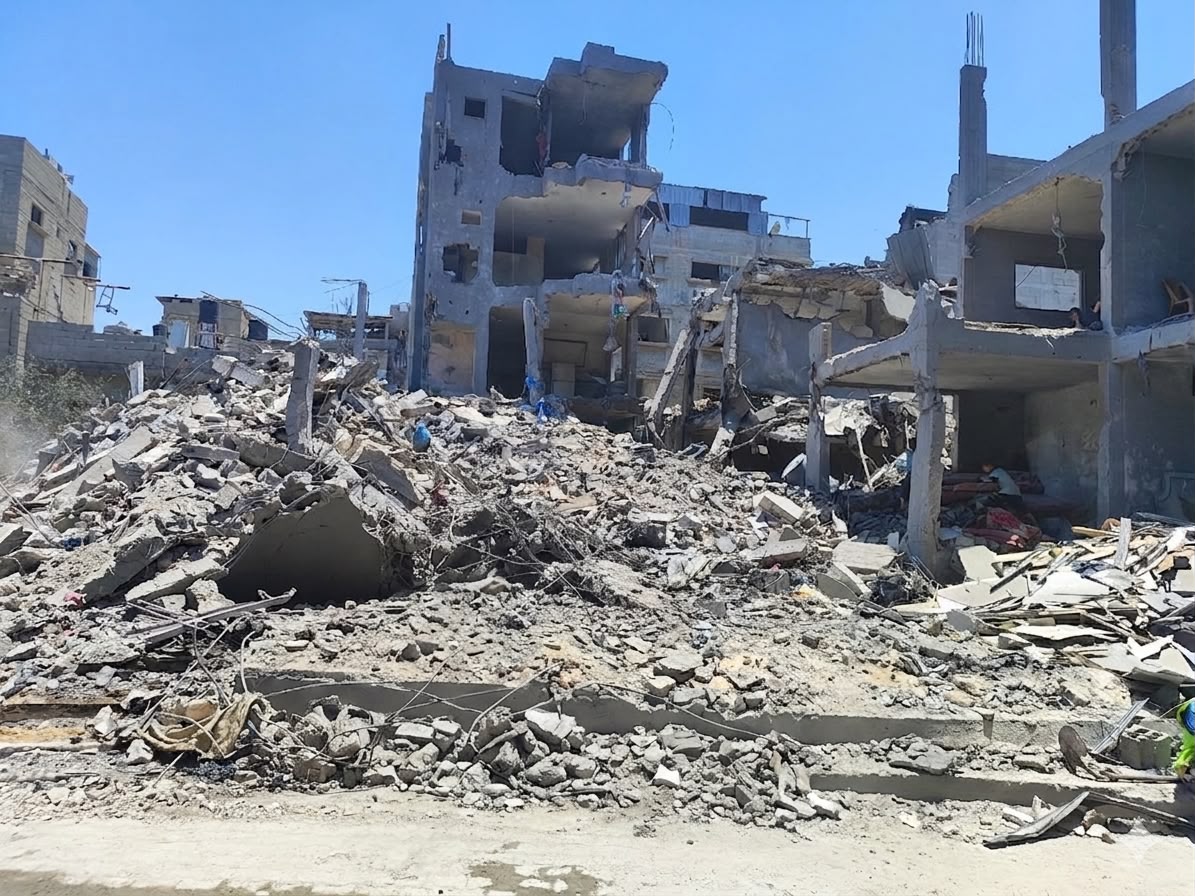
According to follow-up by our field researchers, since the ceasefire was declared on 10 October 2025, the IOF have continued air and artillery bombardments, gunfire, and recurrent demolitions within areas located along the so-called “yellow line,” aimed at destroying the remaining houses and buildings. According to the Ministry of Health, these attacks have so far killed 544 people, including 180 children and 72 women, and have wounded 1360 others, of whom 57.5% are children and women.
These acts constitute serious violations of international humanitarian law, in particular the principles of distinction and proportionality, and amount to war crimes and crimes against humanity. In their broader context, their repetition, and the targeting of protected groups, they also fall within the definition of genocide under the 1948 Convention on the Prevention and Punishment of the Crime of Genocide, through the deliberate killing and infliction of serious bodily harm to members of a national, ethnical, racial, or religious group with the intent to destroy it, in whole or in part.
PCHR calls on the international community to uphold its responsibilities and take immediate measures, including providing urgent protection for civilians, ending IOF’s military presence in the Gaza Strip, halting the use of methods and weapons targeting civilian neighborhoods, and compelling Israel to cease its attacks and the ongoing siege on the Strip.