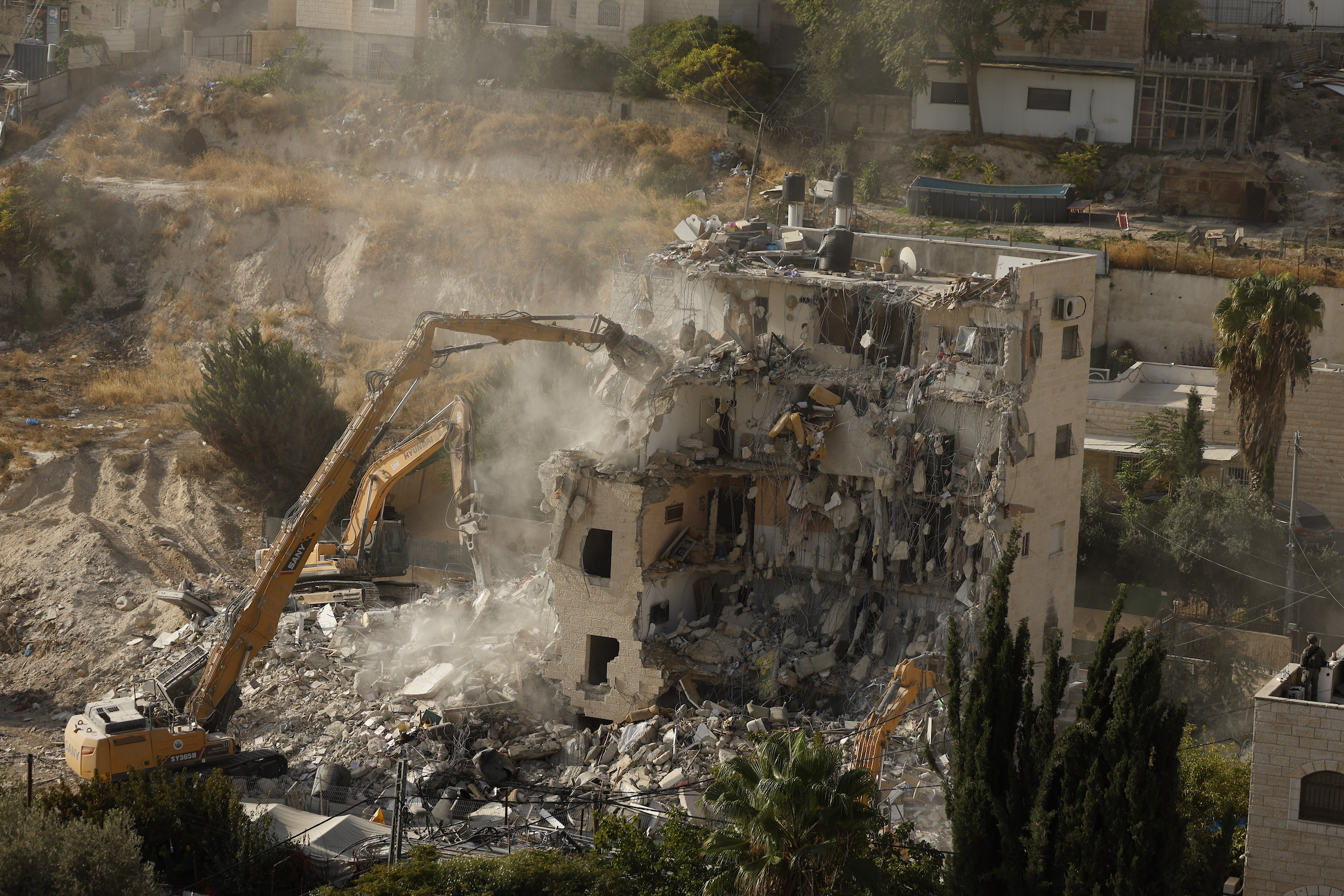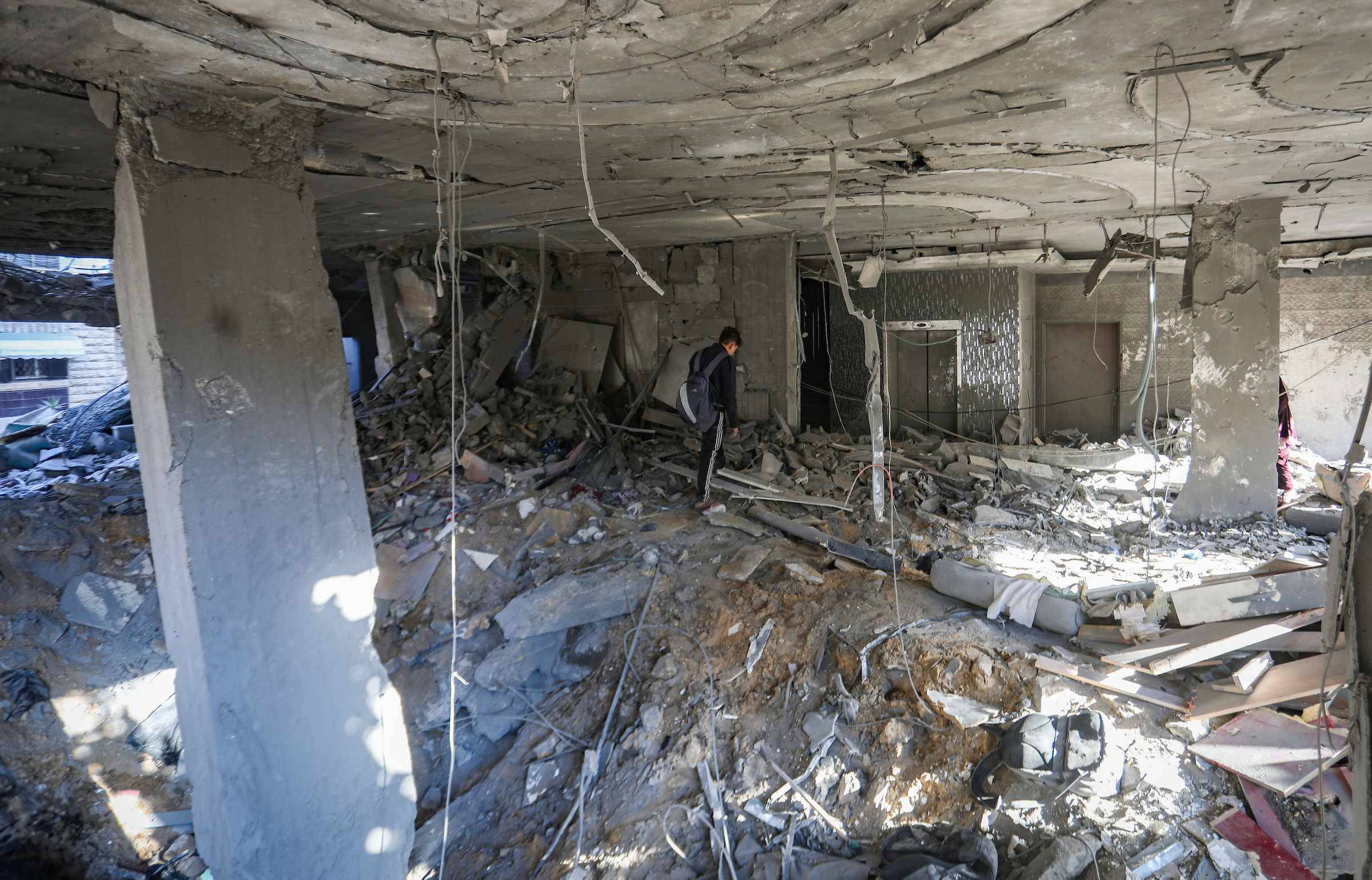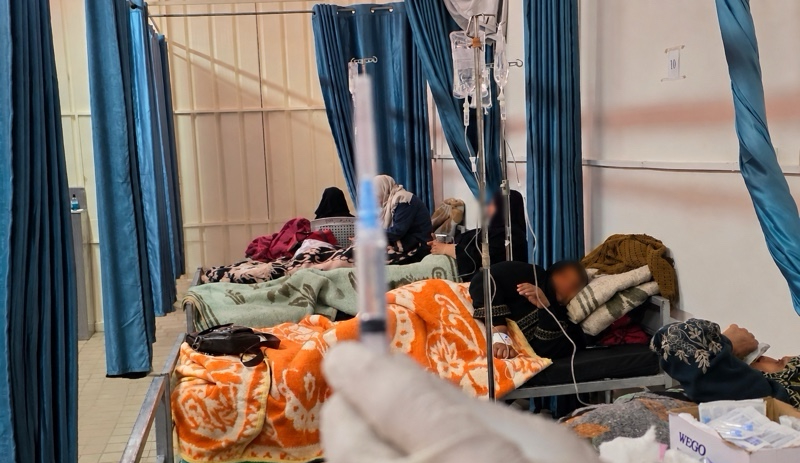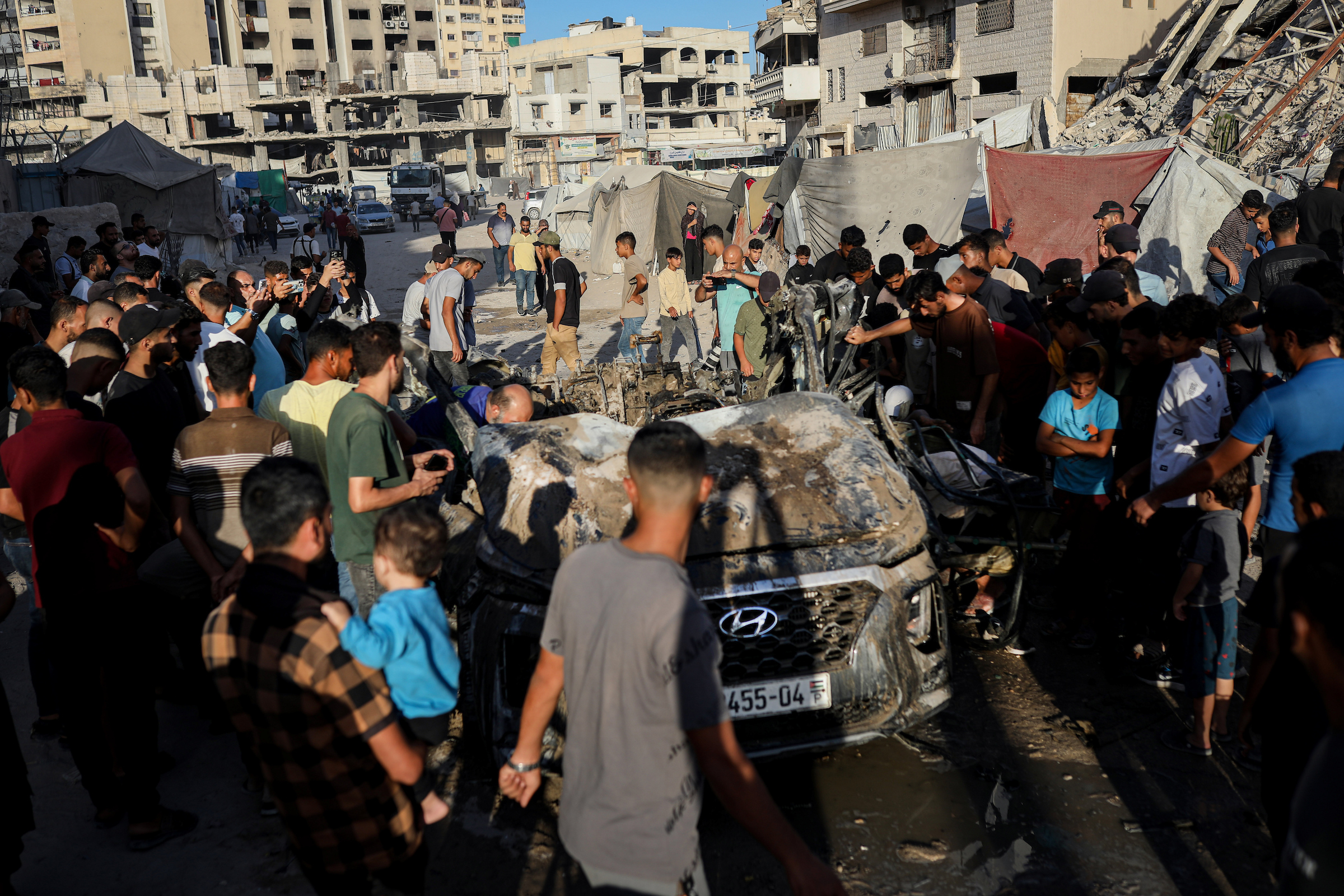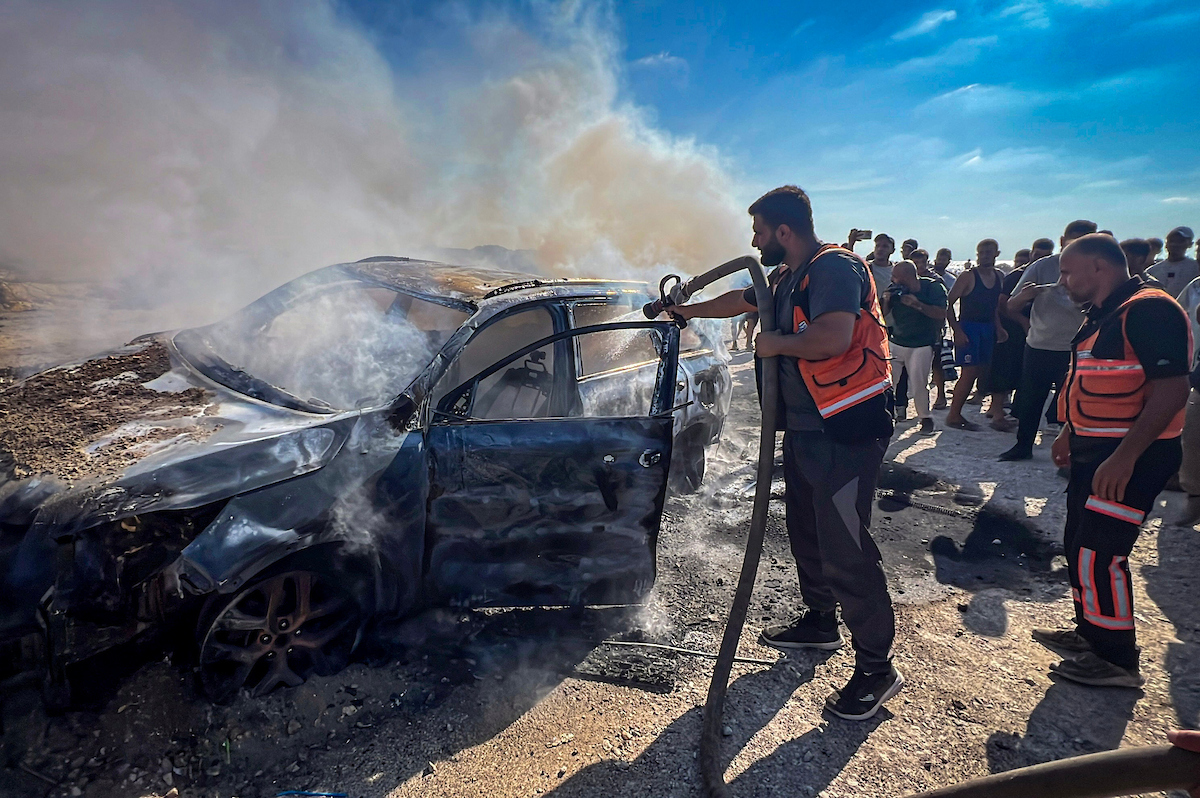
The Israeli Occupation Forces (IOF) continue to ban the entry of goods and essential materials required for the operation of civilian facilities and critical services in the Gaza Strip. This ban has been in place for the past 32 months, despite the passage of 9 months since the declaration of a ceasefire on 10 October 2026. Among the prohibited essential materials are oils, lubricants, critical spare parts, and batteries required for the operation of generator engines, vehicles, and civilian machinery. This systematic restriction has contributed to the deterioration of already catastrophic humanitarian conditions, as essential services continue to decline due to their complete reliance on generators. These include the operation of water wells, pumping stations, desalination plants, wastewater treatment facilities, and solid waste collection services. The impact of these restrictions has further extended to the disruption of life-saving medical equipment, the preservation of medicines and vaccines, and the operation of transportation systems, as well as internet and telecommunications services. Moreover, these measures have severely undermined the ability of shelters to provide even the minimum required services for displaced persons, directly threatening the lives of approximately two million Palestinians in the Gaza Strip and severely restricting their ability to survive under these extremely harsh humanitarian conditions.
When viewed within the broader context of policies aimed at depriving the civilian population of essential means of survival, the ban on the entry of engine oils forms part of a pattern that reinforces the legal assessment reached by the Palestinian Centre for Human Rights (PCHR), in line with Article II(c) of the Convention on the Prevention and Punishment of the Crime of Genocide. This provision criminalizes the deliberate infliction of conditions of life calculated to bring about the physical destruction of a group, in whole or in part, which reflects the situation currently faced by the population of the Gaza Strip. This ban, which lacks any legitimate security justification, is consistent with public statements made by the Israeli Minister of Defense, Yoav Gallant, on 9 October 2023, in which he declared a “total siege” on the Gaza Strip, stating that “no electricity, no food, no fuel” would be allowed into the territory.1 The continued prohibition on the entry of essential supplies required for the operation of generators and vehicles extends beyond any claimed military necessity. It contributes to the deepening of the humanitarian crisis and further renders life in the Gaza Strip increasingly impossible.
According to PCHR’s follow-up monitoring, this acute shortage of engine oils has led to a dramatic surge in prices, with one liter reaching approximately 2,000 shekels (around 700 US dollars).2 This represents an extreme and unprecedented increase that is entirely disproportionate to the purchasing power of the population. In contrast, the international market price in nearby countries ranges between 4 and 15 US dollars per liter (approximately 12 to 45 shekels). This sharp rise has forced generator owners and drivers to resort to dangerous and unsafe alternatives. Many have been compelled to use burned oil or heavily used oil that has been filtered through primitive methods, in an attempt to keep engines operational, even temporarily. Despite the severe risks associated with such practices, including serious damage to engines and permanent breakdowns, this has become a forced necessity in the absence of alternatives and due to the lack of financial capacity.
First: Generators on the Verge of Complete Shutdown
Amid the total collapse of the electricity system in the Gaza Strip, generators have become the primary source of power for the operation of hospitals, water pumping stations, sanitation services, bakeries, shops, economic facilities, shelters, and relief organizations. These generators rely mainly on oils and lubricants to maintain efficiency and ensure safe and continuous operation. However, with the continued depletion of available stocks and the inability to carry out regular maintenance, generators have become increasingly vulnerable to frequent malfunctions and gradual deterioration, forcing many to cease operation altogether. These breakdowns have led to a significant rise in operational and maintenance costs, compounded by the shortage of spare parts and fuel. This situation has further aggravated the suffering of the population, who depend on generators as their sole source of energy, particularly following the shutdown of the only power plant in the Gaza Strip for more than two years and the destruction of the electricity distribution network.
Engineer Mohsen Siam, spokesperson of the Generators’ Owners Association in the Gaza Strip, stated that private generators constitute the only source of electricity for households, as well as for health, educational, and economic facilities. He explained that these generators were originally operated to provide the bare minimum of essential services and to restore a degree of normal life for the population. Siam added that generators are now facing an acute shortage of mineral oils and spare parts necessary for their operation, warning of the risk of a complete shutdown if urgent action is not taken. He emphasized that any halt in generator operations would have a direct and severe impact on various service sectors and economic activities, noting that the Gaza Strip is now almost entirely dependent on electricity generated by these generators. He further urged international organizations to intervene urgently to provide the necessary operational supplies, pointing out that the price of oils has risen to unprecedented levels, ranging between 2,000 and 2,700 shekels per liter when available, while spare parts have become almost entirely unavailable. Siam also explained that the number of operational generator projects has declined significantly, from around 250 projects before the war to approximately 80–100 projects currently, serving around 200,000 subscribers, including households, economic establishments, and vital service facilities.3
Shima al-Sha’er, a housewife and mother of four children, said to PCHR’s field researcher:4
“Following a year and a half of power outages in our home, a private generator was installed in our area, which helped alleviate our suffering. We were able to light our homes for a few hours daily, pump water to the rooftop tanks, and charge our mobile phones and laptops. However, over the past month, the generator’s operating hours have been reduced to only two hours per day. The owner informed us that it may have to be shut down completely for several days due to the shortage of oil and spare parts in the local market. I am deeply worried, as this means we will return to manually transporting water, while our children will remain in darkness without access to education. Worst of all, we will once again have to charge our phones at distant solar charging points, exposing them to the risk of loss as has happened to us before.”
Second: Health Sector Trapped in A Cycle of Danger
The ban on the entry of oils and spare parts has had a severe and critical impact on the health sector, which has relied entirely on generators for electricity since the onset of the aggression.
Engineer Zaher al-Wahidi, Director of the Information Unit at the Ministry of Health, told PCHR’s field researcher5 that generators operating around the clock for more than two and a half years require approximately 2,500 liters of oil per month. He explained that, due to intensive use, the shortage of filters, oils, and spare parts, as well as Israeli attacks, 72 out of the 111 generators serving hospitals across the Gaza Strip have broken down. Only 39 generators remain operational, functioning at reduced efficiency and with critically limited quantities of oil. He added that there are serious concerns that an additional 11 generators may cease operating if the necessary maintenance cannot be carried out. Al-Wahidi warned that this shortage poses a direct threat to emergency operating rooms, intensive care units (ICUs), neonatal incubators, and ventilators. He further stressed that it endangers the lives of kidney failure patients who require three dialysis sessions per week, as any disruption to these services would result in the accumulation of toxins in their bodies, placing their lives at serious risk.
Regarding medical transportation, Mahmoud Hammad, Director of Administrative Affairs at the Ministry of Health, told PCHR’s field researcher that the Ministry has lost approximately 70% of its ambulances and transportation vehicles, while the remaining 30% have sustained partial damage and are suffering from severe wear and tear. He explained that the Ministry is facing an acute shortage of oils, with its stock completely depleted. As a result, around 60 ambulances have been taken out of service due to the lack of fuel, spare parts, batteries, and tires. This situation has significantly undermined the Ministry’s capacity to evacuate the injured and transfer patients between hospitals, placing emergency medical services at risk of total suspension.6
Third: Environmental Disaster and Deterioration of Municipal Services
The impact of the shortage of oils and spare parts extends to municipalities, which rely on trucks and heavy machinery to collect and transport solid waste, operate water wells and pumping stations, and maintain sanitation facilities. This shortage has significantly reduced waste collection and transportation operations, resulting in the accumulation of waste in residential neighborhoods and displacement shelters. It has also undermined the efficiency of water and sanitation services, raising serious concerns about environmental and public health hazards, including the outbreak of diseases and epidemics, as well as the spread of rodents and insects.
A joint statement issued by the Water and Environment Quality Authority, and the Union of Gaza Strip Municipalities7 warned of a rapid and serious deterioration in water and sanitation services across the Gaza Strip. According to the statement, municipalities are facing unprecedented challenges in operating water wells, desalination plants, and wastewater pumping stations, despite the need for their continuous operation to provide more than 140,000 cubic meters of water per day for domestic and drinking purposes, particularly increased demand during the summer season. The statement further noted that sanitation facilities handle approximately 60,000 cubic meters of wastewater daily, which is pumped into the sea to prevent flooding in residential neighborhoods. It highlighted that the Sheikh Radwan wastewater pond in Gaza City is among the most critical facilities, receiving more than 10,000 cubic meters of wastewater each day. The failure of the associated pumping station due to the shortage of operational and maintenance supplies could lead to a rise in wastewater levels, causing overflow into surrounding residential areas, contaminating them and exposing tens of thousands of residents living in these areas to serious environmental and public health risks.
Fourth: Paralysis of the Transportation Sector
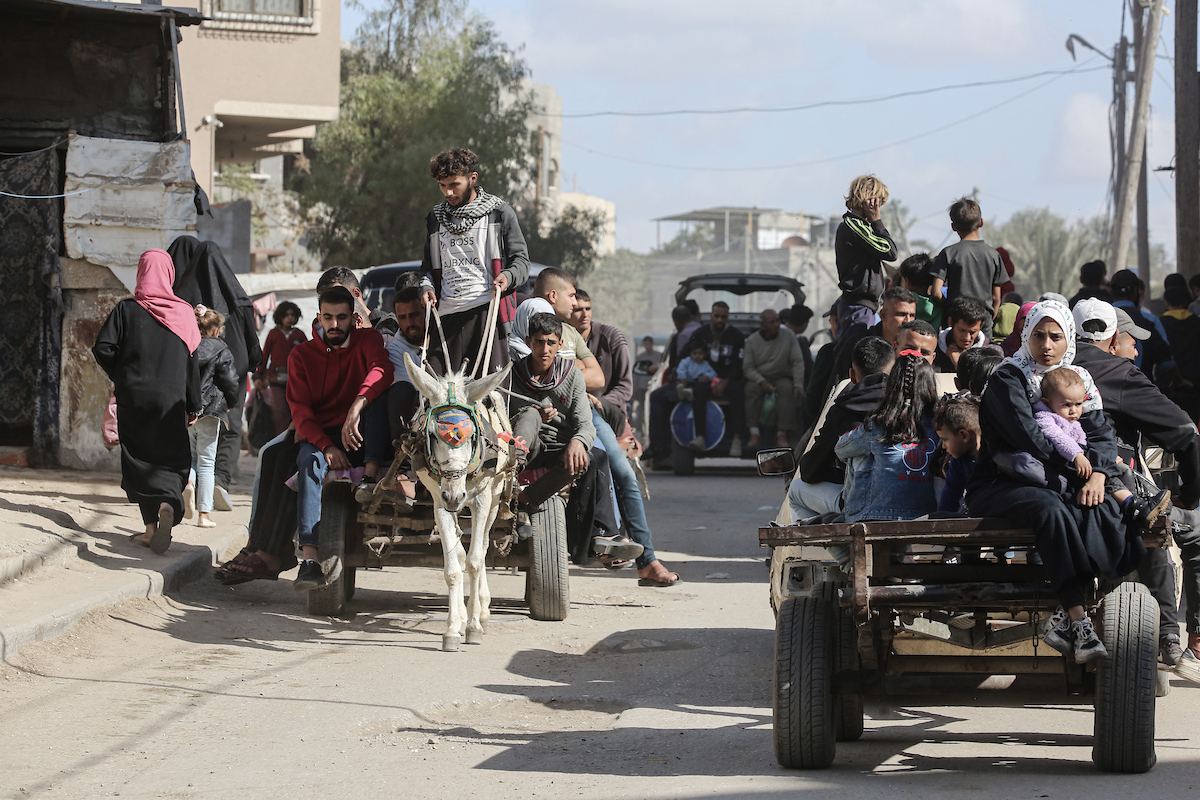
The ban on the entry of oils and lubricants into the Gaza Strip has led to an unprecedented reduction in internal transportation movement and a significant increase in transport costs. This has severely undermined people’s ability to move and access essential services, constituting a clear violation of economic and social rights. Many individuals are now forced to walk long distances to reach hospitals, relief centers, or workplaces. This paralysis has also affected the movement of goods and food supplies, contributing to rising commodity prices in local markets. More than 70% of public transportation vehicles have either fully or partially gone out of service due to engine failures caused by the use of damaged oils or delays in oil replacement.
In his testimony, driver Maher ‘Abdel Nabi, originally from Rafah and currently displaced in al-Maghazi, said to PCHR’s field researcher:8
“It cost me a great deal to repair my car so I could work and support my family of eight. I continued working despite the heavily destroyed roads, which quickly caused further deterioration to the vehicle. When it was time to change the engine oil, I discovered that one liter cost more than 2,000 shekels, while its original price outside the Gaza Strip is around 25 shekels. As a result, I decided to delay the oil change and continued driving with the old oil. However, after several weeks, the engine completely broke down and required extremely costly repairs. I lost my only source of income and became unable to meet my family’s basic needs.”
Teacher Maha Isma’il, originally from Jabalia and currently displaced in western Gaza City, told PCHR’s field researcher:9
“For the past month, it has become very difficult to find transportation to travel to and from work, and when available, it is very expensive. I learned that this is due to many vehicles being unable to operate because of the shortage of engine oils and spare parts. As a result, I am often forced to walk to and from work, arriving exhausted and returning home completely drained.”
Fifth: Legal Framework
Banning or restricting the entry of engine oils, lubricants, spare parts, and batteries necessary for the operation of civilian facilities and essential services constitutes a serious violation of international humanitarian law and international human rights law. Under the Fourth Geneva Convention, the occupying power has a legal obligation to ensure the provision of essential supplies required for the survival of the civilian population and to protect their lives and health, as stipulated in Articles 55, 56, and 59. Furthermore, Article 33 of the Convention prohibits collective punishment and any measures that may cause harm to the civilian population as a whole. The impact of banning such essential materials is not confined to a specific sector; rather, it extends to the entire population, paralyzing vital services and amounting to prohibited collective punishment.
Moreover, depriving the population of materials necessary for the operation of civilian infrastructure undermines the rights enshrined in the International Covenant on Economic, Social and Cultural Rights, including the rights to health, access to water, an adequate standard of living, and freedom of movement.
In conclusion, the Palestinian Centre for Human Rights (PCHR) affirms that the continued ban on the entry of engine oils, lubricants, and spare parts does not constitute a mere restriction on ordinary operational materials but rather amounts to a direct and deliberate targeting of the vital civilian infrastructure upon which the population depends for its survival. This deprivation deepens the overall collapse of essential services and exacerbates the life-threatening risks faced by more than two million Palestinians. Accordingly, PCHR calls upon the international community and the High Contracting Parties to the Geneva Conventions to fulfill their legal and moral obligations by taking urgent and effective measures to ensure the unrestricted entry of these materials, and to halt policies that are further aggravating the humanitarian catastrophe in the Gaza Strip.