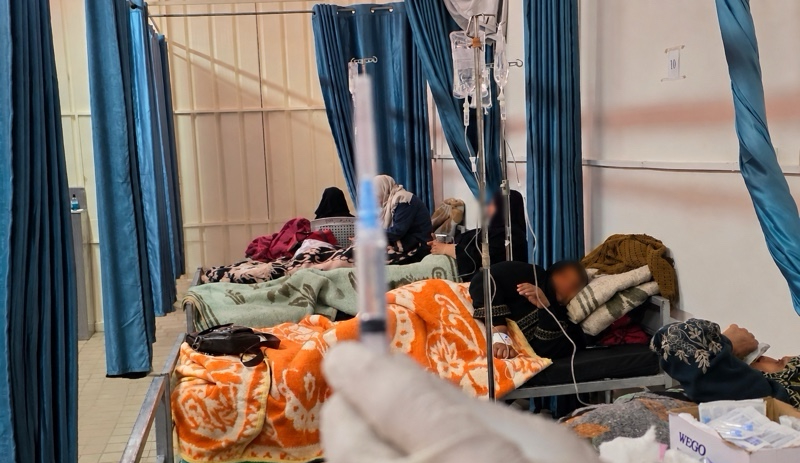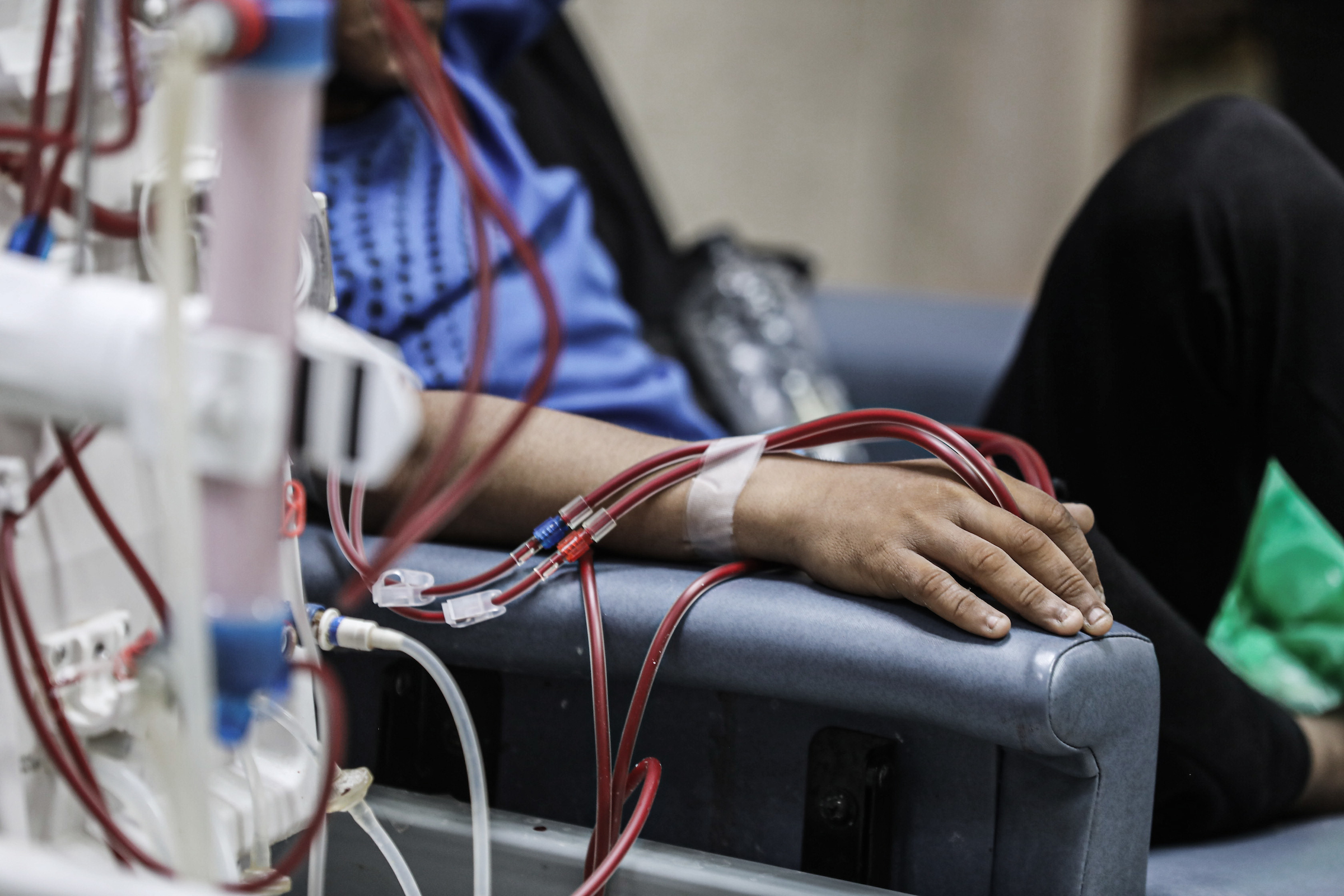
The Palestinian Centre for Human Rights (PCHR) warns of the imminent danger threatening the lives of approximately 650 kidney failure patients in the Gaza Strip following the depletion of sodium bicarbonate, an essential component of dialysis solution without which dialysis sessions cannot be conducted safely or effectively. As a result of this acute shortage, hospitals have been forced to reduce both the duration and frequency of dialysis sessions, exposing patients to severe health complications that may ultimately lead to death.
Reduced dialysis sessions result in the accumulation of toxins and excess fluids in patients’ bodies, increased blood acidity, respiratory distress caused by fluid accumulation in the lungs, swelling of the extremities, loss of appetite, extreme fatigue, and rapid deterioration of patients’ health conditions, making uninterrupted treatment literally a matter of life or death. PCHR emphasizes that depriving kidney failure patients of the sodium bicarbonate required for their treatment is not merely a temporary supply shortage; rather, it constitutes another component of the policy of comprehensive medical strangulation, which relies on destroying healthcare facilities, killing doctors, targeting paramedics, and preventing the entry of medicines in order to achieve the same result: the physical destruction of civilians and patients in the Gaza Strip.
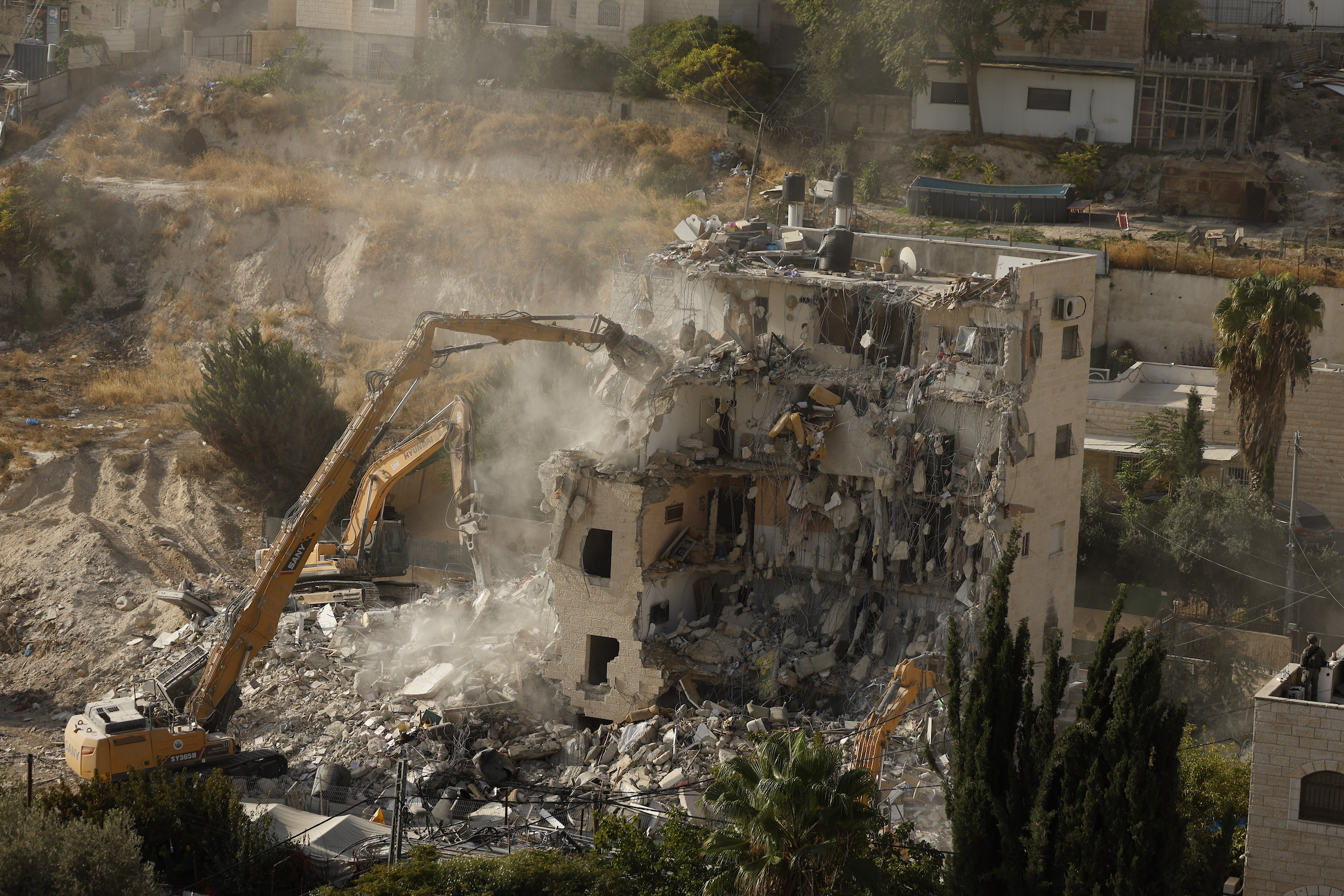
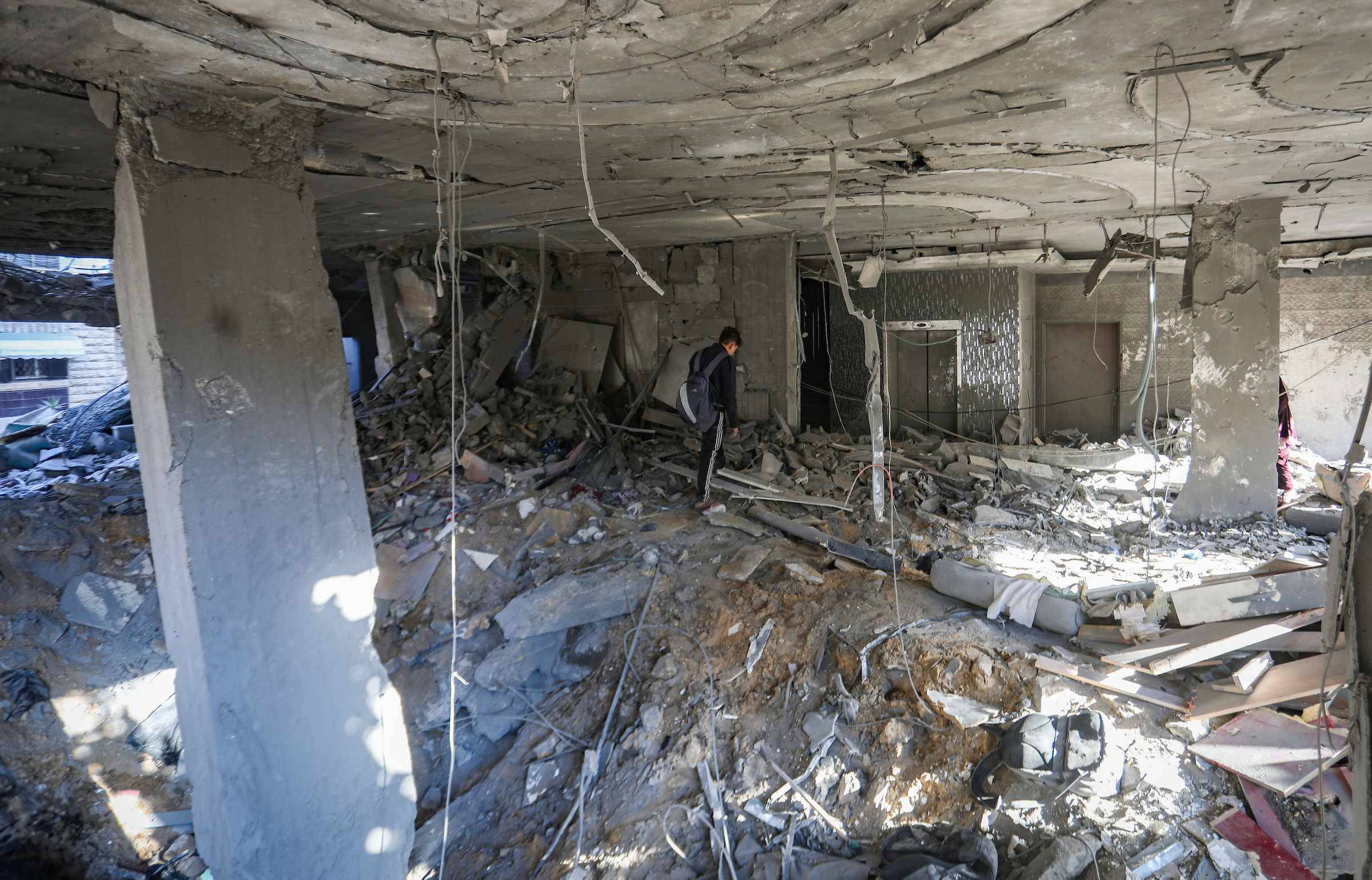
The current crisis threatening the lives of kidney failure patients cannot be viewed in isolation from the systematic destruction inflicted upon the healthcare system in the Gaza Strip since 7 October 2023. Israel’s military offensive has rendered the majority of hospitals and medical facilities inoperative as a result of direct attacks, destruction, siege, and the continued prevention of the entry of medical equipment, spare parts, and fuel. Consequently, more than 1,800 healthcare facilities have been wholly or partially damaged.1
Despite sustained efforts to restore services, 18 out of Gaza’s 36 hospitals2, 82 out of 145 primary healthcare centers, and 194 out of 360 medical points remain out of service throughout the Gaza Strip.
Despite the ceasefire agreement, the Israeli Occupying Forces (IOF) continue to prevent the entry of a wide range of essential medical supplies into the Gaza Strip, severely undermining efforts to restore and expand healthcare services. These restricted items include electrical generators, fuel and related spare parts required to provide electricity to health facilities, ambulance spare parts, medical oxygen stations and oxygen equipment and supplies, defibrillators, ventilators, electrocardiogram (ECG) machines, patient monitoring equipment, diagnostic imaging devices such as X-ray, MRI, and CT scanners, laboratory reagents and equipment, internal and external fixation devices for fractures, cardiac catheterization equipment, medicines and supplies for cancer treatment, routine immunization vaccines, pain medication, chlorine tablets and intravenous fluids, in addition to information and communications technology (ICT) equipment necessary to strengthen early warning, emergency response, and health information management systems3.
Healthcare personnel have also been subjected to an unprecedented pattern of systematic targeting. According to the Palestinian Ministry of Health, more than 1,700 healthcare workers, including physicians, nurses, paramedics, and other medical staff, have been killed. In addition, more than 300 healthcare professionals have been arrested or forcibly disappeared and subjected to torture4.
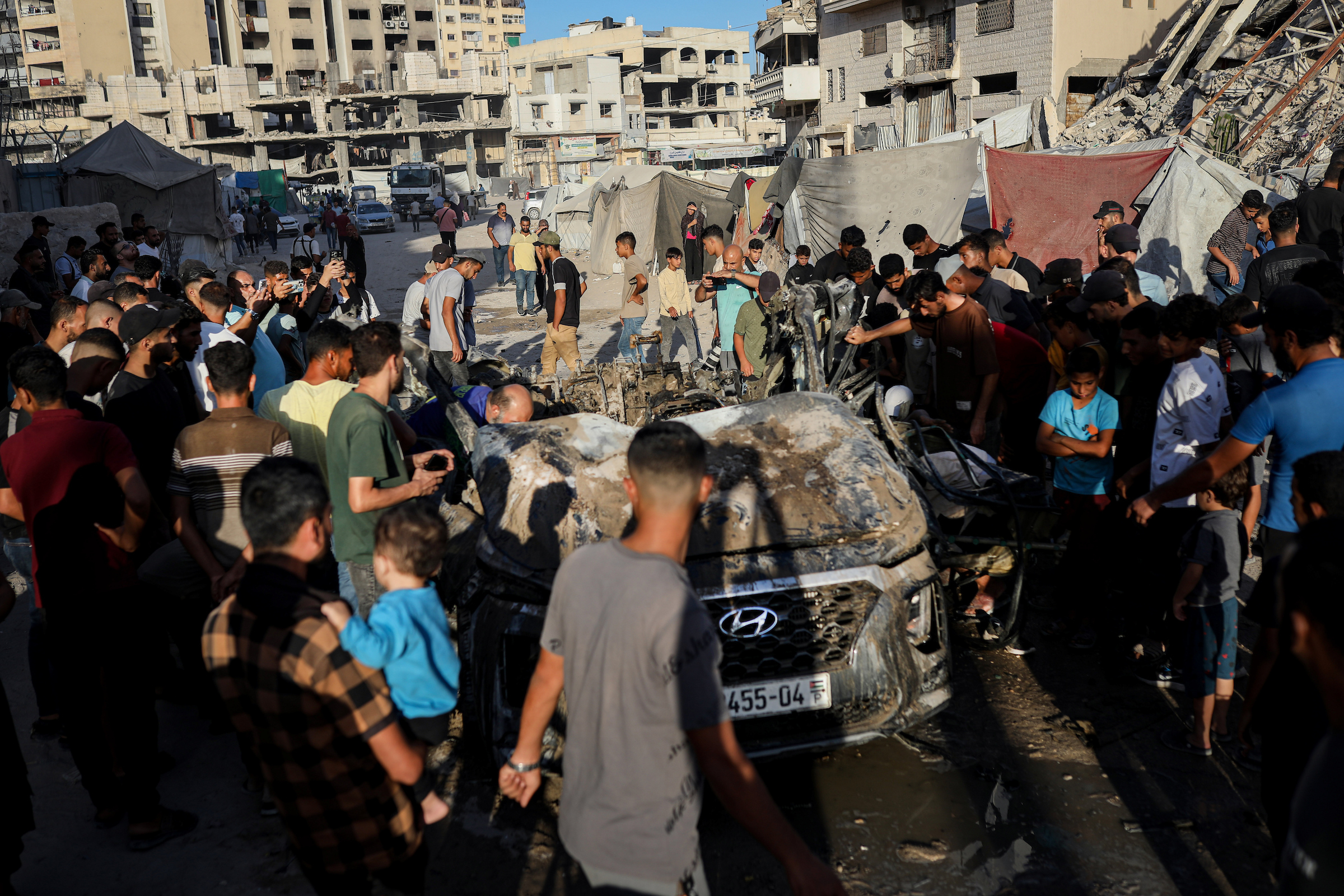
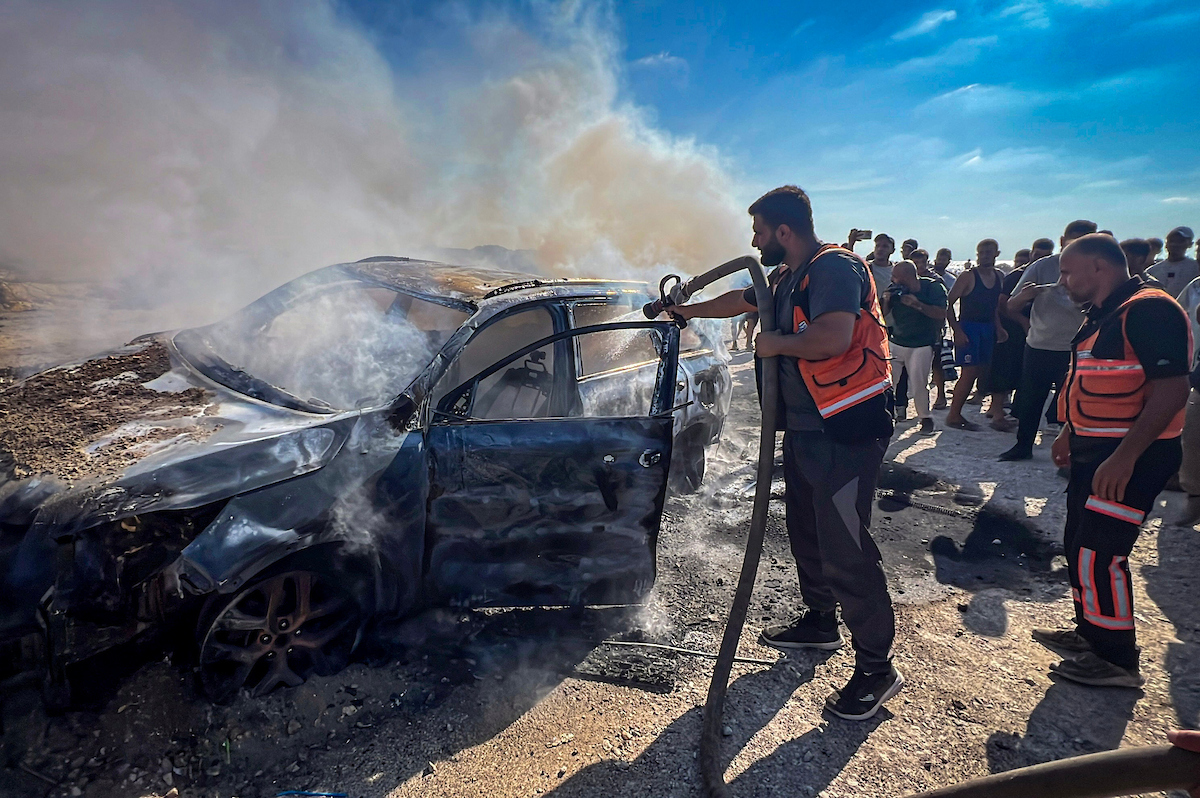
The IOF have also deliberately targeted medical transportation. A total of 144 ambulances have been destroyed and/or rendered inoperable, while the continued prohibition on the entry of ambulance spare parts and new ambulances has severely crippled the health sector’s emergency response capacity5.
At the same time, Israel continues to impose severe restrictions on the travel of patients seeking treatment outside the Gaza Strip. Currently, 20,863 patients suffering from serious illnesses remain on waiting lists for permission to travel abroad for medical treatment, including 5,342 children under the age of 18. Among them, 2,194 patients are in critical need of urgent medical evacuation, while 189 patients are in extremely critical condition and face an imminent risk of death6.
Meanwhile, the healthcare facilities that continue to operate only partially are facing an enormous energy crisis. Hospitals require substantial and uninterrupted electricity supplies to maintain essential services, yet the generators currently in use cannot operate around the clock due to severe shortages of engine oil and spare parts.
These facilities are also experiencing an acute shortage of medicines and medical supplies. Approximately 50 percent of essential medicines and 70 percent of medical consumables have run out, while the number of patients requiring medical care continues to increase at an unprecedented rate7.
Against this backdrop, the suffering currently endured by kidney failure patients represents yet another chapter in the systematic destruction of Gaza’s healthcare system. The crisis extends far beyond the depletion of sodium bicarbonate and includes severe shortages of essential medicines and medical supplies required for the treatment of kidney disease.
These shortages include medications used to treat anaemia, particularly erythropoietin, intravenous iron preparations, medications for regulating calcium and phosphorus levels, as well as essential vitamins and therapeutic solutions.
The absence of these medicines results in serious health complications, most notably severe anaemia requiring repeated blood transfusions, increased strain on the heart muscle, elevated risks of heart failure, and other life-threatening complications.
The shortages also extend to essential dialysis consumables, including dialysis filters, tubing, and dialysis solutions, in addition to the lack of critical laboratory tests, such as calcium, phosphorus, electrolyte, and specialised hormonal testing for kidney patients.
This reality significantly undermines the ability of medical teams to properly assess patients’ health conditions, monitor their response to treatment, and accurately adjust medication dosages. It also substantially increases the likelihood that serious complications—including electrolyte imbalances, mineral disorders, bone disease, and cardiovascular complications—will go undetected until patients’ conditions have deteriorated considerably8.
Dr. Ghazi Al-Yazji, Head of the Nephrology and Kidney Transplant Department at Al-Shifa Medical Complex9, stated that kidney failure patients are currently facing a severe shortage of sodium bicarbonate, a fundamental component of dialysis solution. Sodium bicarbonate is used to correct excess blood acidity and maintain the body’s acid-base balance, thereby ensuring the effectiveness of dialysis sessions and reducing potentially life-threatening complications.
Dr. Al-Yazji explained that the shortage has forced 25 of the 51 dialysis machines at Al-Shifa Medical Complex out of service. Al-Shifa is one of only four healthcare facilities that continue to provide dialysis services in the Gaza Strip.
As a consequence, medical teams have been compelled to reduce the duration of dialysis sessions from four hours to three hours and to decrease the number of weekly sessions from three to two, significantly increasing the health risks facing patients.
Dr. Al-Yazji further stressed that the crisis extends well beyond the shortage of medical supplies. It is compounded by repeated electricity outages and the severe shortage of fuel required to operate hospital generators, both of which directly affect the continuity and efficiency of dialysis services. He explained that whenever electricity is interrupted during a dialysis session, the machines must be restarted—a process that takes approximately ten minutes. This reduces the effective treatment time available to patients, disrupts the regularity and effectiveness of dialysis sessions, and substantially increases the health risks threatening their lives.
Dr. Al-Yazji also noted that the majority of dialysis machines currently operating in the Gaza Strip have long exceeded their recommended operational lifespan of approximately 20,000 operating hours and should have been replaced years ago to ensure patient safety and treatment efficiency. However, the ongoing blockade and the systematic destruction of Gaza’s healthcare system have prevented the entry of new machines or the replacement of obsolete equipment, forcing medical staff to continue operating aging machines despite their declining efficiency and increasing likelihood of breakdown.
Kidney failure patients are also enduring extremely harsh humanitarian conditions imposed by Israel’s military offensive on the Gaza Strip since 7 October 2023. Due to the scarcity of transportation and the prohibitive cost of travel, many patients are forced to walk long distances to reach dialysis centres, often arriving physically exhausted and unable to endure treatment.
Others are compelled to miss scheduled dialysis sessions altogether because they are unable to reach hospitals on time, further aggravating their medical conditions and placing their lives at serious risk.
The widespread hunger and malnutrition prevailing across the Gaza Strip have also caused an unprecedented deterioration in the health of kidney failure patients. These patients require carefully balanced and specialised diets to maintain their health; however, severe food shortages and deprivation of essential nutritional requirements have resulted in increased rates of wasting, significant weight loss, weakened immune systems, and a diminished capacity to tolerate dialysis sessions, while also increasing the likelihood of developing serious complications.
The severe shortage of safe drinking water further compounds the crisis by depriving patients of one of the most basic prerequisites for healthcare. It undermines their ability to maintain personal hygiene and safely prepare food, thereby increasing their vulnerability to infections and other associated illnesses.
At the same time, a number of patients requiring kidney transplantation outside the Gaza Strip continue to be denied permission to travel to the hospitals to which they have been referred for life-saving treatment. Meanwhile, patients who have previously undergone kidney transplantation are facing enormous difficulties in accessing regular medical examinations and obtaining immunosuppressive medications on a consistent basis, placing them at serious risk of transplant failure and life-threatening complications.
Researchers at PCHR have documented testimonies from a number of kidney failure patients that reflect the magnitude of the humanitarian suffering resulting from the collapse of the healthcare system and the continued prevention of the entry of medicines and essential medical supplies necessary to sustain their treatment.
An’am Al-Attar, 21, originally from Al-‘Atatra neighbourhood in Beit Lahia and currently displaced to Deir al-Balah, who has suffered from kidney failure since birth, told PCHR’s researcher10:
“I began my treatment journey about nine years ago. I used to receive three dialysis sessions every week, each lasting between three and four hours, which greatly helped stabilize my health condition.
During the war, however, my treatment has been repeatedly disrupted, particularly during the famine, when the lack of food suitable for kidney failure patients caused my health to deteriorate significantly.
I was often forced to walk long distances to reach the hospital, arriving completely exhausted and unable to cope with the treatment. At the same time, dialysis sessions became increasingly irregular because of the growing number of patients, the limited number of dialysis machines, and the continuing shortage of medical supplies. On many occasions, treatment sessions were postponed due to electricity outages and interruptions in the operation of the dialysis machines.
Today, the severe shortage of essential medicines and medical supplies required for treatment threatens the lives of all kidney failure patients. Our lives have become entirely dependent on the continuation of dialysis sessions and the availability of the supplies needed to perform them.”
Similarly, Rami Abu Mu’awwad, 3211, originally from Jabalia Refugee Camp and currently displaced to Deir al-Balah, who has suffered from kidney failure since childhood, stated to PCHR’s researcher:
“I have been undergoing dialysis three times a week since 2009, and my health condition had remained relatively stable. However, the war has completely turned my life upside down.
I have been forcibly displaced several times and lived in extremely harsh humanitarian conditions in makeshift tents, where every day I struggled to reach dialysis sessions because there was virtually no transportation available, while shortages of dialysis machines and medical supplies continued unabated.
Four forms of suffering have come together at once: illness, displacement, hunger, and poverty.
Malnutrition during the famine severely worsened my health condition, and I have lost a number of fellow patients who died after their health deteriorated.
Today, we live in constant fear that dialysis sessions will come to a halt because essential medical supplies—particularly sodium bicarbonate, dialysis filters, and dialysis solutions—have run out.
We are also facing an acute shortage of medicines. Whereas I used to receive the full monthly quantity of calcium tablets, I now receive only a small fraction of what I need. Vitamins and nutritional supplements have completely disappeared, while erythropoietin, an essential medication used to treat anaemia among kidney failure patients, has been unavailable for months.
In the absence of this treatment, patients have no option but to rely on blood transfusions, which are themselves scarce and not consistently available.
My life—and the lives of hundreds of kidney failure patients across the Gaza Strip—are under real threat as we continue to be deprived of life-saving treatment.”
The suffering endured by kidney failure patients in the Gaza Strip forms an integral part of a systematic policy that has accelerated the destruction of patients’ lives, particularly after causing the deaths of 472 kidney failure patients since October 2023 and destroying 78 out of 140 dialysis machines, in addition to targeting hospitals and specialized healthcare facilities, including dialysis centres throughout the Gaza Strip.
One of the most striking examples is the demolition of the Noura Al-Kaabi Dialysis Centre at the Indonesian Hospital, the only dialysis centre serving hundreds of patients in the northern Gaza Strip. The centre had previously sustained extensive damage after being repeatedly targeted by the IOF, with earlier attacks destroying all but eight dialysis machines, which continued operating at reduced capacity until the centre was completely forced out of service in May 2025 before being entirely demolished on 1 June 2025.12
PCHR emphasizes that depriving patients in the Gaza Strip of life-saving treatment, preventing the entry of medicines and essential medical supplies, and destroying or disabling specialized healthcare services constitute grave violations of international humanitarian law and international human rights law.
Under the Fourth Geneva Convention of 1949, the Occupying Power is obligated to ensure the provision of medical care and healthcare supplies to the civilian population in occupied territory pursuant to Articles 55 and 56. Moreover, the wilful infliction of great suffering or serious injury to health constitutes a grave breach under Article 147 of the Convention.
These acts also fall within the scope of the Convention on the Prevention and Punishment of the Crime of Genocide (1948), particularly Article II(c), which criminalizes deliberately inflicting on a protected group conditions of life calculated to bring about its physical destruction in whole or in part. This is reflected in the systematic deprivation of medical treatment, the targeting of the healthcare system, and the continued prevention of the entry of essential medical supplies.
Furthermore, these practices constitute crimes against humanity under Article 7 of the Rome Statute of the International Criminal Court, including murder, extermination, and other inhumane acts intentionally causing great suffering or serious injury to physical or mental health.
They likewise amount to war crimes under Article 8 of the Rome Statute, particularly through attacks against medical facilities, the denial of medical treatment to civilians, and the deliberate imposition of living conditions that result in death or severe deterioration of health.
These practices also constitute a flagrant violation of Article 12 of the International Covenant on Economic, Social and Cultural Rights (ICESCR), which guarantees the right of everyone to the enjoyment of the highest attainable standard of physical and mental health and obliges States to take the necessary measures to prevent disease and ensure access to essential healthcare without discrimination, including during armed conflict.
Accordingly, PCHR calls upon the international community, the United Nations, the World Health Organization (WHO), the International Committee of the Red Cross (ICRC), and the High Contracting Parties to the Geneva Conventions to exert immediate pressure on Israel to:
PCHR stresses that the continuation of this situation poses a direct existential threat to the lives of patients throughout the Gaza Strip. Urgent international intervention is no longer merely a moral imperative; it is an immediate legal and humanitarian obligation to protect the fundamental rights to life and health.