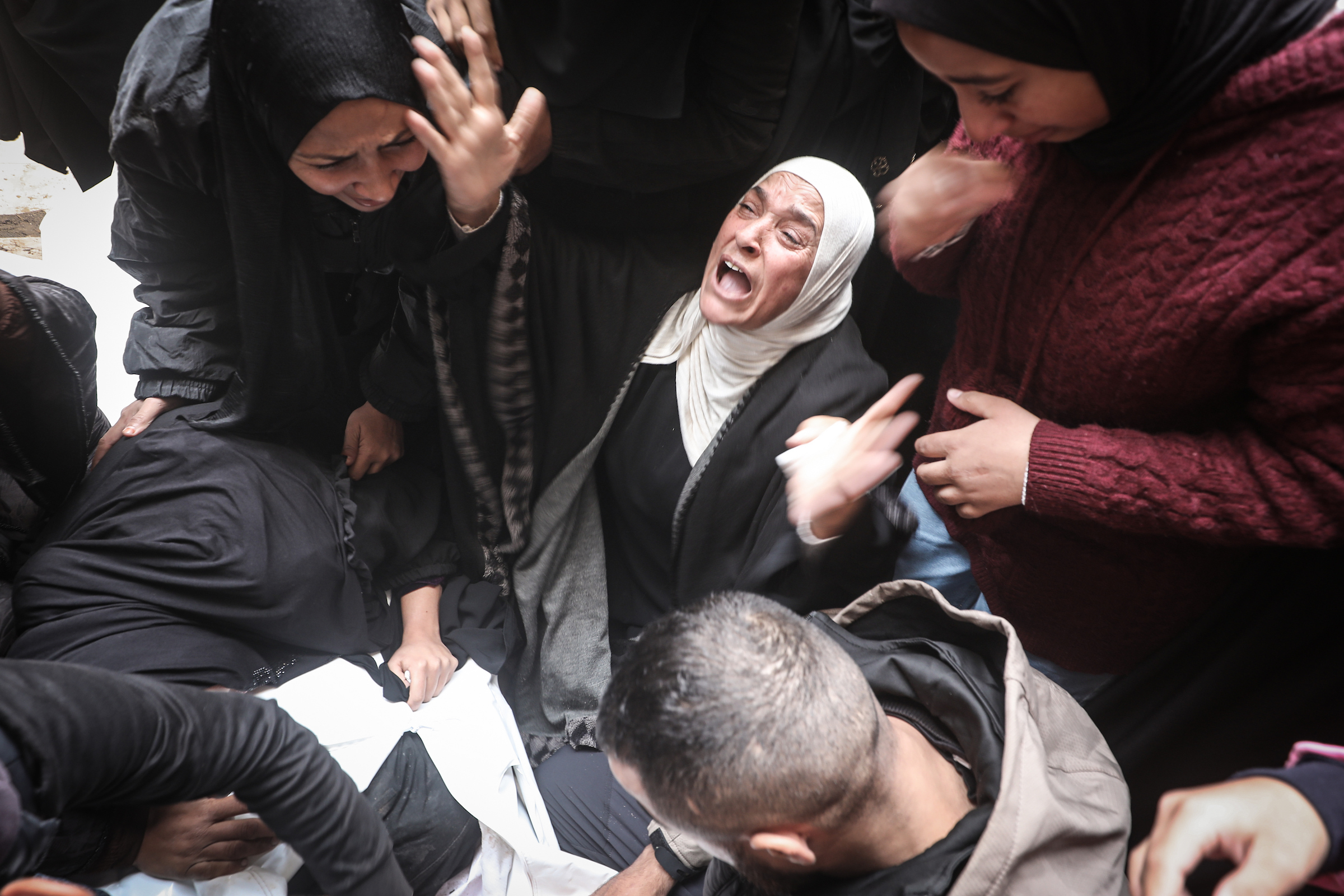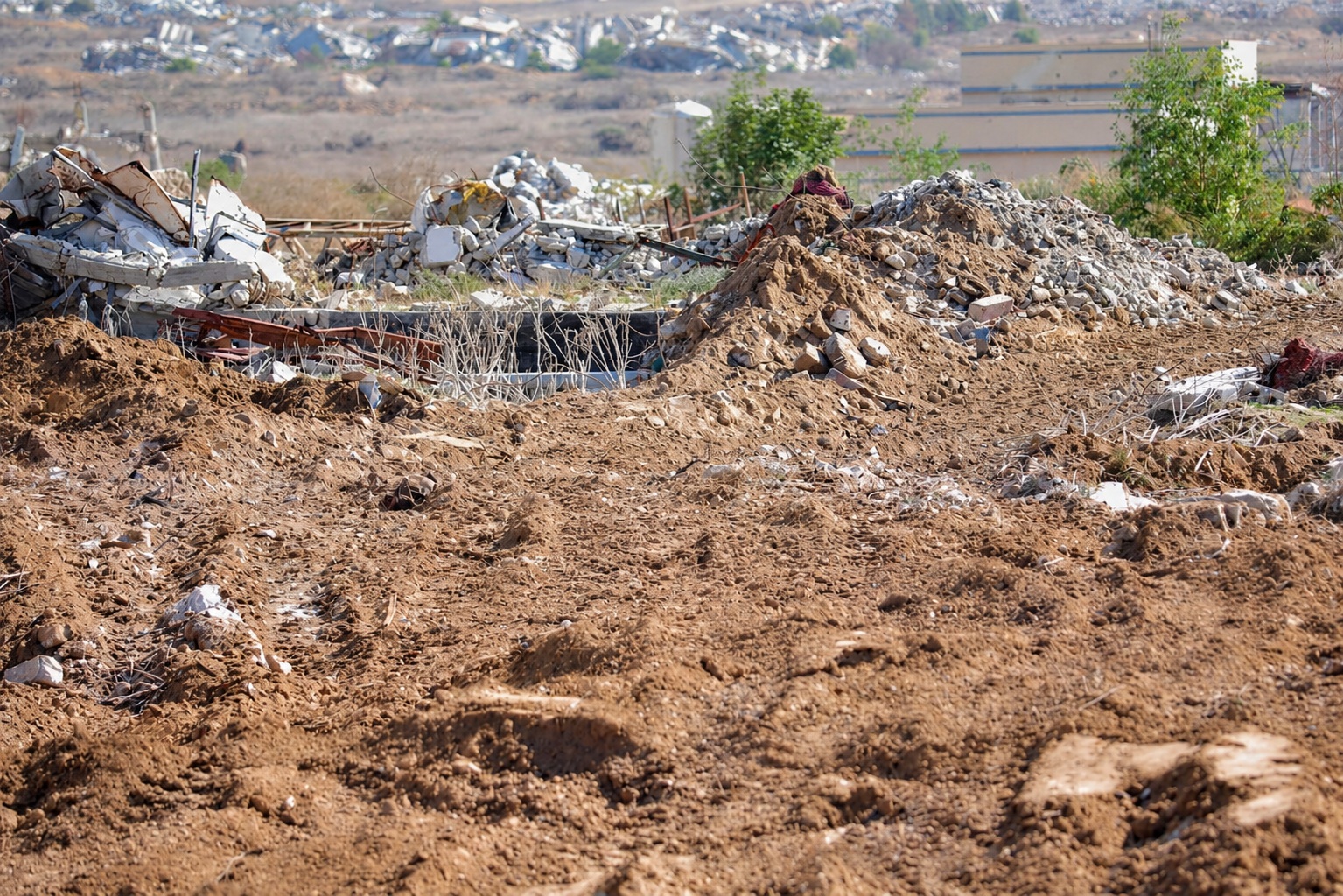
The Palestinian Centre for Human Rights (PCHR) today released a new report entitled “A Year Since Ceasefire: Ongoing Genocide in the Gaza Strip,” marking one year since the ceasefire agreement entered into force on 10 October 2025, and three years since the onset of the crime of genocide. The report concludes that although the agreement reduced the intensity of attacks, it did not bring the genocidal acts to an end. Israel has continued to kill Palestinians, cause them serious bodily or mental harm, and deliberately inflict on them conditions of life calculated to bring about their physical destruction, in whole or in part. These constitute three of the acts stipulated in Article II of the Convention on the Prevention and Punishment of the Crime of Genocide (Genocide Convention).
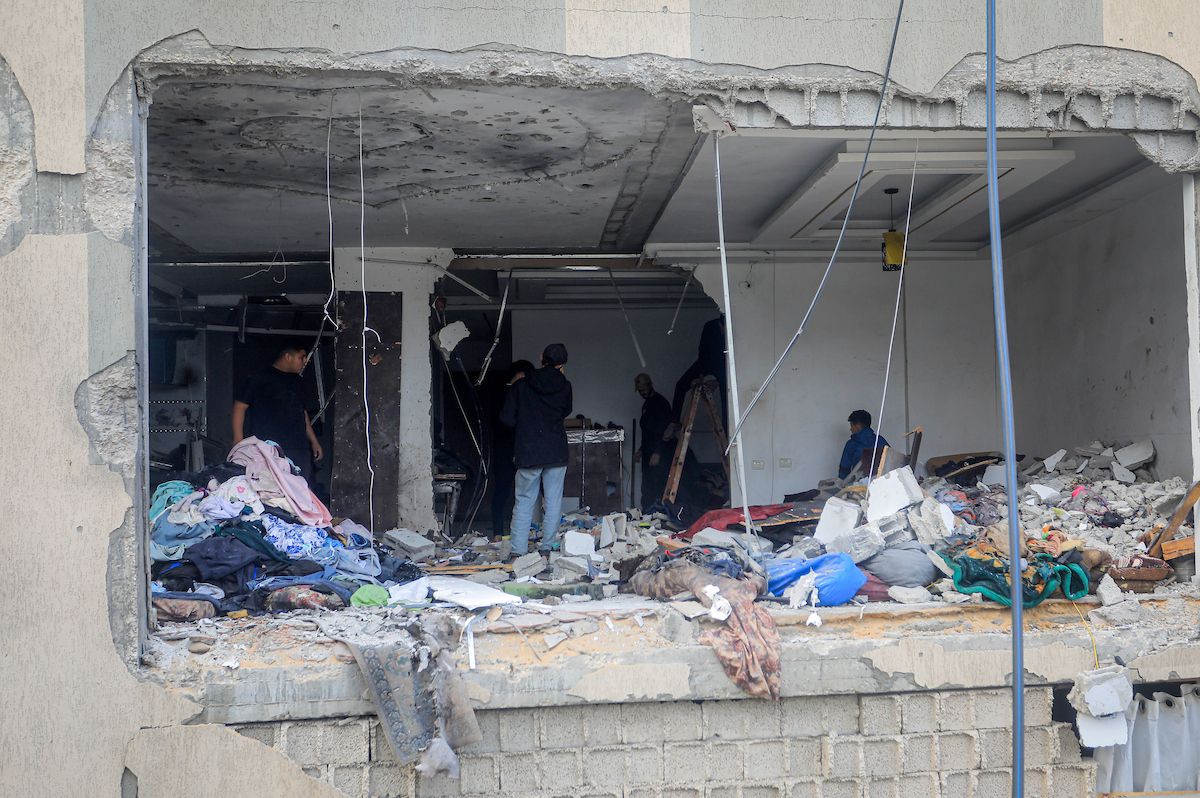
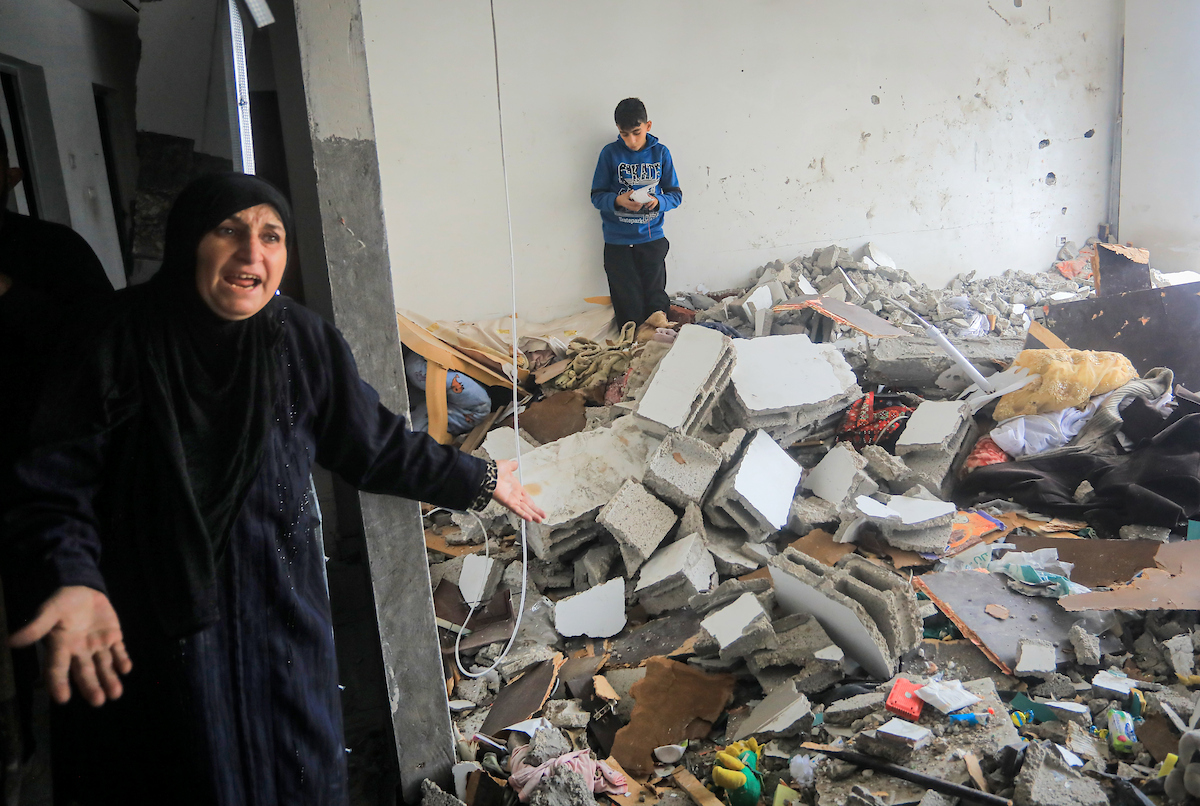
The report documents the continuation of killings through less intensive and more selective methods, with no fundamental change in the locations targeted or the identities of those killed. Patterns of daily killings have remained largely unchanged from those witnessed before the agreement, at the height of military operations. These mostly significantly include the bombardment of homes with their residents inside; attacks on civilian gatherings; the continued killing of displaced persons inside tents and shelters; killings near what is known as the “Yellow Line” and in Access Restricted Areas (ARAs); the targeting of civilian police officers and personnel responsible for maintaining public order; and the killing of civilians seeking food and other basic necessities for their survival.
According to the report, since the ceasefire agreement entered into force and until early October 2026, Israeli Occupation Forces (IOF) have killed at least 1,445 Palestinians and injured 5,072 others. Available casualty data as of 3 October 2026 reported 312 children and 139 women among those killed. Meanwhile, the Ministry of Health has recorded 74,228 Palestinians killed and 175,188 others injured since the beginning of the Israeli military offensive in October 2023. This toll means that approximately one in every nine residents of the Gaza Strip has been killed or injured, excluding those still missing beneath the rubble and deaths resulting from deprivation of the basic necessities of life.
The report further establishes that the ceasefire has done nothing to halt the infliction of serious bodily or mental harm on the population of the Gaza Strip. Approximately 2,500 new injuries requiring rehabilitation were recorded during the year following the agreement, which proved fragile and ineffective. The cumulative toll since October 2023 has reached approximately 43,000 potentially life-changing injuries, including amputations, spinal cord and brain injuries, and severe burns. The report also underscores that many injured people are discharged from hospitals only to return to tents and damaged buildings wholly unsuitable for recovery. Meanwhile, shortages of rehabilitation services, prosthetic limbs and assistive devices compound their suffering and threaten the physical development, mobility and learning of injured children.
The report also stresses that Gaza’s population has yet to enter a “post-trauma” phase, as the conditions driving this trauma remain in place. Thousands of families are still waiting to learn the fate of missing relatives, recover their bodies from beneath the rubble, secure approval for a sick family member to travel for treatment, or find an opportunity to return home or earn a living. An assessment published in April 2026, cited in the report, found that more than 60% of young people exhibited moderate to severe levels of anxiety, fear and hopelessness about the future. The psychological toll is compounded by parents’ inability to meet their children’s basic needs, children’s persistent sleep disturbances, fear and social withdrawal, and the exhaustion of healthcare workers who continue treating others while enduring loss and displacement themselves.
The report documents the severe harm of the genocide inflicted on families across the Gaza Strip. Approximately 60,000 children have lost one or both parents, while more than 26,000 women have been widowed. The loss of a family’s breadwinner leaves surviving women shouldering the burden of caring for their families without income, housing or essential services. Children, meanwhile, are deprived of the protection and stability they need. The report emphasizes that the persistence of these conditions throughout the year of the ceasefire has kept grief, fear and helplessness at the center of daily life, undermining people’s ability to imagine a future in which they can restore their lives.
Through documenting Israel’s continued deliberate infliction of conditions of life calculated to bring about the physical destruction of Palestinians, in whole or in part, the report examines how Israeli restrictions have placed medical treatment, housing, food and other basic necessities of survival beyond the reach of large segments of the population. Approximately 47% of essential medicines have run out, while more than 20,000 patients and injured people require medical treatment outside the Gaza Strip. These restrictions have resulted in 1,628 patients dying while awaiting medical evacuation over the three years of the war. Cancer, kidney, heart and diabetes patients consequently remain dependent on intermittent treatment, with continued access to care hinging on the availability of medicines, fuel and medical consumables, as well as Israeli approval for patients to travel.
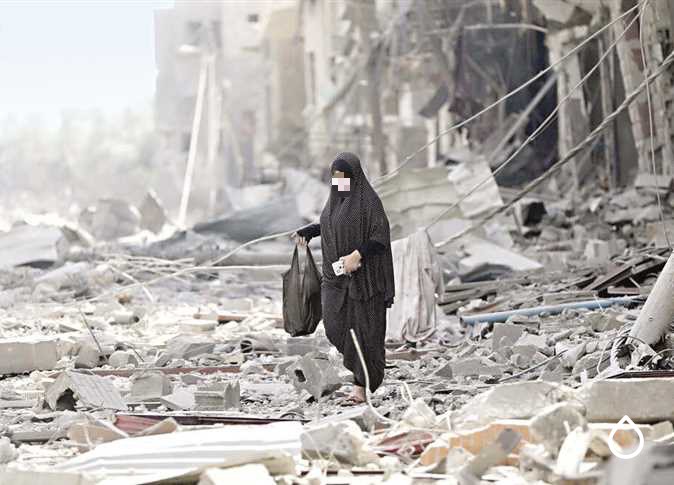
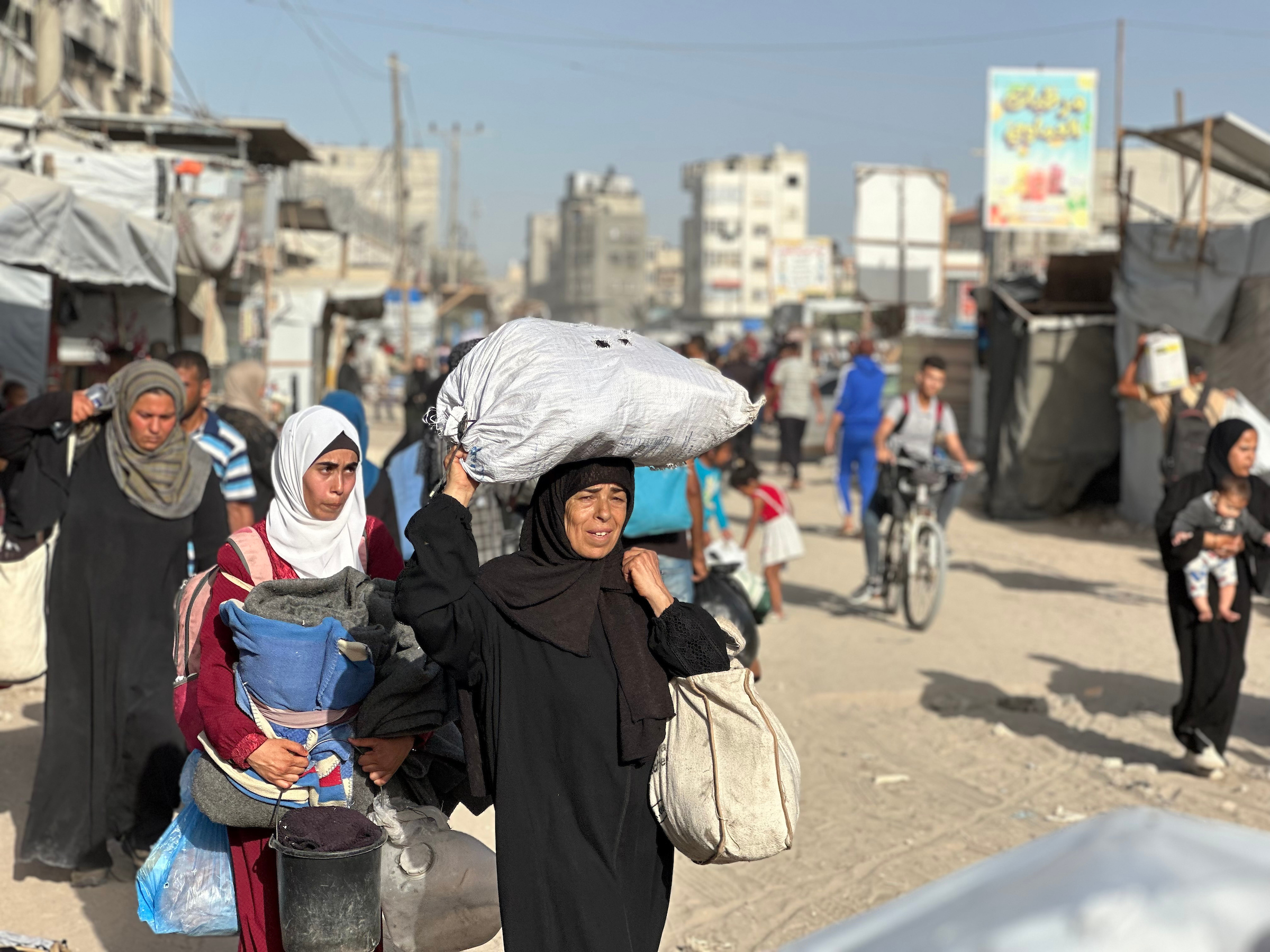
According to the report, one year after the ceasefire agreement, the right to adequate housing and safe shelter remains far from being restored. In June 2026, approximately 94% of the population required shelter and non-food item assistance. At the same time, nearly two-thirds of the Gaza Strip remained under Israeli military control, confining most of its population to a limited geographical area. Hundreds of thousands of people continue to live in dilapidated tents that offer no sufficient protection from extreme heat, cold or rain, or in damaged and cracked buildings where families have been forced to seek refuge despite the serious risks to their lives and safety. The report documents deaths caused by the collapse of damaged buildings, while restrictions on reinforcing materials, inspection equipment and rescue machinery have persisted. These restrictions, alongside the continued destruction, have obstructed the transition from emergency shelter to reconstruction.
The report also analyses the movement of incoming trucks between 13 October 2025 and 16 August 2026. Its findings show that an average of only approximately 211 trucks entered the Gaza Strip daily, compared with the announced target of 600 trucks under the ceasefire arrangements. The daily average of humanitarian aid trucks declined by approximately 41% between the first and last monitored periods, while the number of private-sector trucks increased markedly. This decline occurred as families continued to depend on humanitarian assistance and community kitchens for their survival. At the same time, restrictions on the entry of fuel, raw materials, energy equipment and repair supplies prevented the restoration of local productive capacity, including the ability to produce food and generate employment.
Economic conditions also continued to deteriorate throughout the year following the agreement. The Gaza Strip’s economy contracted by approximately 5% in the first quarter of 2026 compared with the previous quarter, following an unemployment rate of approximately 78% in 2025. Factories, workshops, farms and fishing boats remained unable to resume operations due to widespread destruction, access restrictions and shortages of equipment and production inputs. The presence of some goods in markets has done little to restore families’ purchasing power. Having lost their sources of income, families have been forced to cut meals, incur debt and sell their remaining possessions. Many have also had to postpone medical treatment to meet daily needs that cannot be postponed.
According to the report, Israeli restrictions have also undermined water and sewage networks, waste management and rubble removal. As a result, residents remain exposed to sources of pollution, disease and remnants of war, while efforts to repair and restore the regular operation of essential services continue to be obstructed.
Children in the Gaza Strip have also been deprived of formal education for the fourth consecutive academic year. A large number of schools have been destroyed or turned into shelters for displaced people, forcing education to continue in temporary learning spaces that lack the basic conditions for safe and appropriate schooling. This disruption has coincided with hunger, displacement, injuries and the loss of income, depriving hundreds of thousands of children of regular education and increasing the risks of school dropout and entry into the labor market, including through child labor. Children with disabilities face even greater barriers to accessing education, rehabilitation services and the support they need.
In its report, PCHR calls on the international community to take immediate action to halt the genocidal acts and protect the population of the Gaza Strip. It urges States Parties to the Genocide Convention to stop supplying Israel with weapons and ammunition, suspend all forms of cooperation that could contribute to the continuation of these crimes, and ensure Israel’s compliance with the provisional measures ordered by the International Court of Justice.
PCHR further calls for end of the siege and the opening of all crossings to ensure that the population’s basic needs are met, facilitate the medical evacuation of patients and injured people, and allow the entry of materials and equipment required to repair homes and infrastructure, restore essential services and livelihoods. It also calls for an end to plans for the forced displacement of Palestinians and the withdrawal of IOF to enable displaced persons to return voluntarily, safely and with dignity to their areas of origin. Finally, PCHR stresses the need to support efforts to hold those responsible for crimes accountable before the International Criminal Court and competent national courts, and to ensure justice and redress for Palestinian victims.