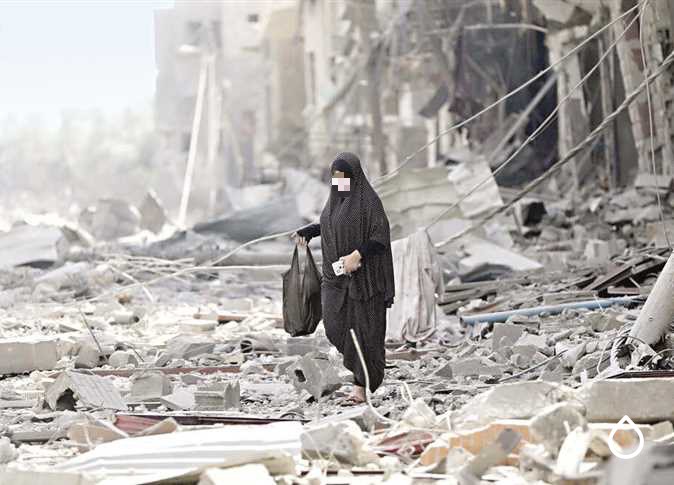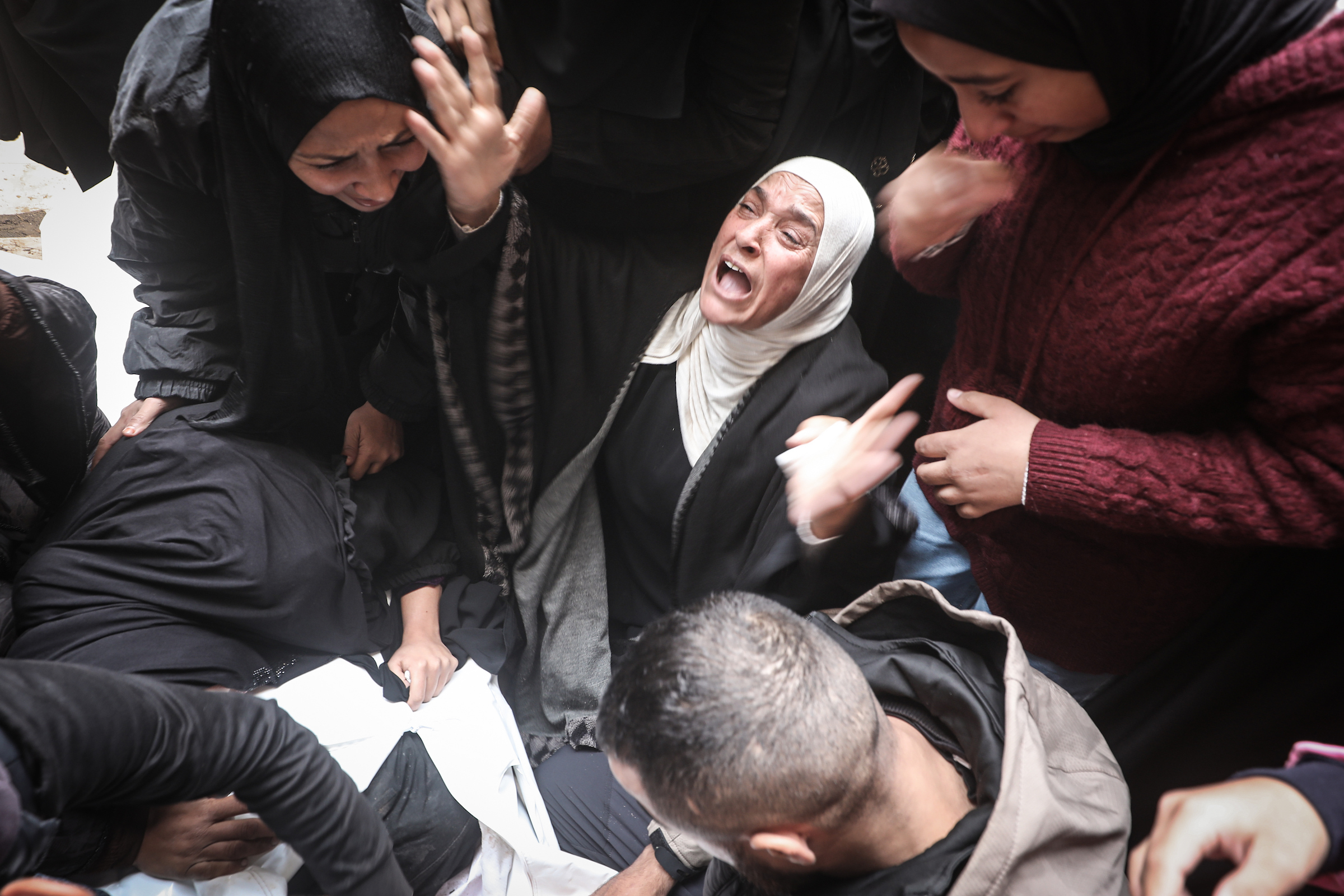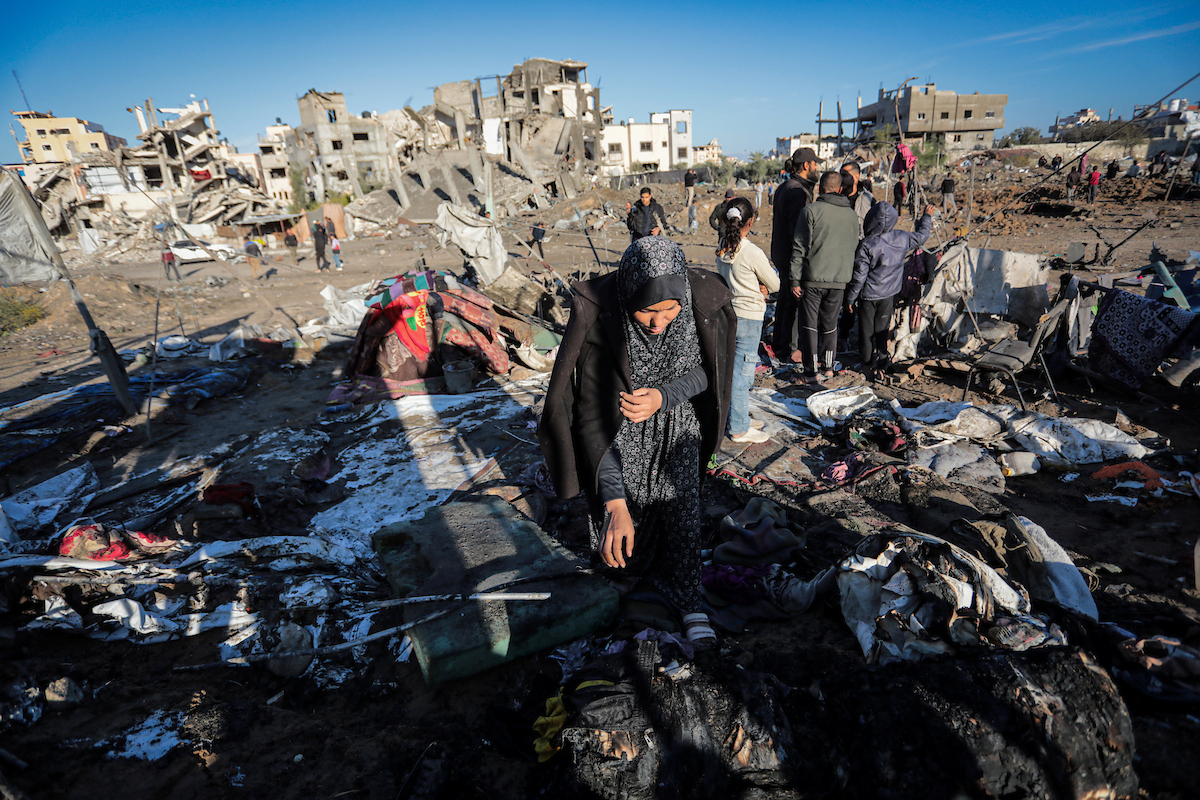
Today, 25 November, marks the International Day for the Elimination of Violence against Women and the launch of the 16 Days of Activism against Gender-Based Violence. This occasion comes as Palestinian women continue to bear the devastating consequences of Israel’s policies of genocide and erasure, paying an immeasurable price in terms of their lives, rights and dignity. These policies, pursued by the Israeli Occupation Forces (IOF), target the very existence of the Palestinian people across the occupied Palestinian territory (oPt). In the Gaza Strip, as Israel’s genocidal war enters its fourth year, the ceasefire has failed to bring an end to the killing and suffering. Israeli attacks continue to claim the lives of women and girls, while women survivors face an equally devastating reality amid the rubble of destroyed homes and in tents that provide neither safe shelter nor adequate protection of their privacy. They endure catastrophic living conditions marked by hunger, disease and profound loss. In the West Bank, including East Jerusalem, Israeli policies aimed at forcibly displacing Palestinians and uprooting them from their land are intensifying through killings, arrests, home demolitions, forced displacement, settlement expansion and settler attacks. These practices form part of ongoing efforts to undermine the very conditions necessary for Palestinian survival and to entrench Israel’s control over Palestinian land. Against this backdrop, Palestinian women face an existential threat that extends far beyond violations of their fundamental rights. Their very lives and continued presence on their land are under attack, as they are forcibly uprooted from their homes and communities and denied their right to live in safety and dignity in their homeland.
The slogan of this year’s campaign, “UNITE to End Violence against Women and Girls: Ensure Justice, Protect Survivors, End Impunity,” carries particular significance from a human rights and legal perspective in the Palestinian context, particularly in the wake of the landmark judgment delivered by the International Court of Justice (ICJ) on 19 November 2026. In its judgment in The Gambia v. Myanmar, the Court found Myanmar responsible for committing genocide against the Rohingya, including women and girls who were subjected to grave violations in Myanmar. This landmark ruling affirmed State responsibility for the crime of genocide and marked a historic step towards justice for victims and survivors. While this judgment represents a significant milestone in the pursuit of justice for the Rohingya, Palestinian women continue to await international justice for the crime of genocide committed against them and accountability for those responsible. The significance of upholding the integrity and independence of the international justice system is all the more pressing amid US sanctions targeting the International Criminal Court (ICC), several of its judges and prosecutors, as well as Palestinian human rights organizations cooperating with the Court. Such measures seek to undermine accountability efforts and obstruct victims’ access to justice.
Justice for Palestinian women is an inalienable right that cannot be compromised. It requires holding those responsible for the crime of genocide accountable, ensuring victims and survivors have access to effective remedies and reparations, and safeguarding their rights free from political interference or selectivity that obstructs international justice mechanisms and entrenches impunity.
The toll of casualties among women and girls in the year following the ceasefire underscores the scale of the ongoing tragedy facing women in the Gaza Strip. During this period, 277 women and girls were killed,1 bringing the estimated total number of women and girls killed since October 2023 to more than 38,000. A further 23,769 women and girls sustained injuries during the same period, including 11,700 who suffered serious injuries that left them with permanent or long-term disabilities.2 These figures reveal an ongoing tragedy that extends far beyond the immediate moment of injury. Thousands of women survivors face a future marked by disabilities, chronic pain and psychological trauma, amid the collapse of healthcare and rehabilitation services and the severe shortage of opportunities to access treatment.
At the healthcare level, the ceasefire has failed to bring about the restoration of essential medical services, as women continue to bear the consequences of the collapse of the healthcare system and persistent shortages of medicines and medical supplies. Pregnant and breastfeeding women, as well as women with cancer, chronic illnesses and disabilities, are bearing the brunt of this crisis amid severe difficulties in accessing medical treatment, healthcare and reproductive health services, compounded by restrictions on travel abroad to seek treatment outside the Strip.3
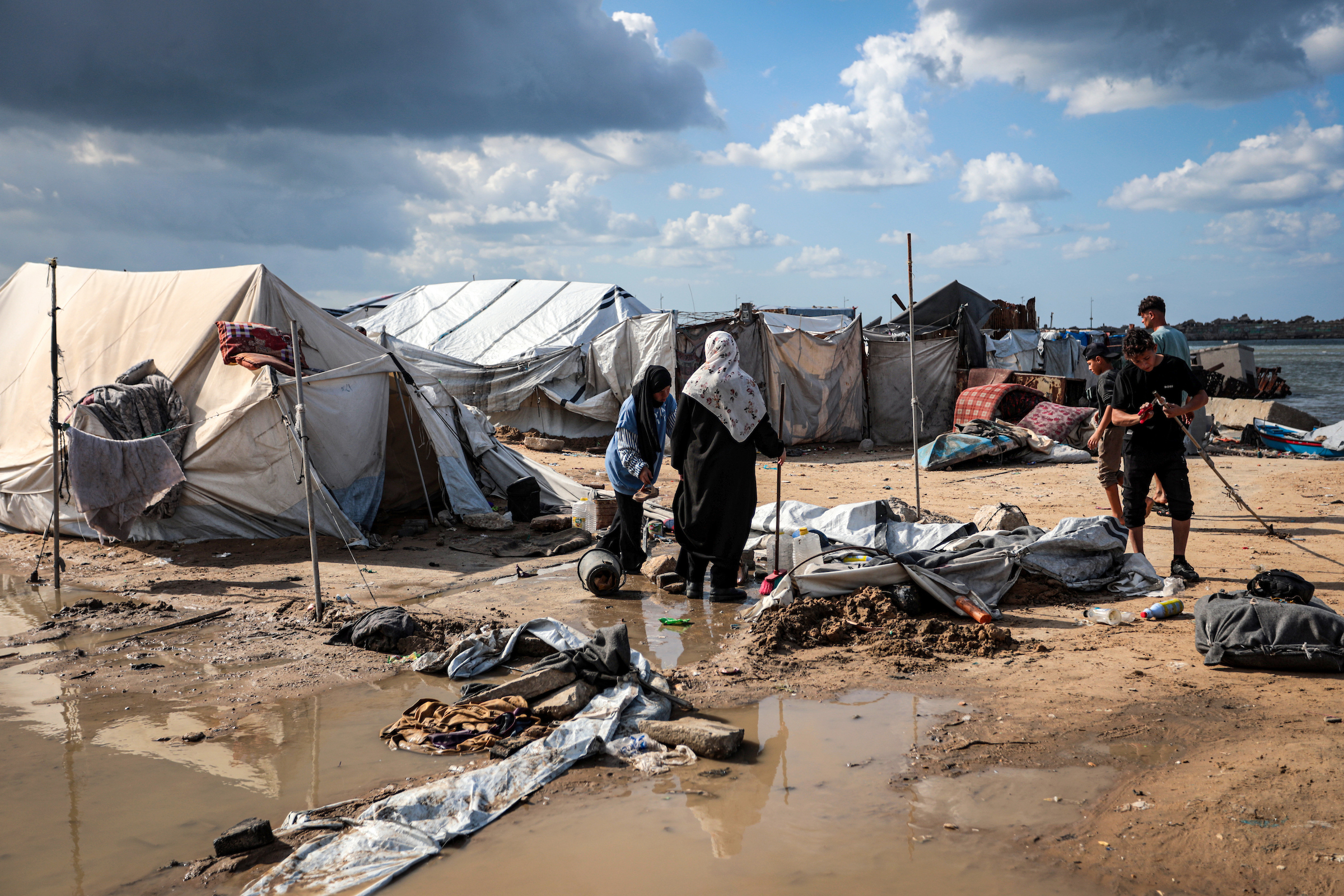
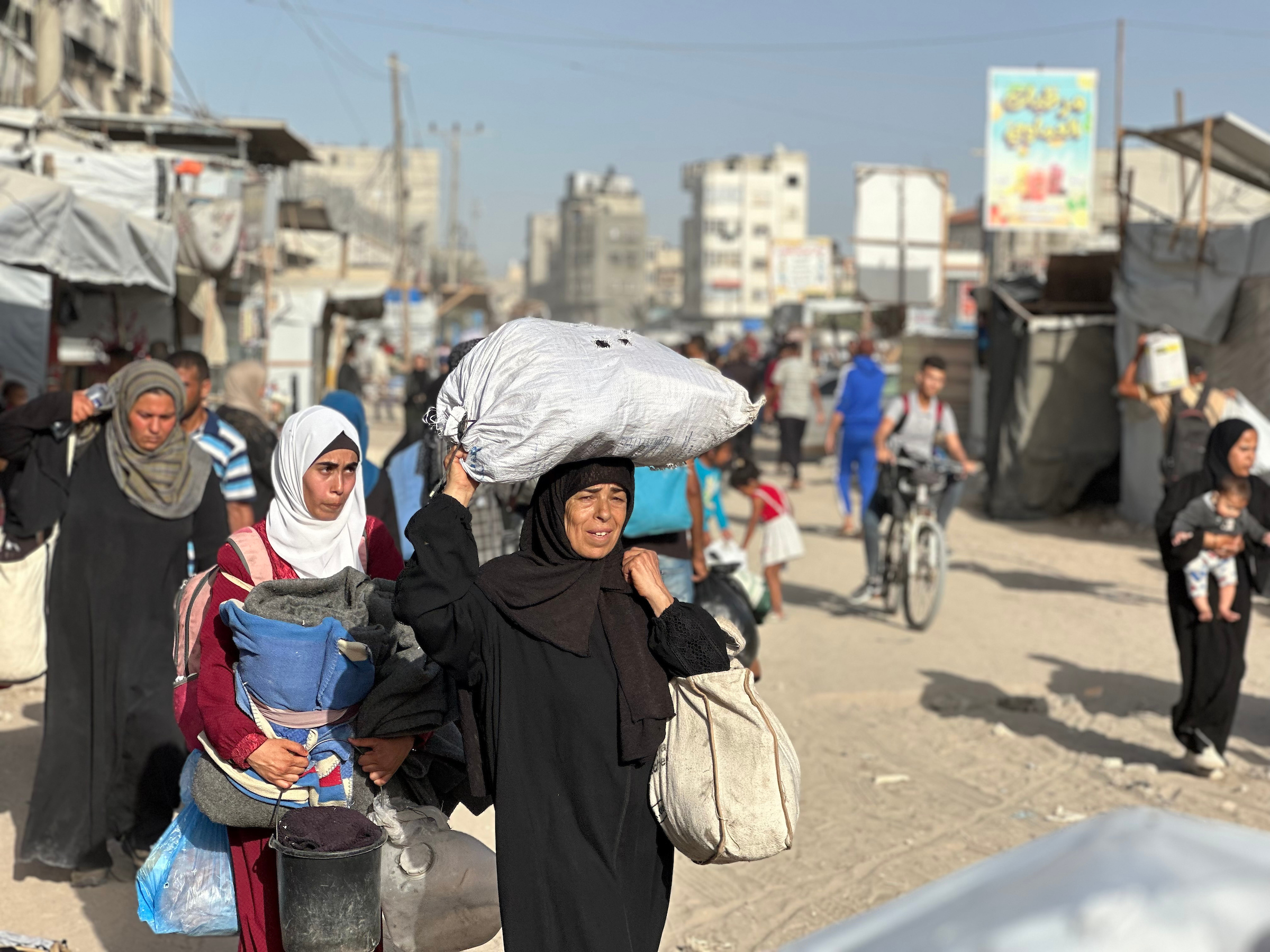
The year 2026 marked a continuation of the forced displacement crisis caused by the war, which has affected hundreds of thousands of women and girls. Many remain unable to return to their homes because they have been destroyed or damaged beyond habitability. Displaced women continue to live in dilapidated tents, damaged buildings and overcrowded shelters that lack even the most basic conditions necessary for a dignified life, including privacy, adequate sanitation facilities, clean water and personal hygiene supplies. These conditions are no longer a temporary emergency but have become a protracted reality in which women are subjected to persistent deprivation and humiliation and exposed to serious health and psychological risks, with no clear prospect of restoring stability to their lives.
As winter approaches, the plight of these women and girls is further compounded by rainfall and flooding, which have turned displacement tents into waterlogged shelters that lack even the most basic safety measures. Initial estimates from November 2026 indicated that 18,860 displaced families had been affected by flooding.4 Amid damaged tents and severe shortages of blankets and essential heating supplies, women struggle daily to protect their children from the cold and disease, while themselves lacking safe shelter, privacy and access to healthcare. These hardships weigh particularly heavily on pregnant and breastfeeding women, older women and women with disabilities, turning the harsh winter conditions into an additional threat to their health, safety and human dignity.
Meanwhile, the genocidal war has left women facing a harsh economic and social reality, placing an immense burden on them to support their families amid the loss of primary breadwinners and the collapse of livelihoods. More than 28,000 women lost their husbands during the war,5 while the number of female-headed households has reached 86,290, accounting for approximately one in every four households, compared with one in every nine households before October 2023.6 These households include women whose husbands were killed, arrested, forcibly disappeared or critically injured. Behind these figures are tens of thousands of women shouldering responsibilities that far exceed their capacities, forced to assume the role of primary providers and struggle to meet their families’ most basic needs amid poverty, unemployment and the collapse of social protection networks. They have been denied even the opportunity to grieve their loved ones or recover from the trauma of their loss. The harsh reality imposed on them has turned everyday life into a relentless struggle to secure food, water, medicine and shelter, while simultaneously caring for their children, older persons, sick family members and persons with disabilities.
The impact of the genocidal war has extended deep into the psychological and social lives of women and girls in the Gaza Strip, inflicting severe and long-lasting psychological harm as a result of the loss of loved ones, repeated forced displacement and exposure to scenes of destruction and death, compounded by persistent fear and instability even after the ceasefire. Thousands of women are experiencing serious mental health conditions amid the deterioration of mental health services and the lack of access to recovery and support services,7 including specialized care for depression and post-traumatic stress disorder (PTSD).8 Girls, too, have paid a devastating price, having been deprived of education, safe environments and family stability, with profound consequences for their psychological and social development and their future prospects.
In the West Bank, including East Jerusalem, Palestinian women are facing a rapidly deteriorating situation amid escalating Israeli military operations and recurrent raids, accompanied by killings, injuries, arrests, home raids, and the destruction of property and infrastructure. These operations are further compounded by collective punishment measures, including the closure of entrances to cities and villages, the isolation of residential communities, and increasingly severe restrictions on the movement of individuals. The Israeli authorities have also intensified the demolition of homes and other structures, issued demolition notices, and imposed restrictions on construction and access to land. These measures have been accompanied by settlement expansion, the establishment of settlement outposts, the seizure of agricultural land, and an escalation in settler attacks targeting Palestinians and their property, alongside acts of intimidation and threats aimed at terrorizing the population9. Since the beginning of 2026, approximately 2,159 settler attacks have been documented, resulting in Palestinian casualties or damage to homes and property.10 These include the latest armed settler attack on Palestinian homes in western Jericho on 16 November 2026, during which an elderly Palestinian woman was killed.11 These violations have expanded the scope of forced displacement, loss of homes and liveilhoods, thereby compounding social, pyshcological and economic burdens on women and increasing their vulnerability to poverty and loss of security. These violations have widened the scope of forced displacement and the loss of homes and livelihoods, further compounding the social, psychological and economic burdens borne by women and heightening their vulnerability to poverty and insecurity.
In light of the above, the Palestinian Centre for Human Rights (PCHR) stresses that the ongoing crime of genocide against the Palestinian people, alongside the grave violations perpetrated against women, reflects the international community’s failure to fulfil its legal obligations to prevent and punish the crime of genocide, thereby allowing impunity to become further entrenched. Accordingly, PCHR: