Testimony Date: 14 July 2025
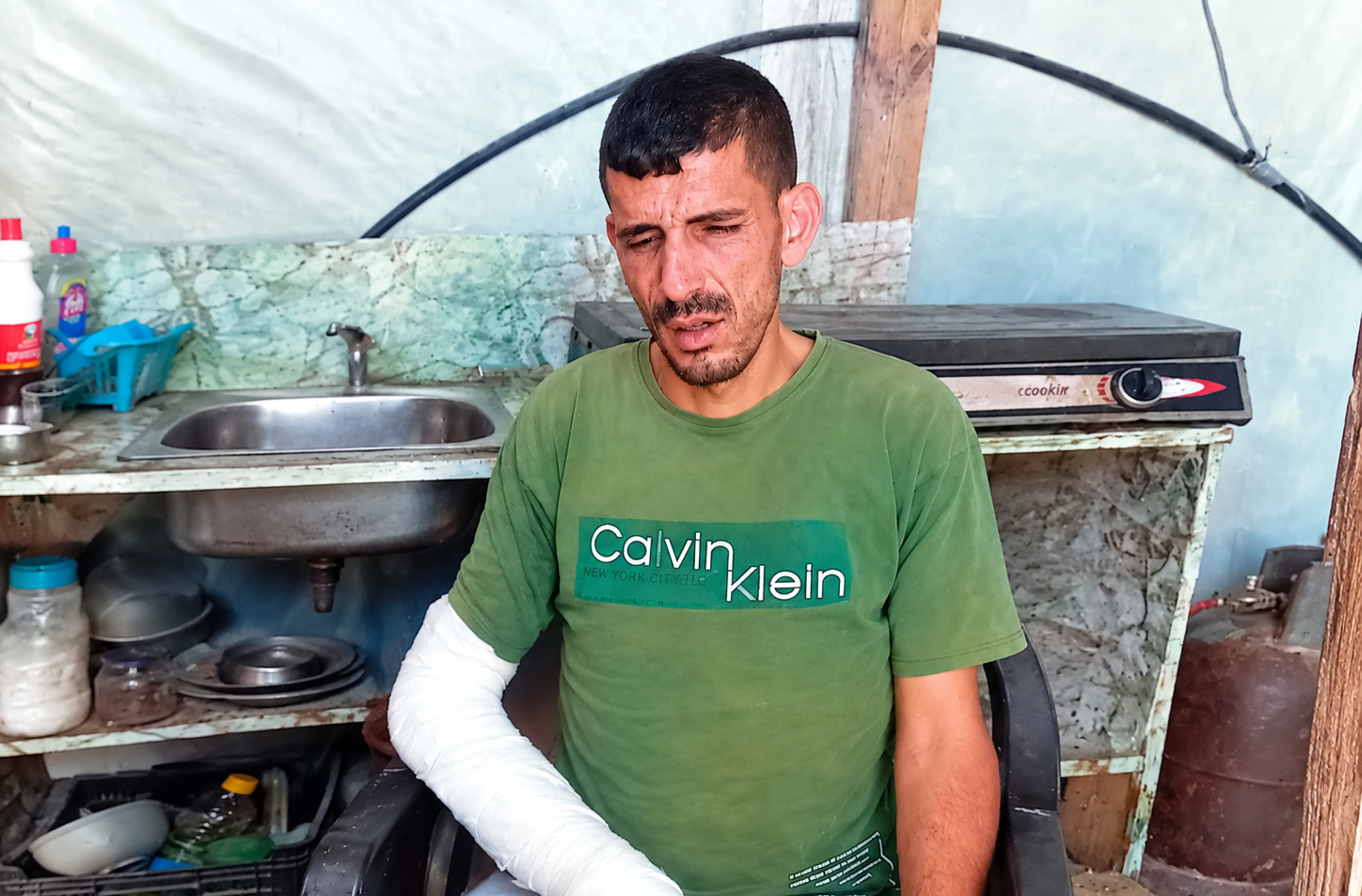
Ziad Hussein Hussein Enshasi, 48, resident of Al-Amal neighbourhood, Khan Younis, currently forcibly displaced in Al-Mawasi
I am married with eight children, four of whom are underage. I lived with my family in an apartment on the first floor of a two-storey building, measuring 90 m², in the Al-Amal neighbourhood, Khan Younis. My elder brother, Bassam, 53, who suffers from a neurological condition causing seizures, lived on the ground floor with his family of 11 members, including two children.
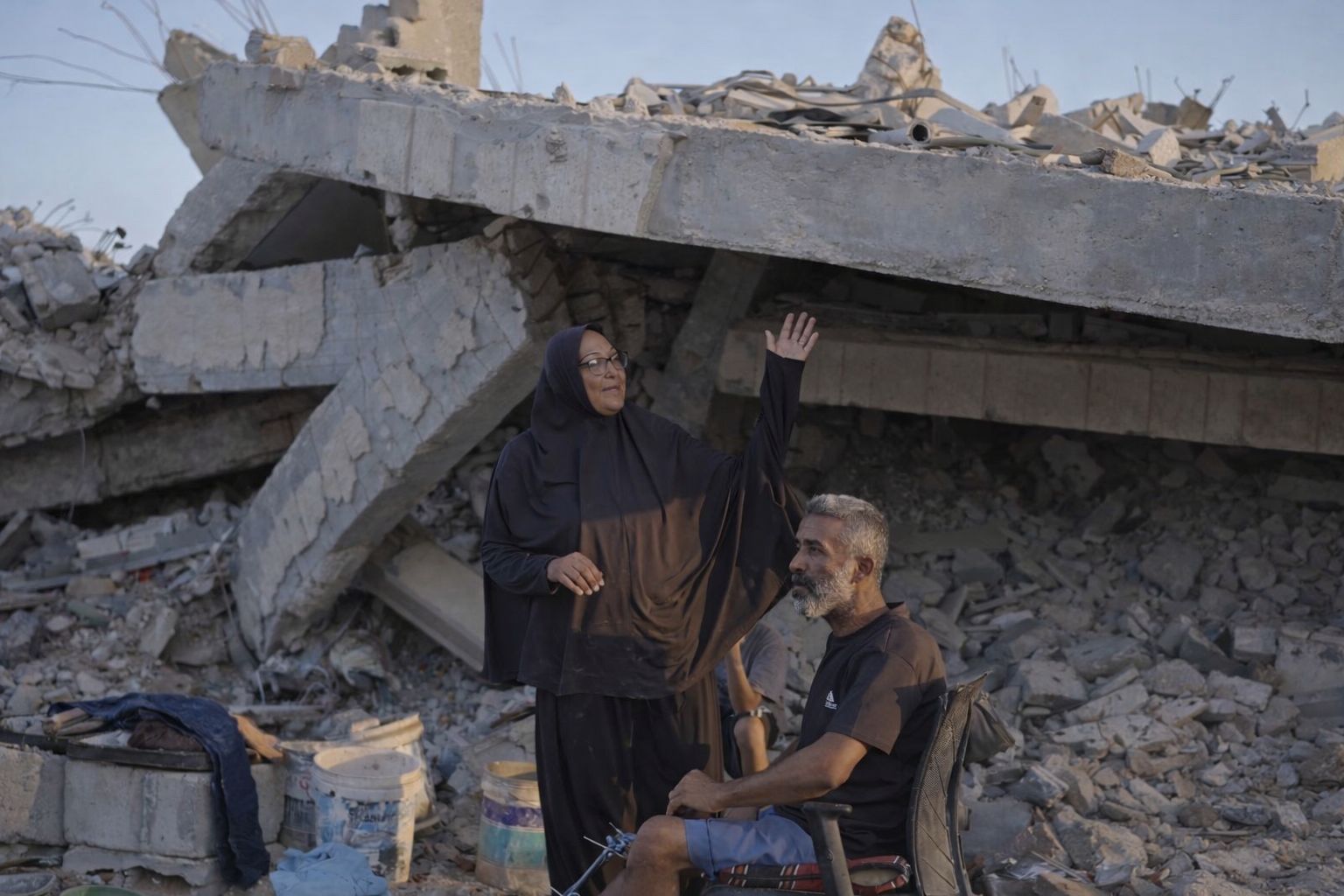
Since the beginning of the Israeli offensive on 7 October 2023, my brother Bassam and I, along with our families, have been displaced 11 times. Our first forced displacement was on 5 December 2023 to Rafah. Four months later, when the Israeli forces invaded Rafah, we were forced to flee again to Al-Mawasi, Khan Younis, after our home in Al-Amal was destroyed. We continued to be displaced multiple times until we eventually returned to the site of our destroyed home, where we set up tents and stayed.
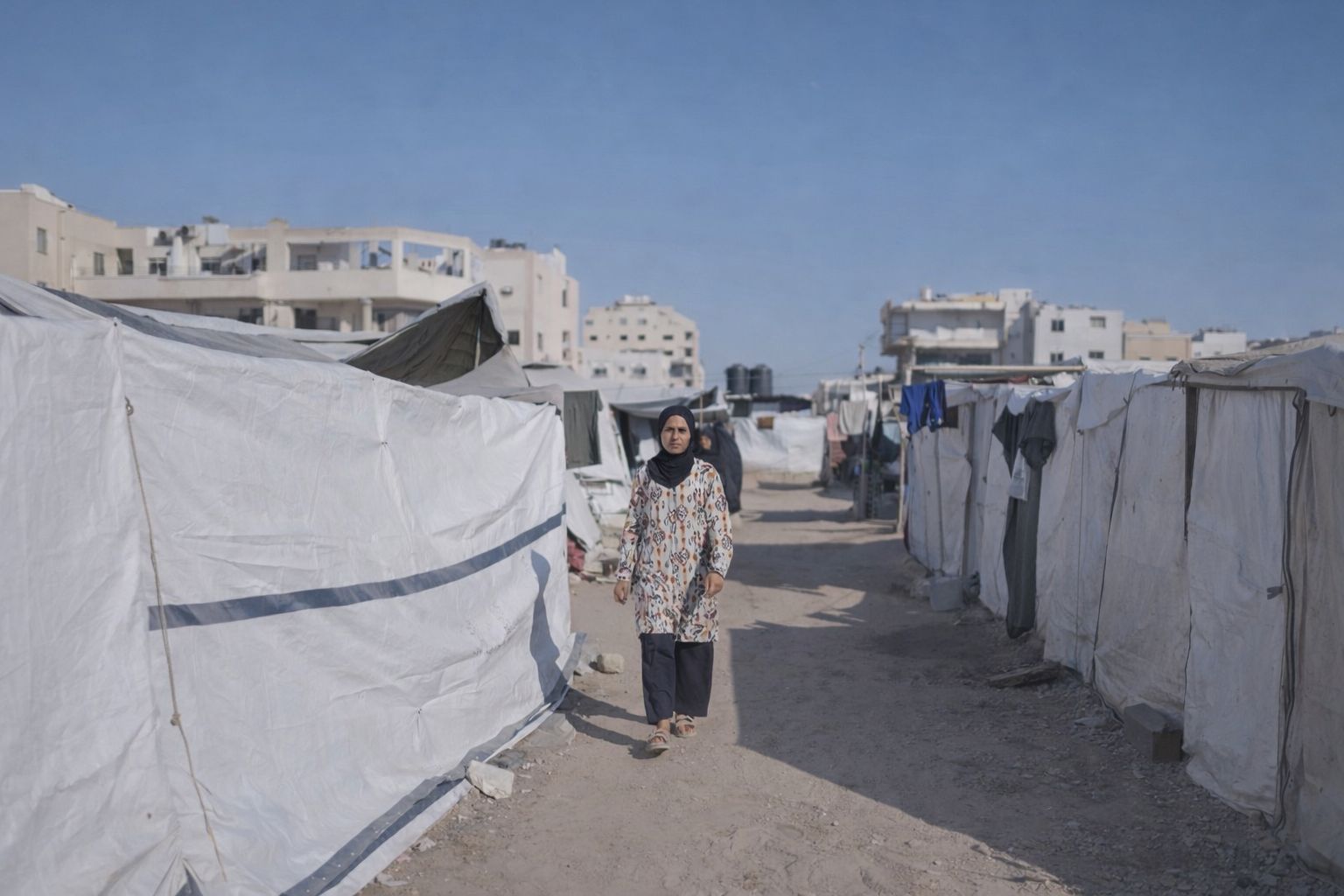
On 1 June 2025, the Israeli military warned us to evacuate Al-Amal neighbourhood again. We fled to the Al-Mawasi area in Al-Qarara, specifically on the lands of the Al-Abadleh family, northwest of Khan Younis, approximately 700 metres east of Al-Rasheed Street. My tent was located directly south of my brother Bassam’s tent. North of his tent was the tent of 64-year-old Yousef Abu Nimer. Across a five-metre-wide path were the tents of displaced families from the Abu Olwan family, and other displaced people surrounded us.
At around 9:15 p.m. on Tuesday, 8 July 2025, I was inside my tent and could hear Israeli drones hovering above. Suddenly, I heard a missile whistle—a sound I’ve come to recognise after so many wars—and saw a flash of light illuminate the area. I shouted to my children, “Get on the ground!” Seconds later, I heard a second whistle and saw another bright flash while lying flat with my children.
Within a minute or so, I heard young men screaming in the street. I rushed out and saw a group gathered where Abu Nimer’s tent had been—it was completely gone. I then heard screaming from my brother’s tent. I ran inside and immediately saw three of his daughters lying on the ground: Haneen (26) was facedown, while Maryam (22) and Islam (19) were on their backs. Haneen appeared to have been slaughtered—her neck was cut open by shrapnel. The other two had shrapnel injuries across their bodies and were soaked in blood.
I started screaming for help. A group of young men came and helped carry the girls outside, where they were loaded into civilian vehicles and rushed to the Al-Hilal field hospital, about 30 minutes south along Al-Rasheed Street.
Bassam’s wife, Jamalat Ahmad Enshasi (51), and two of their other daughters, Abeer (33) and Tahreer (24), as well as our sister Islam (39), were also injured. My brother Bassam had been thrown outside, near the tent of our uncle, Fathi Enshasi (80). He was injured by shrapnel in the jaw that lodged in his neck. They were transported to Al-Aqsa Martyrs Hospital in Deir Al-Balah, as our location was closer to that area.
At around 9:00 a.m. the following day, Wednesday, 9 July 2025, we went to Nasser Medical Complex in Khan Younis. Bassam had checked himself out of Al-Aqsa Martyrs Hospital. When we arrived at Nasser, we could not find Haneen’s body, so we contacted other field hospitals. A few minutes later, they brought her body from Al-Hilal Field Hospital, as it had not yet been transferred.
After completing the required procedures at Nasser, we buried the girls in a mass grave at the Al-Satariya family cemetery behind the Austrian neighbourhood, as there was no space left in the family plot due to the overwhelming number of deaths.
The airstrike also killed Yousef Abu Nimer, three of his children, two of his grandchildren, a woman from the Al-’Akkar family, and a man from the Omar family—whose names I do not know. Several others were wounded, but I do not know the exact number. After burying his daughters—Haneen (26), Maryam (22), and Islam (19)—my brother Bassam returned to Al-Aqsa Martyrs Hospital in Deir Al-Balah. He was discharged two days later.