
The Paper in Brief: Key Criticisms of the Plan
Introduction
This position paper aims to provide a legal and human rights analysis of the situation in the Gaza Strip in light of the plan announced by U.S. President Donald Trump on 29 September 2025 to end the war in the Gaza Strip (the “Comprehensive Plan to End Conflict in Gaza,” hereinafter referred to as “Trump’s 2025 Plan”). Accordingly, a ceasefire in Gaza was reached on 10 October 2025. Subsequent developments followed the announcement of the Plan and the declaration of the ceasefire, including Security Council Resolution 2803 issued on 17 November 2025, as well as the declaration of the Charter of Peace Board—established pursuant to the Plan—on 18 January 2026. Other components stemming from the Plan include the establishment of an international executive council, the appointment of a High Representative for the Gaza Strip, and the formation of a Palestinian administrative committee.
The features of the future and the reality of the situation in the Gaza Strip have not yet become fully clear; however, many of these features are still under formation, and unknown updates may alter them. What has been announced so far, the facts on the ground in the Gaza Strip, the successive developments in this regard, and statements issued by the U.S. Administration and other stakeholders all constitute the primary material for understanding the trajectory of these developments. Accordingly, this paper seeks to provide a clearer understanding of the situation and its future prospects, as well as a legal and human rights perspective on these developments, in addition to offering a guiding framework for engagement with the administrative and political bodies formed to administer the Gaza Strip.
This paper is based on the following key premises:
Despite the Israeli Occupation Forces’ (IOF) redeployment in 2005, the Gaza Strip has remained an occupied territory under international law, and Israel continues to be regarded as the occupying power bearing responsibility for the welfare of the local population. This has also been emphasized by the International Court of Justice (ICJ) in its advisory opinion issued on 19 July 2024, in which the Court stated that “Israel’s withdrawal from the Gaza Strip has not entirely released it of its obligations under the law of occupation. Israel’s obligations have remained commensurate with the degree of its effective control over the Gaza Strip.” 1 This raises the question of whether Trump’s 2025 Plan will affect Israel’s effective control over the Gaza Strip and, consequently, alter its legal responsibilities.”
According to the documents released so far, the implementation of Trump’s 2025 plan does not address the core issue of Israel’s control over the Gaza Strip; on the contrary, that control has increased. Israel continues to control the airspace and territorial waters of the Gaza Strip and maintains effective control over more than 50% of its territory, while retaining its grip on the borders, including the Rafah Crossing with Egypt and other commercial crossings. Israel also continues to control the population registry and remains the sole authority determining who is recognized as a Palestinian living in the Gaza Strip, including the assignment of national ID numbers newborns. Consequently, the Israeli occupation of the Gaza Strip persists, and Israel remains obligated to fulfill its responsibilities as an occupying power under international law.
In an interview with the New York Times in January 2026, President Trump explicitly stated that he does not consider international law a constraint and that the only limit on his power is his own morality.2 As a result, international law—including international humanitarian law and international human rights law—has been effectively sacrificed. Trump’s plan is not grounded in any component of international law and offers no prospect for ending the illegal occupation of Palestinian territory occupied in 1967 (the West Bank, including East Jerusalem, and the Gaza Strip). It also fails to recognize the legitimate and inalienable rights enshrined in international law for the Palestinian people, including the right to self-determination and the right of return for Palestinian refugees. Instead, the plan includes a vague point (item 19) stating that if the Palestinian Authority implements reforms faithfully, conditions may be established for a “credible pathway” to Palestinian self-determination and statehood. However, the plan does not clarify what state or what form of self-determination is envisioned. In this regard, the 2025 plan essentially echoes the “Deal of the Century”—Trump’s first plan in 2020—in its approach to the “reforms” required of the Palestinian Authority and in its treatment of the right to self-determination.
Thus, the Plan violates ICJ’s advisory opinion issued in July 2024 that has clarified the existence of the Palestinian people’s right to self-determination cannot be subject to conditions on the part of the occupying Power. It also violates the “The 1960 Declaration on the Granting of Independence to Colonial Countries and Peoples,” which states that: “Inadequacy of political, economic, social or educational preparedness should never serve as a pretext for delaying independence.”3
Furthermore, it also breaches the “1970 Declaration on Principles of International Law concerning Friendly Relations and Cooperation among States in accordance with the Charter of the United Nations,” which states ““The speedy end of colonialism, in accordance with the freely expressed will of the peoples concerned, bearing in mind that the subjection of peoples to alien subjugation, domination and exploitation constitutes a violation of this principle, of fundamental human rights, and of the Charter of the United Nations.” 4
The “Deal of the Century” fundamentally defies international law and the inalienable rights of the Palestinian people. It grants Israel sovereignty over Jerusalem and large areas of the West Bank, legitimizes settlement activity and the annexation of settlements, while proposing a fragmented Palestinian entity in the Gaza Strip and the remaining disconnected parts of the West Bank.5 Trump’s first plan effectively erased the cause of Palestinian refugees and their right of return. The broader framework also envisions ending the existence of refugee camps in the Gaza Strip, a position that has been explicitly reflected in Gaza reconstruction proposals promoted by Jared Kushner, Trump’s son-in-law and one of the key architects of the plan. Moreover, when considered in the context of Israel’s systematic targeting of United Nations Relief and Works Agency for Palestine Refugees in the Near East (UNRWA), these developments indicate a broader pathaway toward eliminating the Palestinian refugee issue and undermining their internationally recognized right of return.
It appears that we are witnessing a new phase aimed at fragmenting the identity and geography of the Palestinian people. After decades of Israel’s persistent efforts to fully separate the Gaza Strip from the rest of the Palestinian territory occupied in 1967 (the West Bank, including Jerusalem) through the imposition of an illegal and inhumane siege on Gaza, Trump’s 2025 Plan would further entrench a new legal and political reality. This plan is likely to cement the separation of the Gaza Strip, consolidating it as a distinct entity and isolating it in the long term from the rest of the occupied territory, which is already being fragmented through various means such as the annexation wall, settlements, military checkpoints, and other measures.
The international transitional administration of the Gaza Strip has effectively removed the territory from the control of the Palestinian Authority and will not regain it unless the Authority carries out “satisfactory” reforms, thereby becoming capable of safely and effectively regaining control of the Gaza Strip (Security Council, Item 3). Linking the return of authority to such “satisfactory” reforms renders the process indefinite and open-ended. Consequently, the new transitional administration assumes responsibility for all legislative, executive, and judicial powers in the Gaza Strip until further notice.
Trump’s plan does not provide many details, as the administration of the Gaza Strip is to be managed by a non-political administrative committee of technocrats, comprising both international and Palestinian experts, and subject to the oversight of a new international transitional body, the “Council of Peace,” chaired by President Trump (Item 9). The decision mandates that the Peace Council establish operational entities under its supervision, including a transitional administrative governance, and oversee a non-political administrative committee composed of qualified Palestinian professionals from the Gaza Strip (Items 4 and 5).
Resolution (RES/2026/1) issued by the Chair of the Peace Council specifies that the Council will assume responsibility of the transitional governing authority tasked with overseeing implementation of the peace plan and will be granted “all legislative and executive powers and emergency and judiciary authority.” Thus, it reportedly gives the Peace Council “the ability to exercise all powers and authorities it deems necessary.” The Council is also designated to manage external relations and to be the contracting authority with states and international organizations.
According to the above-mentioned resolution of the Chair of the Peace Council, the civil and criminal laws in force in the Gaza Strip prior to 10 October 2025 will continue to apply, unless they “conflict with international law, the principles of non-discrimination, or the comprehensive plan.” The Executive Council and the High Representative are authorized “to enact new laws or amend or repeal existing laws whenever necessary and appropriate to implement the comprehensive plan.”
Thus, we are entering a new phase in which a separate legal system will be established in the Gaza Strip, removed from the Palestinian legal framework, with laws enacted and amended to serve the objectives of the Plan.
Numerous questions arise regarding laws related to land and property rights in light of the future plans proposed for the Gaza Strip. There are serious concerns about the potential enactment of new laws and the large-scale confiscation of private property to facilitate major projects promised under Trump’s plan.
Freedom of movement for individuals and goods is a fundamental component of Palestinian unity in the occupied Palestinian territory. Since 1948, the Palestinian people have torn apart, and the Gaza Strip has been completely isolated from the West Bank. This fragmentation is an enduring consequence of the Israeli occupation of Historic Palestine in 1967. Despite these circumstances, Palestinians in the Gaza Strip, the West Bank, and inside Israel have maintained communication under the constraints of occupation. Contrary to the occupier’s intentions, this interaction has contributed to restoring Palestinian cohesion and strengthening a unified national identity. However, the Israeli occupation soon recognized the strategic importance of restricting freedom of movement. Beginning in the early 1990s, cumulative and gradual restrictions were imposed on movement between the West Bank and the Gaza Strip. Despite the phased settlement agreements between the Palestine Liberation Organization and Israel, which guaranteed territorial unity and established safe corridors for movement, Israel disregarded these obligations, suspended the operation of the safe corridors within weeks, and progressively intensified restrictions. This culminated in the imposition of an illegal and inhumane comprehensive siege on the Gaza Strip.
Trump’s 2025 plan appears to have turned back the clock nearly 59 years, effectively restoring conditions similar to those prior to the 1967 occupation, with total isolation and the absence of freedom of movement between the West Bank and the Gaza Strip—yet this time while maintaining and consolidating the Israeli occupation. The plan does not address the freedom of movement between the West Bank and the Gaza Strip; instead, the future of such movement is entirely subject to the discretion of the Israeli occupier, which has long pursued policies to enforce and entrench complete separation as part of its broader strategy of geographic and demographic fragmentation in the occupied Palestinian territory.
The Gaza Strip and the West Bank, including Jerusalem, constitute an integral territorial unit, and any attempt to fragment them forms part of a policy designed to prevent the Palestinian people from exercising their right to self-determination. This geographic fragmentation is also a central component of the apartheid system imposed by the occupation, aimed at domination and oppression. In this context, Trump’s plan reinforces Israeli practices that were deemed by the International Court of Justice in July 2024 to violate the international prohibition against apartheid and racial segregation.6
Holding general presidential and legislative elections constitutes one of the most important prerequisites for a comprehensive reform process within the Palestinian Authority. If such reforms are set as a condition for restoring the Palestinian Authority’s governance in the Gaza Strip, as outlined in Trump’s plan, it follows that Palestinian governance should be exercised by representatives elected through free and fair elections, and that these representatives must be subject to public accountability.
Holding general Palestinian elections under the current conditions is not feasible and, even under more favorable circumstances, would likely exclude the Gaza Strip. Trump’s plan does not address elections at all, and residents of the Gaza Strip would not be able to participate in any general Palestinian elections. Moreover, taking into account the Israeli position—supported by Trump—regarding Jerusalem, any such elections would likely be confined to the West Bank, excluding both Jerusalem and the Gaza Strip.
The State of Palestine is a party to numerous international conventions and is bound to implement them within the areas under its jurisdiction, including the West Bank and the Gaza Strip. Palestine submits periodic reports to the relevant treaty bodies on the progress made in implementing these conventions within the areas under its control. Despite the treaty bodies’ awareness of the realities and constraints under which the Palestinian Authority operates under occupation—including the occupying power’s role in obstructing Palestine’s ability to fully comply with its international obligations— almost none of the observations issued by these bodies omit reference to Palestine’s responsibility for the implementation of these conventions in the Gaza Strip, notwithstanding the Palestinian Authority’s lack of effective control over the territory since 2007. 7.
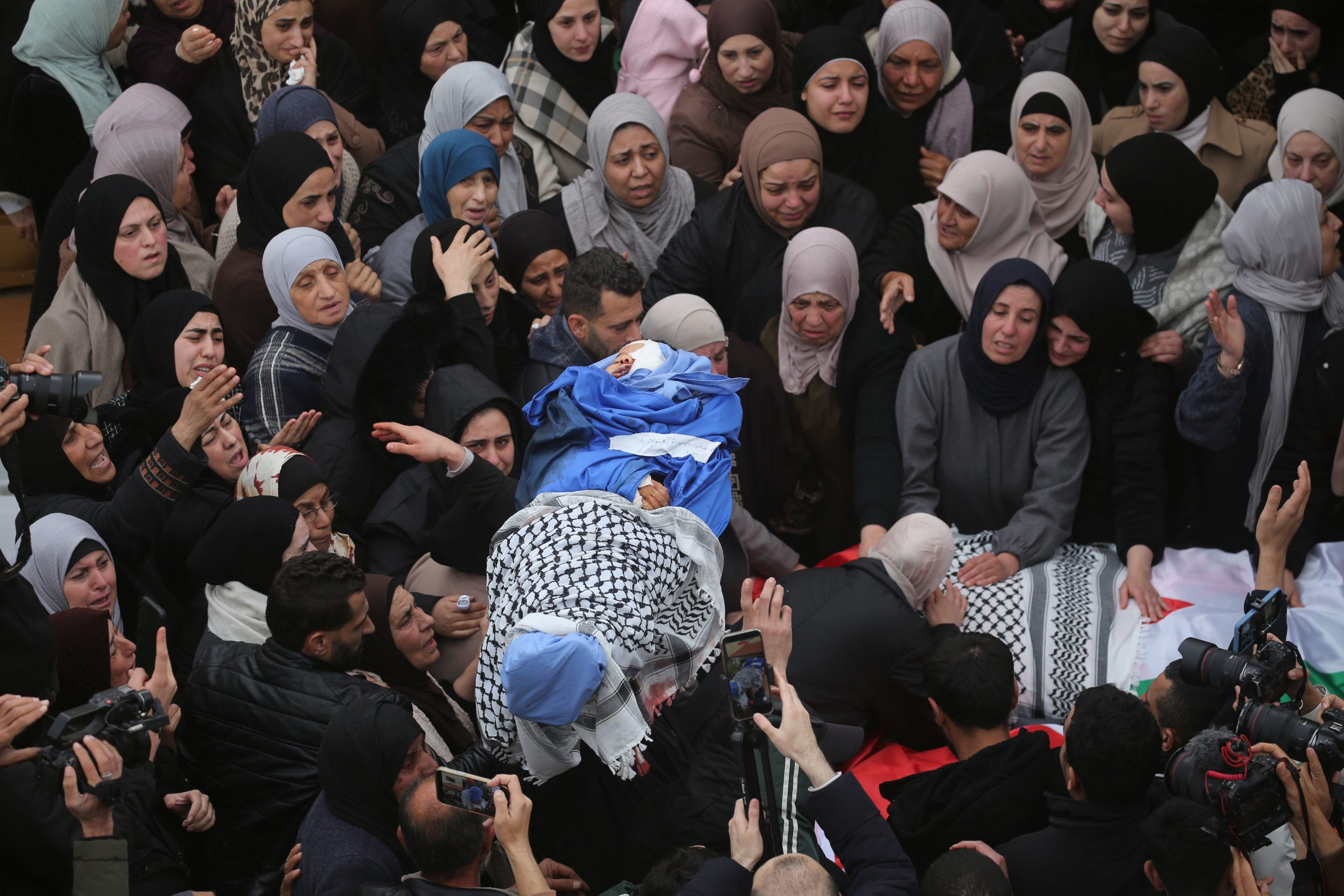
Palestinians in the Gaza Strip are faced with two options: either ongoing killing, forced displacement, and continued acts of genocide carried out in full view of the world, or the acceptance of a plan that is not based on international law and provides no guarantees for the realization of the Palestinian people’s legitimate rights, including the right to self-determination and an end to the occupation. Four months after the commencement of the plan’s implementation, the ceasefire is effectively non-existent, while the ongoing acts of genocide persist, alongside the continued risk of forced displacement from the Gaza Strip.
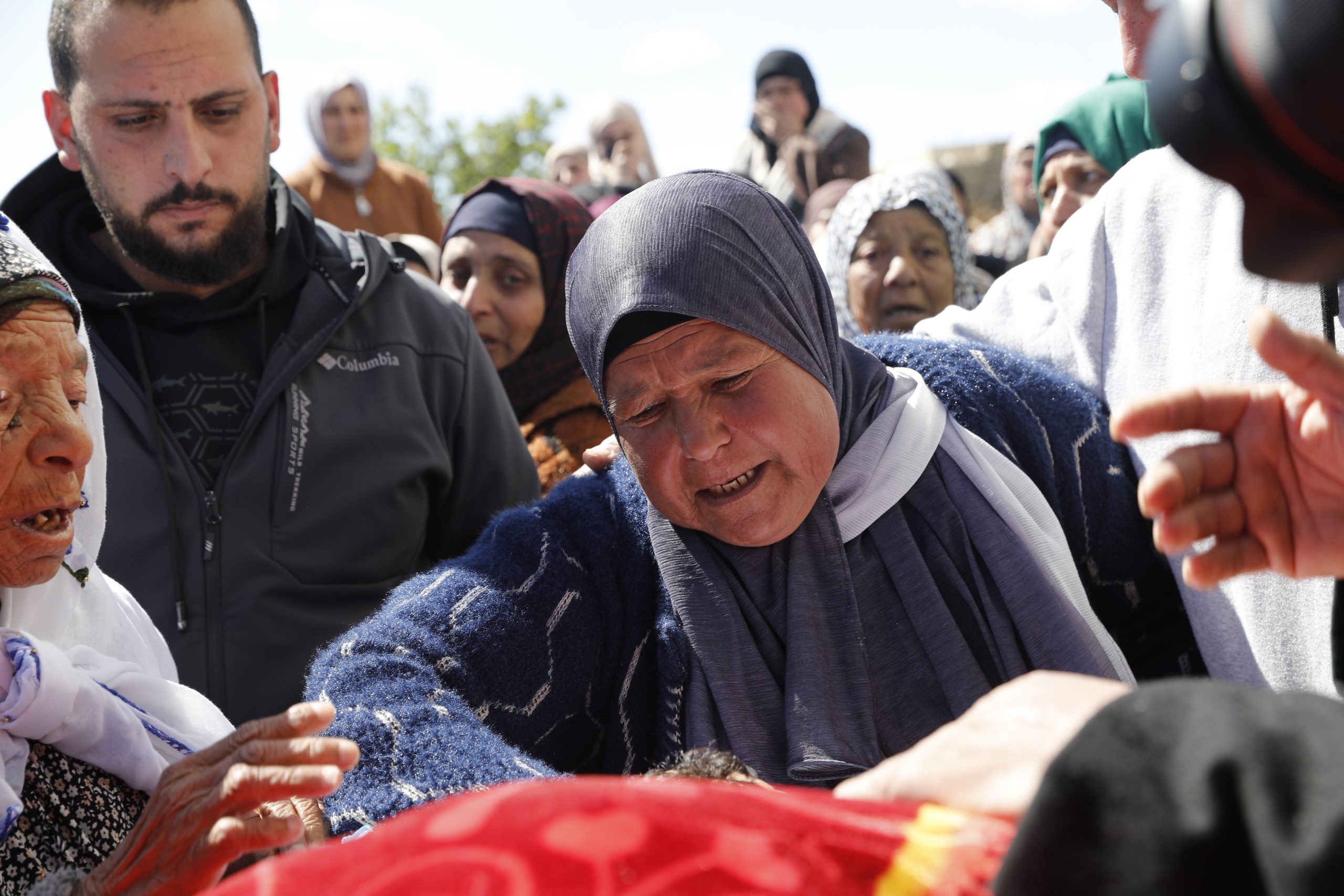
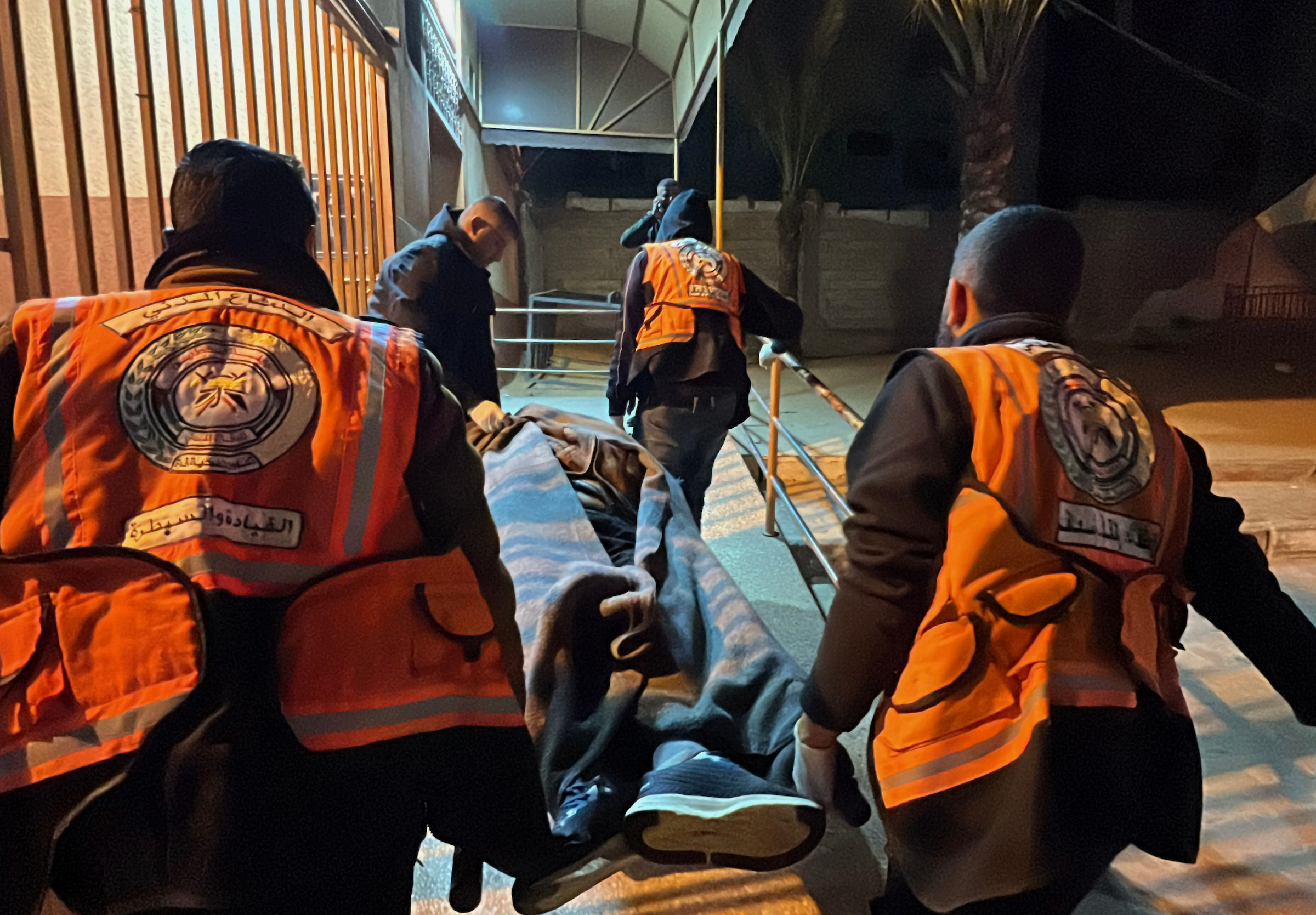
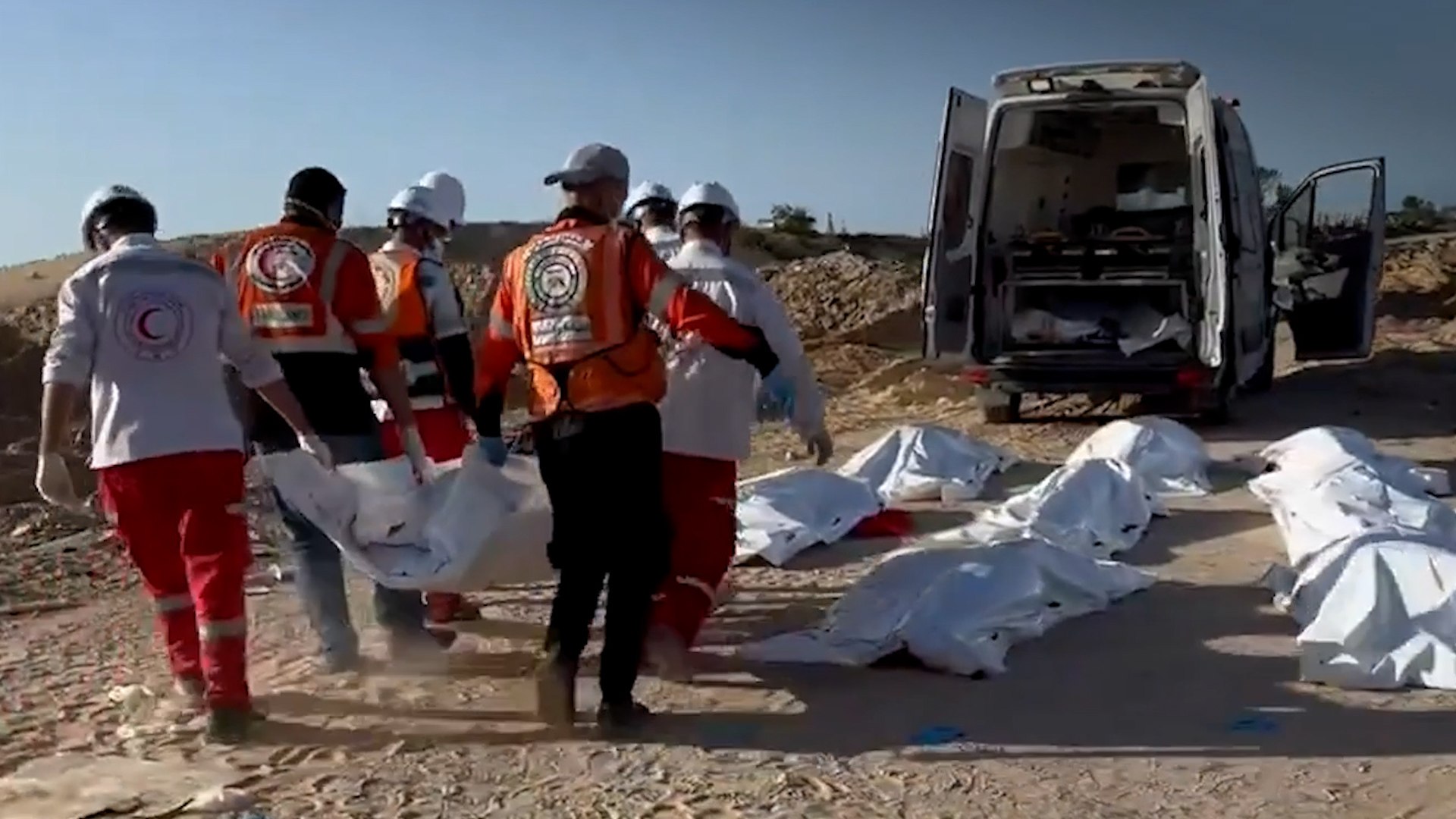
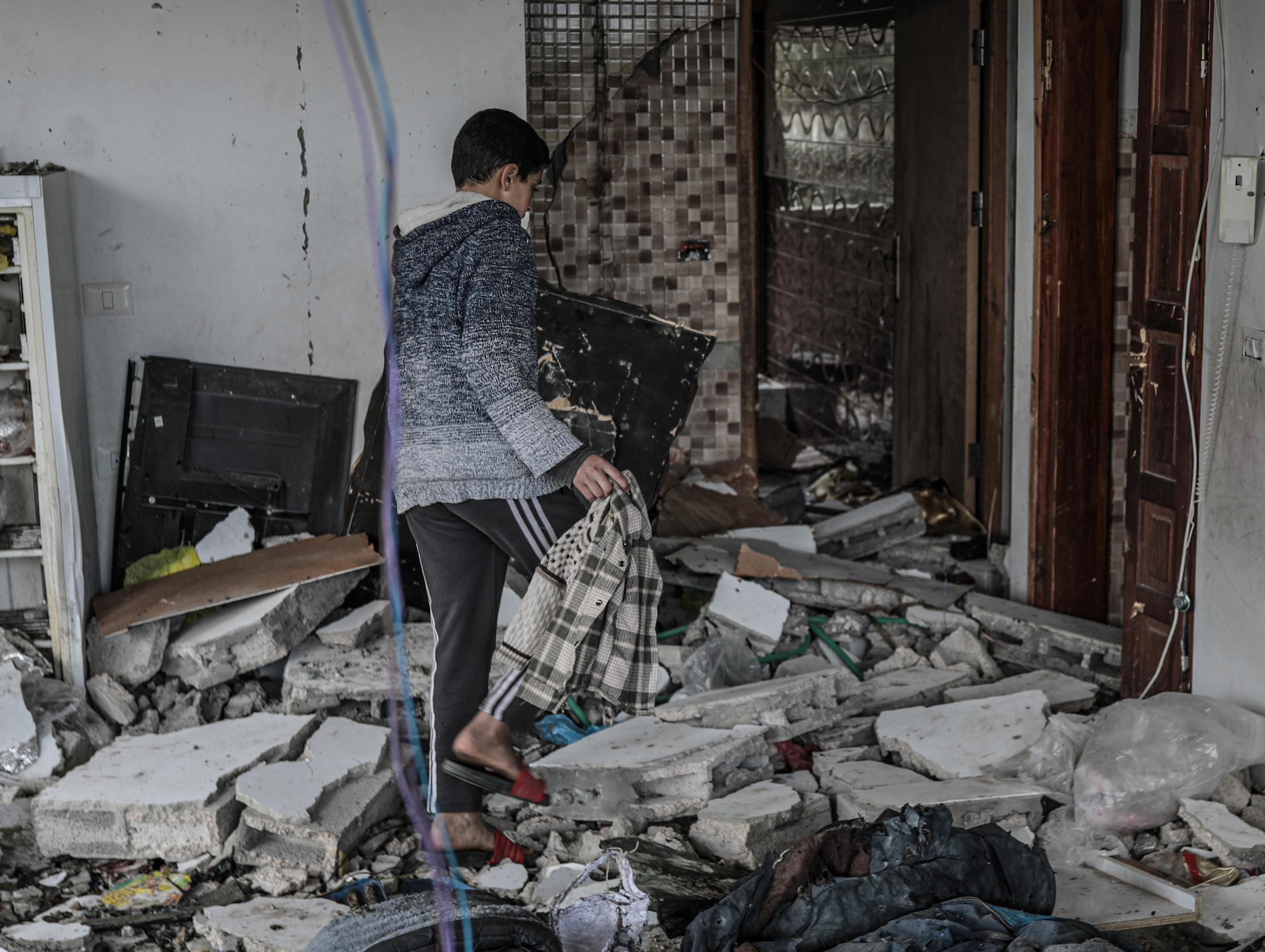
Israel’s war machinery continues to claim victims on a daily basis, leaving increasing numbers of Palestinians killed or injured. Since the declaration of the ceasefire on 10 October 2025 and until 10 February 2026, IOF have killed more than 570 Palestinians and injured over 1,500 others in the Gaza Strip, approximately half of whom were children and women.
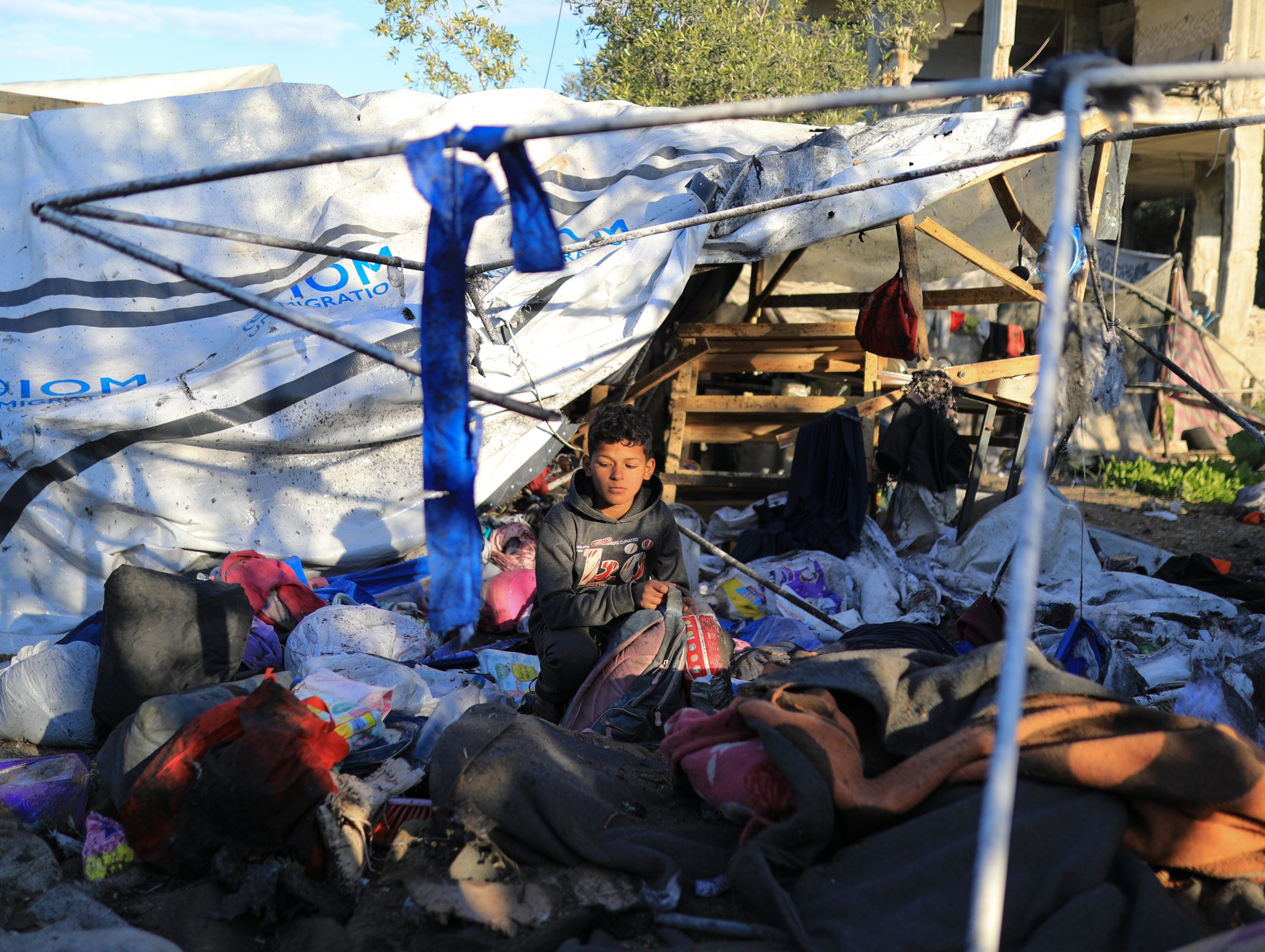
No substantial progress has been made in improving the humanitarian conditions across all aspects of life. It is evident that the Israeli occupation is deliberately maintaining—and even entrenching—conditions that lead to the destruction of Palestinians in the Gaza Strip, in whole or in part. Consequently, those who survive are left with no viable option but to leave the Gaza Strip.
Israel’s insistence on opening the Rafah Border Crossing in one direction only, and—at best—restricting the right of return to the Gaza Strip, while maintaining harsh living conditions, is likely to result in the long-term forced displacement of Palestinians from the Gaza Strip.
Thus, any reliance on the plan to bring an end to acts of genocide and forced displacement in the Gaza Strip is not supported by the facts on the ground. On the contrary, these acts continue, albeit in a less overt manner.
The proposed governance framework in the Gaza Strip constitutes a fundamentally foreign and colonial trusteeship regime, in which Palestinians have no meaningful role in decision-making. Moreover, the plan explicitly conditions future governance on the exclusion of Palestinian factions from any participation in the administration of the territory (Item 13).
Furthermore, the proposed governance framework lacks any democratic basis and resembles a system of one-man rule, in which near-absolute authority rests with Donald Trump in his personal capacity, rather than in his official capacity as President of the United States. Even after the conclusion of his presidential term, Trump would retain this concentration of authority and alone possesses the right to relinquish any of his powers, including the authority to appoint his successor. Under this arrangement, the structures of governance in the Gaza Strip would be as follows:
It is not only civil society but the entire Palestinian people who were deliberately excluded and never consulted at any stage of drafting Trump’s Plan. The plan effectively presents a stark choice: either accept it or witness the total destruction of the Gaza Strip and its removal from the map! Consequently, there will be no space for the operation of a strong and independent civil society, and only organizations or initiatives that support Trump’s Plan would be allowed to operate.
Prior to the declaration of his plan, President Trump imposed unjust sanctions on leading Palestinian human rights organizations actively engaged in legal work before the International Criminal Court, including the Palestinian Centre for Human Rights, Al-Haq, and Al-Mezan Center for Human Rights, undermining their efforts to hold Israeli war criminals accountable. 8 This was preceded by sanctions against the Adameer Organization for Prisoner Support and Human Rights, including its designation as a “terrorist” organization. The approach continued with the addition of further organizations to the sanctions list. The message is obvious: any organization that criticizes Trump’s Plan or its implementation will be barred from operating.
Resolution No. 1 issued by the Chair of the Peace Council leaves no room for interpretation: only individuals and entities supporting the “Comprehensive Plan” are allowed to participate in governance, reconstruction, or humanitarian activities in Gaza. The Executive Council and the High Representative will set the criteria for determining who may take part in the development of “New Gaza” (Article 8). Consequently, no dissenting or critical voices regarding the Plan will be permitted, and civil society will be “screened” on a case-by-case basis (per the same article), subject to the Chair of the Peace Council’s approval. Only those who demonstrate loyalty in word and deed will be allowed to participate. This restriction applies to non-governmental organizations in general, both local and international.
Thus, civil society should anticipate a difficult period in which only organizations aligned with Trump’s Plan will be allowed to operate. If the trusteeship regime currently being established resembles a system of absolute one-man rule, it is unsurprising that independent civil society is excluded and replaced by a limited number of local and international non-governmental organizations that serve the regime and its objectives.
Over the past decades, civil society organizations have operated effectively and tirelessly, even under the harshest conditions of direct military occupation. Following the establishment of the Palestinian Authority in 1994, these organizations developed a strategic vision based on constructive and positive engagement with the newly established authority, recognizing it as a national governing body – the Palestinian National Authority- entrusted with legislative, executive, and judicial functions under the phased settlement agreements. This vision has guided their work over the past three decades. In this context, a critical question arises: is it possible to adopt a similar approach toward engagement with the transitional administration in the Gaza Strip, whether with the administrative committee or other components?
Despite the restrictions imposed on the Palestinian Authority regarding the right to freedom of association—particularly following the Palestinian division in 2007—the pluralistic civil society has continued to operate effectively and to play key roles across various aspects of Palestinian life, including monitoring the performance of public authorities. However, the outlook for the coming phase is not promising. There are legitimate fears not only about the shrinking operational space for non-governmental organizations, but also about whether civil society will be able to exist at all. It is therefore difficult to envisage a similar approach of constructive and positive engagement under an international trusteeship regime in which Palestinians have no role in decision-making, and which is not subject to any form of public accountability.
Despite all above and amid full awareness of the risks associated with Trump’s Plan and its failure to realize the legitimate and inalienable rights of the Palestinian people, it must be emphasized that Palestinian civil society has consistently operated under the harshest conditions, including periods of direct military rule by the Israeli occupation, and has continued to confront this occupation through legal and human rights advocacy. In this context, civil society organizations should remain open to engaging with the proposed governing bodies in the Gaza Strip, including the High Representative and the Palestinian administrative committee, whose formation has been recently announced but which has not yet assumed any functions on the ground or relocated from its headquarters in Cairo to the Gaza Strip. At the same time, it is essential to closely monitor the upcoming phase and its successive developments in order to determine the appropriate course of action, particularly with regard to the High Representative and the Palestinian administrative committee. Civil society must also be fully prepared for worst-case scenarios, including the restriction or prohibition of its activities and the potential limitation of operational space to a small number of humanitarian and development organizations aligned with Trump’s Plan and tasked with its implementation.
[…] have remained commensurate with the degree of its effective control over the Gaza Strip.” 1 This raises the question of whether Trump’s 2025 Plan will affect Israel’s effective […]