21 April 2026 marks a defining moment in the European Union’s (EU) external conduct – one that has inflicted profound damage on its reputation, credibility, and purportedly principled foundation. By refusing to suspend the EU-Israel Association Agreement, the EU has demonstrated a clear prioritisation of economic interests through its complete abandonment of the rule of law, human rights, and fundamental legal principles.
The EU has historically professed an unwavering commitment to human dignity, freedom, democracy, equality, the rule of law, and human rights – the values upon which the EU claims to be founded. The aims of the EU within the wider world include commitments to uphold and promote its values and interests; contribute to peace and security and the sustainable development of the Earth; contribute to solidarity and mutual respect among peoples, free and fair trade, eradication of poverty and the protection of human rights; and ensuring the strict observance of international law.
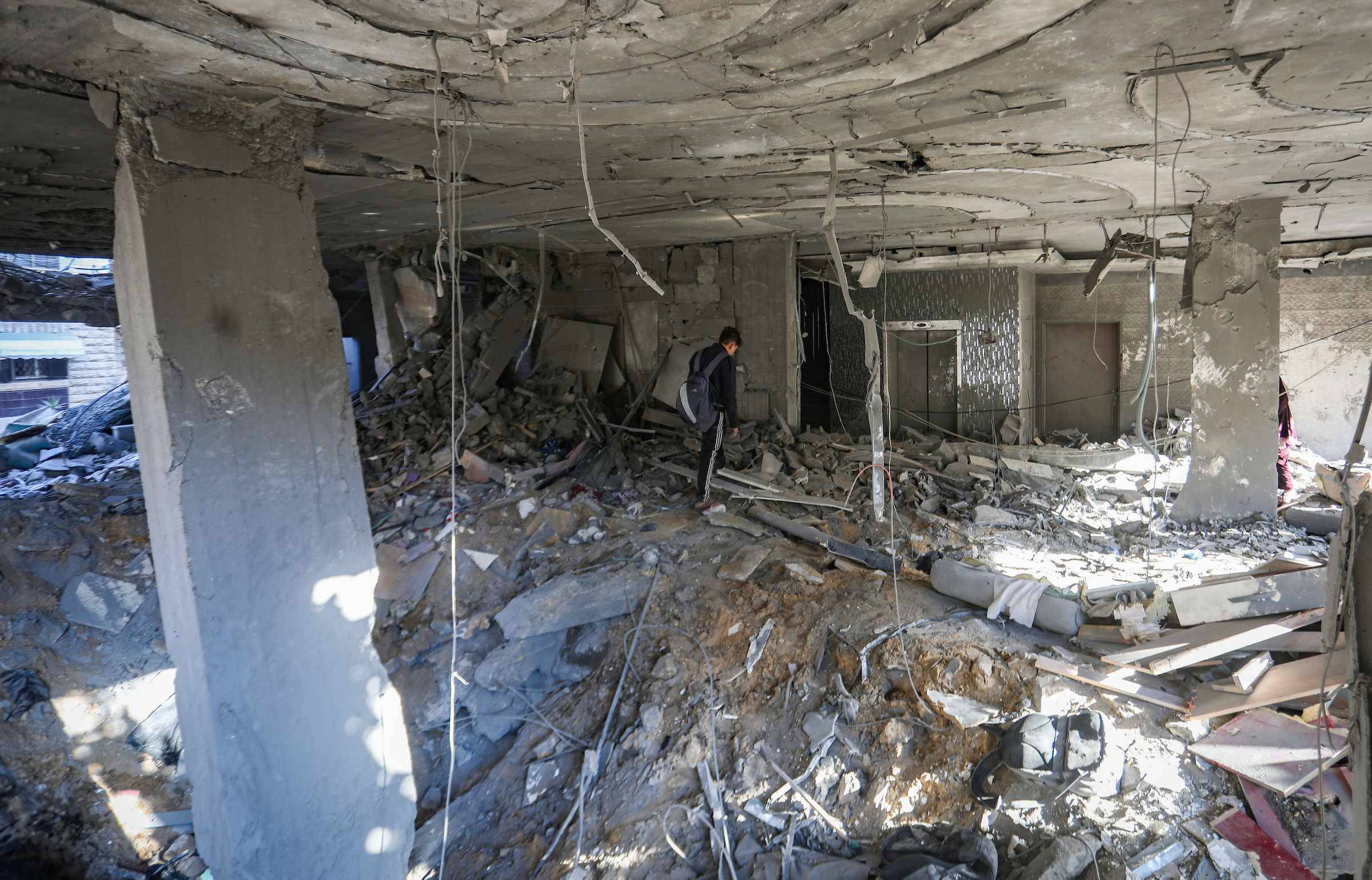
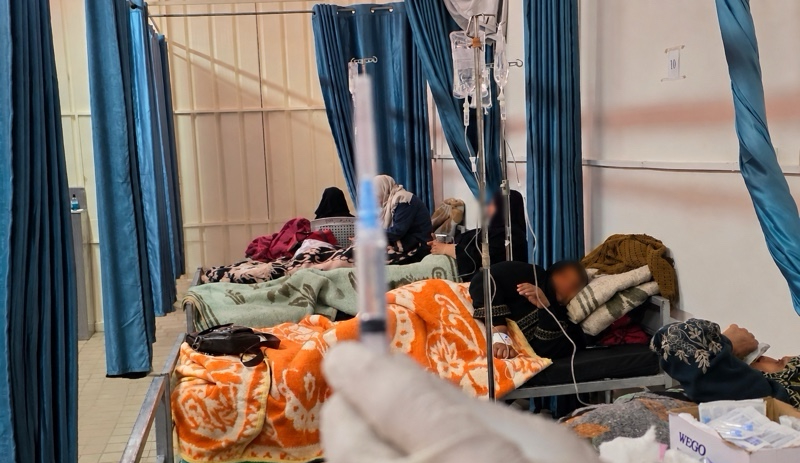
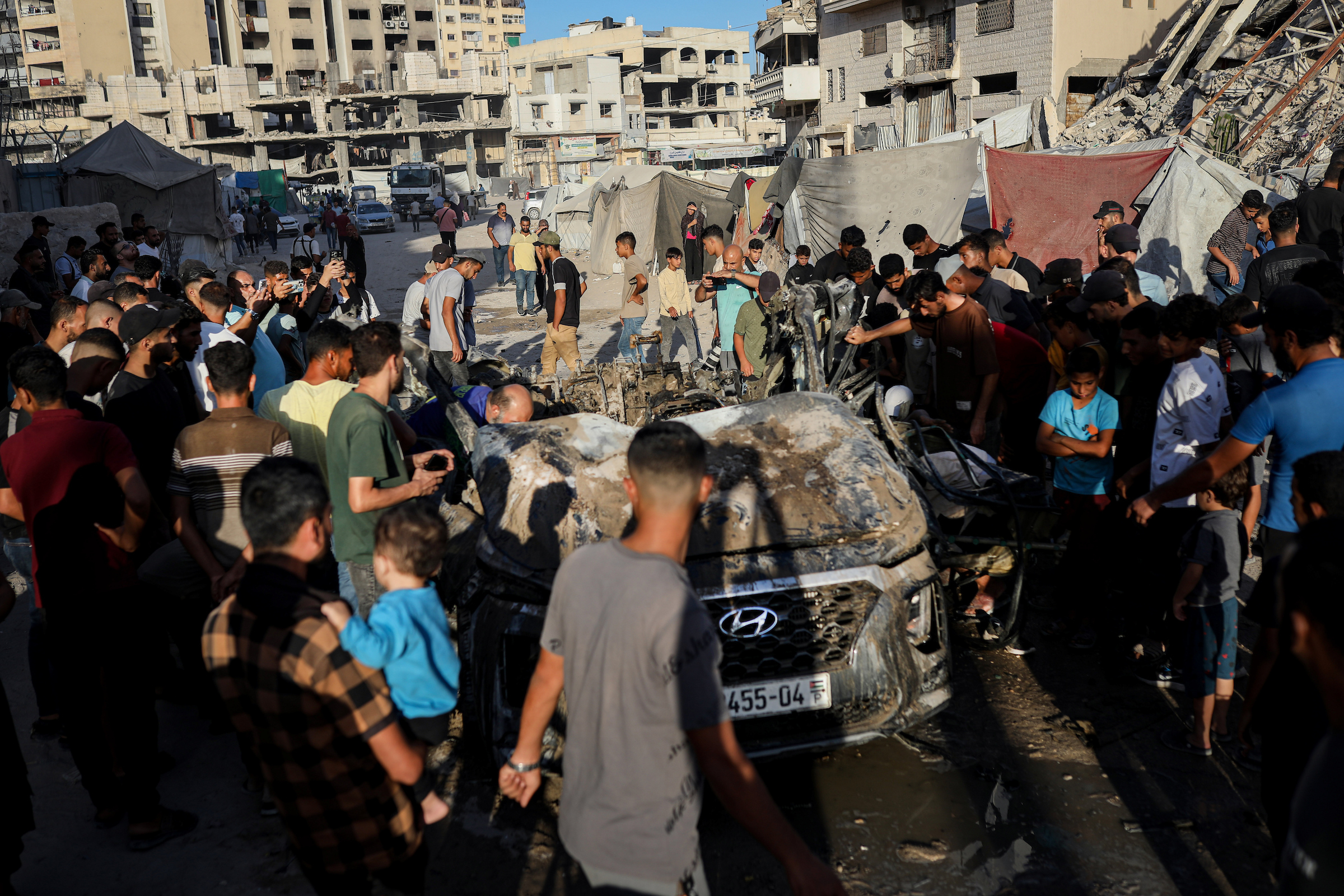
These commitments are further codified in Article 2 of the EU-Israel Association Agreement, which designates “respect for human rights and democratic principles” as an “essential element” of the Agreement and the principles upon which the provisions are based. Given these human rights commitments, in early 2025 a majority of European governments, citing concerns over potential violations of Article 2, requested a formal review. By June 2025, the EU had circulated a document summarising “serious allegations of grave violations of international human rights law (IHRL) and international humanitarian law (IHL)”. Despite concluding that “there are indications that Israel would be in breach of its human rights obligations”, the bloc took no decisive action to counter Israel’s live-streamed genocide of the Palestinian people.
The EU’s position further disregards a landmark European Citizens’ Initiative – ‘Demand the full suspension of the EU-Israel Association Agreement in view of Israel’s violations of human rights’ – which has garnered over one million signatures. It also stands in direct contradiction to the unequivocal call by 20 UN experts for the immediate suspension of the EU–Israel Association Agreement, stating that “the EU cannot credibly claim to uphold human rights while sustaining preferential trade with a State whose conduct has been found by multiple international bodies as amounting to genocide, crimes against humanity, and war crimes”. The experts made clear that “full suspension is not a matter of political discretion but a legal imperative incumbent on the European Union, and represents the minimum measure required to align its actions with its obligations under international law”.
The extent to which the EU has departed from its own foundational values where Israel is concerned is striking, though not unprecedented. For decades, Palestinian civil society organisations have been appealing to the EU to uphold its stated aims, and the binding international obligations of its Member States, by vindicating the right of the Palestinian people to self-determination. These appeals, alongside the urgent pleas of Palestinians facing accelerated destruction, dispossession and erasure, have evidently fallen on deaf ears.
By continuing to afford Israel preferential access to the European market, the EU not only shields its longstanding impunity but actively rewards conduct that egregiously violates the most fundamental provisions of international law – an example of which can be found in the recent passing of the Penal Bill (Amendment No. 159) (Death Penalty for Terrorists) into law, despite it egregiously violating the human rights of Palestinians in the OPT). This stance runs diametrically opposed to EU Member States’ obligations under the Genocide Convention; the Geneva Conventions of 1949 (including their Additional Protocols); the Apartheid Convention; the Arms Trade Treaty; the Draft Articles on State Responsibility; the EU Common Position; numerous and repeated determinations by the International Court of Justice; and established norms of customary international law.
At this juncture, only immediate and concrete action can begin to restore the EU’s credibility and standing within the international community. Anything less will remain devoid of meaning to the Palestinian people and will further erode the bloc’s claim to principled leadership as it props up a rogue, genocidal State.
Accordingly, the EU and its 27 Member States must, at a minimum:
Signatories:
The Palestinian Human Rights Organisations Council (PHROC) (representing eight Palestinian human rights NGOs)
Palestinian NGO Network (representing 139 Palestinian NGOs)