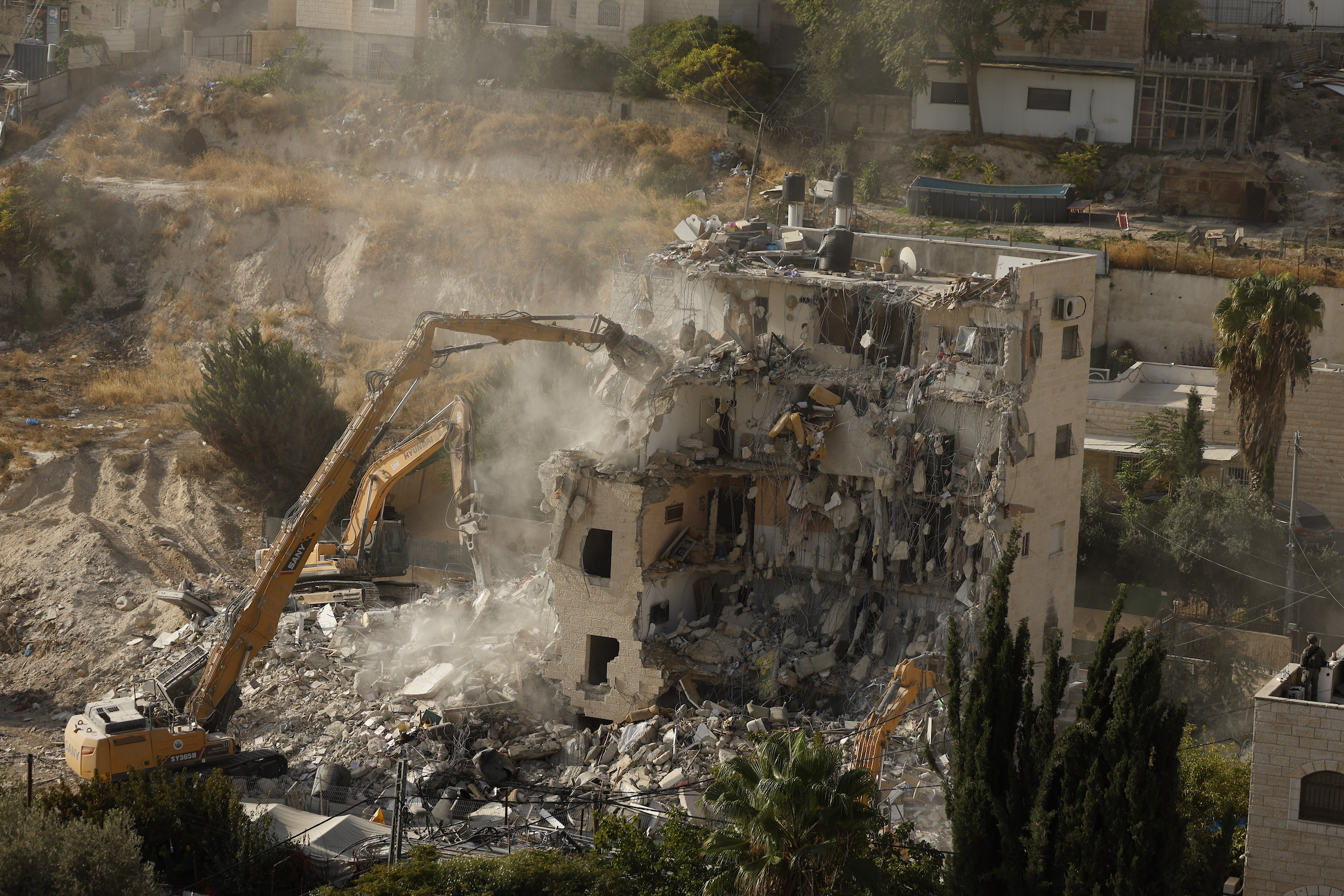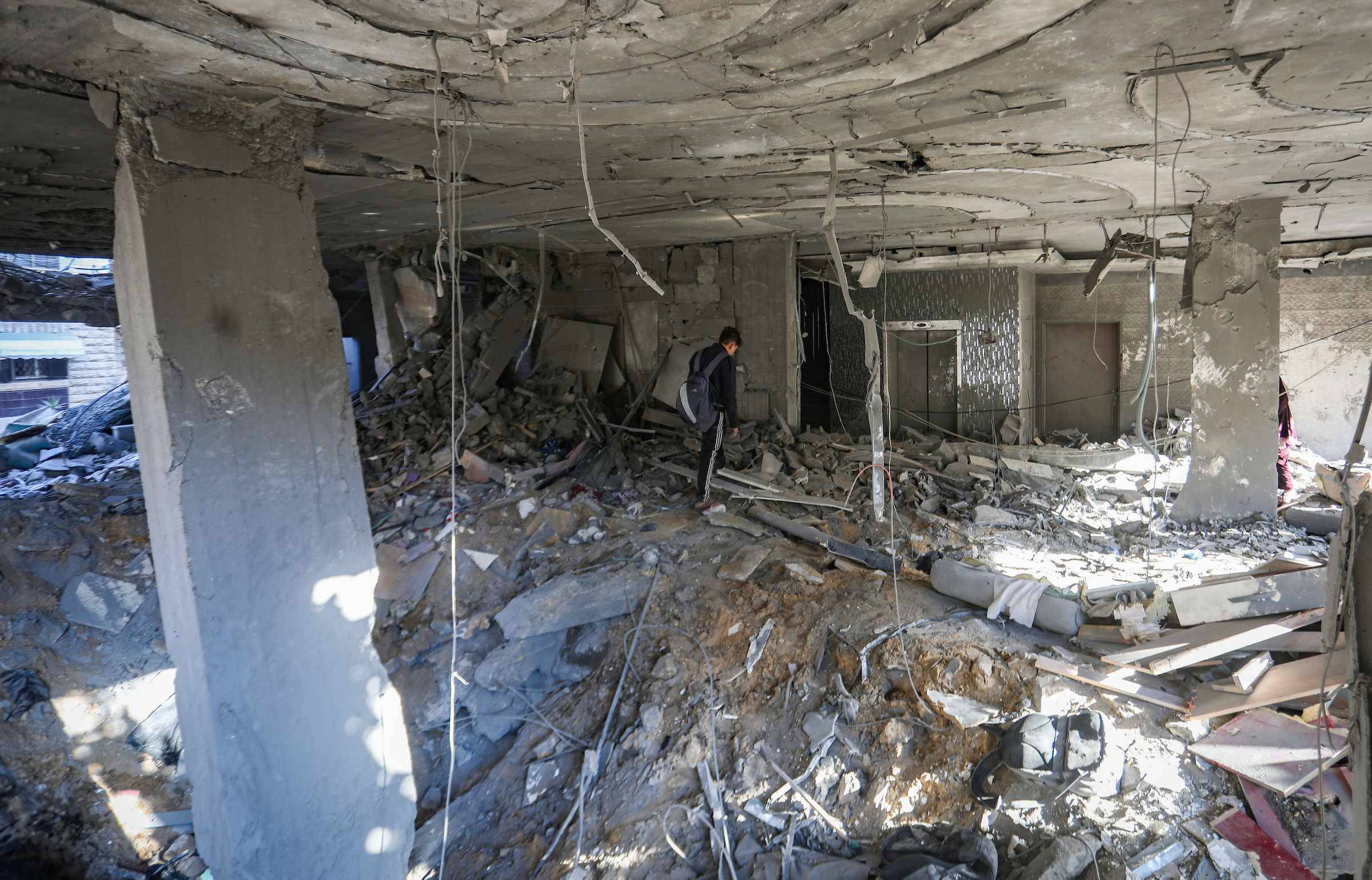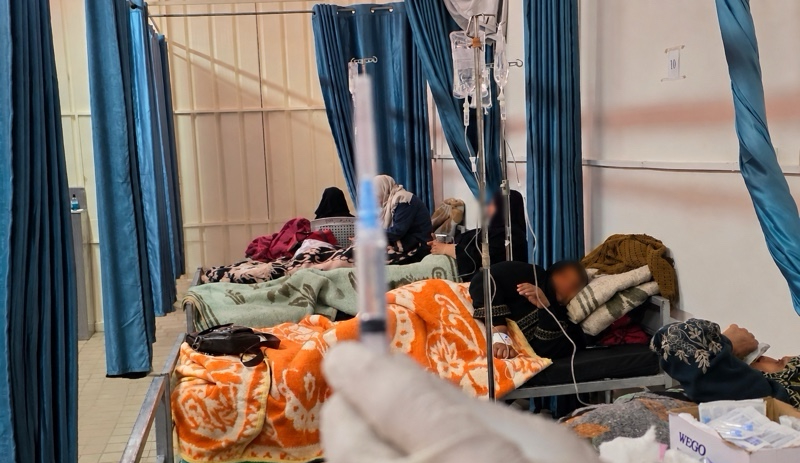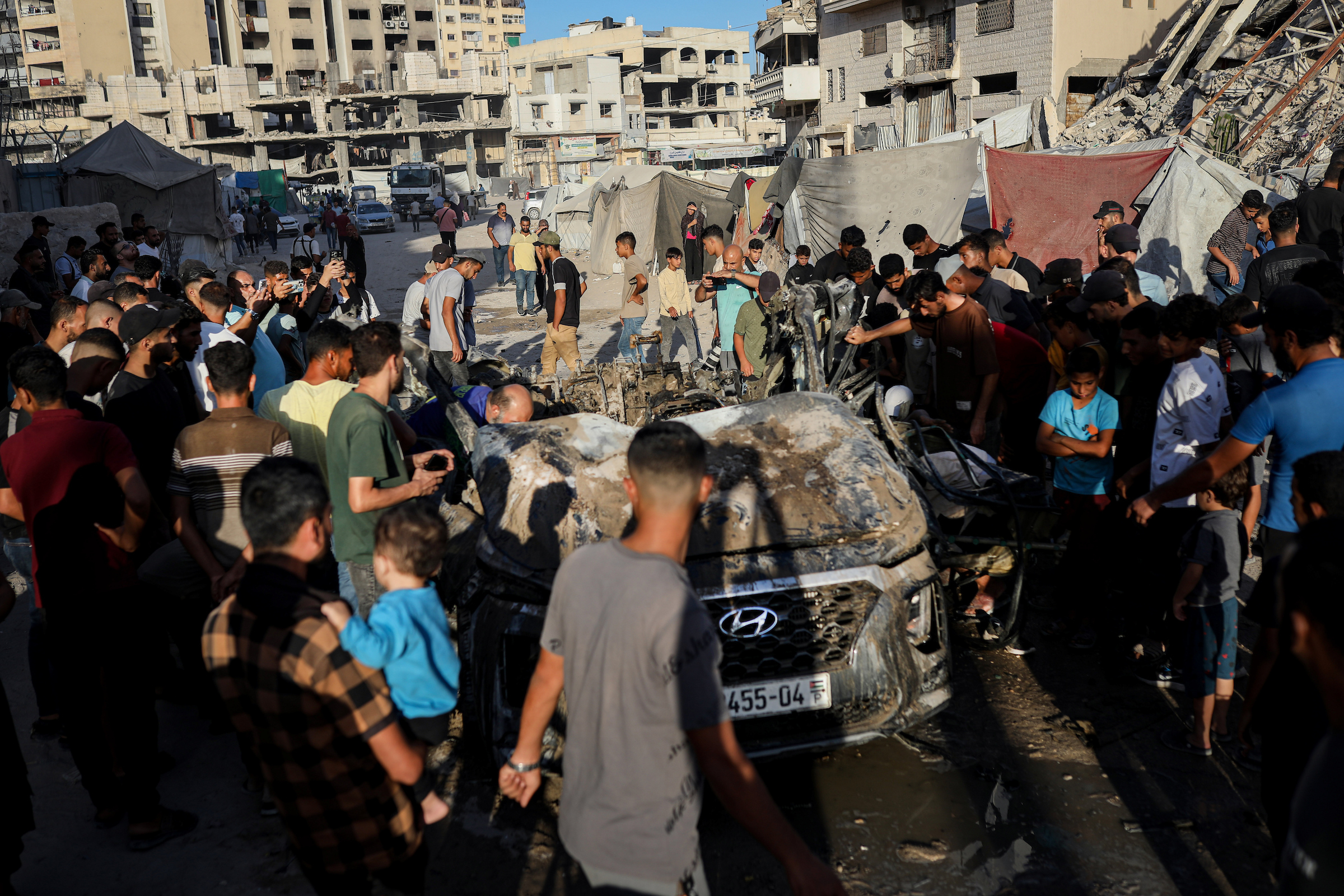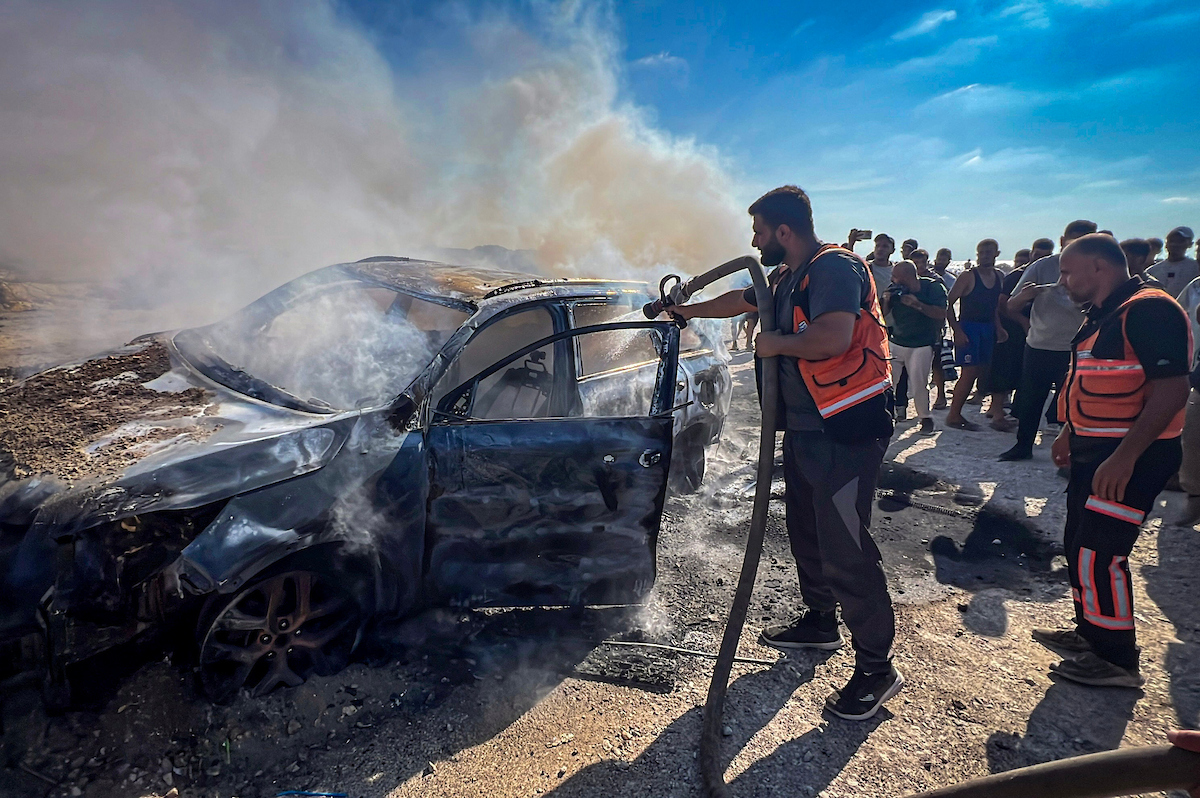
The ambulance, emergency response, and medical transport system in the Gaza Strip is facing an unprecedented and critical deterioration as a result of Israel’s suffocating siege and its continued ban on the entry of essential supplies needed to operate and repair ambulances and other medical vehicles. This has severely undermined the capacity of healthcare personnel to respond to emergencies, reach the injured and sick in a timely manner, and provide lifesaving ambulance services at a time when the Gaza Strip is experiencing one of the worst humanitarian catastrophes in its history. As casualties continue to rise, destruction expands, and medical needs reach unprecedented levels, the emergency response system is rapidly approaching collapse. This deterioration forms part of the Israeli Occupation Forces’ (IOF) systematic targeting of Gaza’s healthcare system since October 2023. That policy has included the destruction of hospitals, healthcare centers, ambulances, and other medical infrastructure; the imposition of severe restrictions on the entry of medicines, medical equipment, fuel, and other essential operational supplies; and direct attacks on medical personnel. More than 1,700 healthcare workers have been killed, over 330 have been arrested, and 88 remain in Israeli custody.1 Taken together, these policies have severely undermined the healthcare system’s ability to perform its essential functions and threaten to deprive Palestinian civilians of lifesaving medical care.
According to the Palestinian Centre for Human Rights’ (PCHR) monitoring, ambulance and medical transport services in the Gaza Strip are provided by four main entities: the Palestinian Ministry of Health, the Palestine Red Crescent Society (PRCS), the Civil Defense, and the Military Medical Services, in addition to several non-governmental organizations operating in the humanitarian and healthcare sectors. Together, these entities constitute the backbone of Gaza’s emergency response system, on which hundreds of thousands of civilians—including the injured, the sick, and persons with chronic illnesses—depend. Any attack on this system, or any obstruction of its operation or maintenance, extends far beyond the affected institution itself. It undermines the capacity of the entire healthcare sector to save lives and respond to urgent humanitarian needs.
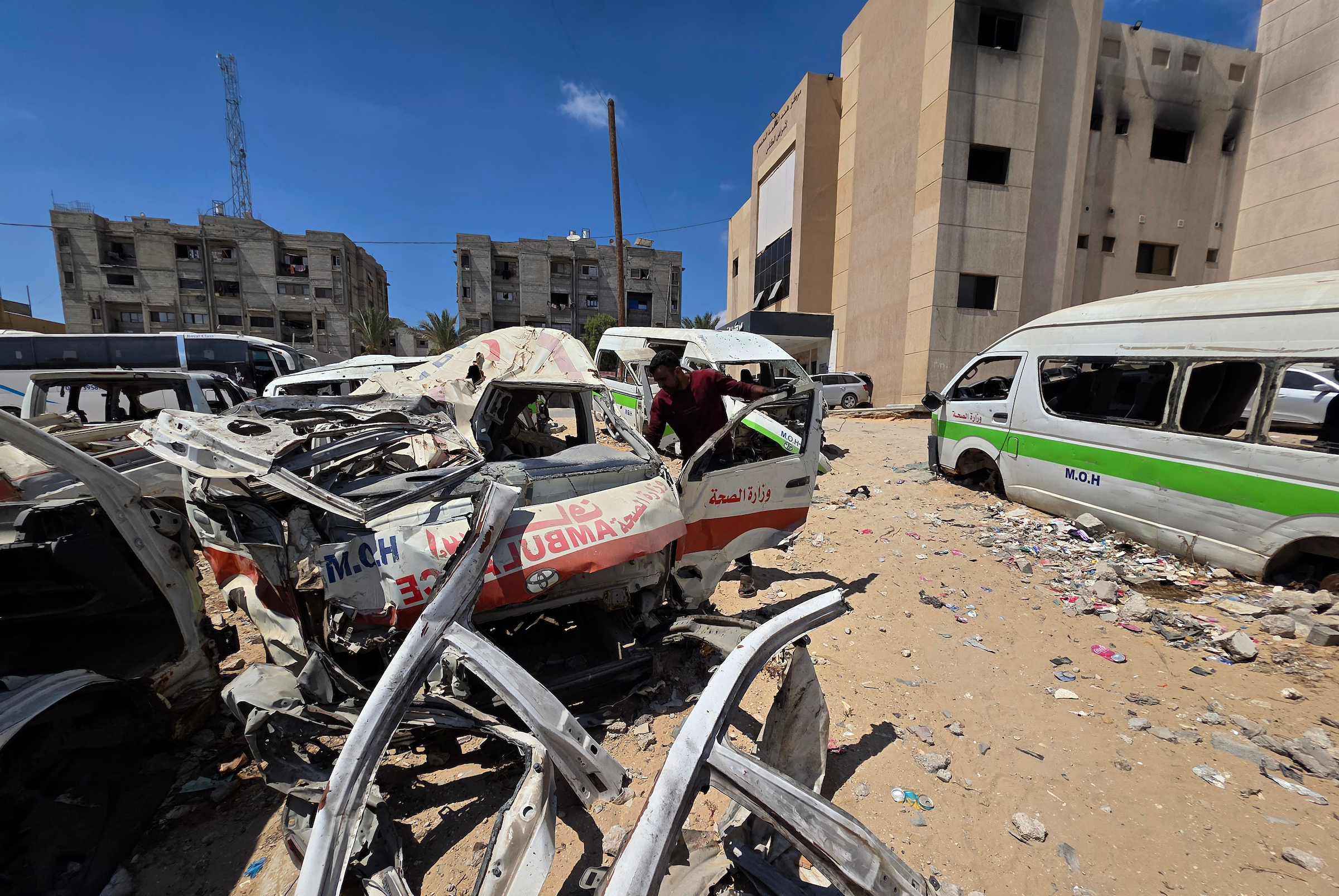
Mohammed Abu Samak, Head of the Planning Department at the Ministry of Health’s Ambulance and Emergency Unit in Gaza,2 told PCHR’s researcher that approximately 65% of the Ministry’s ambulance vehicles is no longer operational as a result of direct attacks and the accumulation of mechanical failures caused by Israel’s ban on the entry of spare parts and maintenance supplies. He explained that the Ministry owns 114 ambulances, of which 39 have been rendered completely inoperable, while another 35 require urgent maintenance. This has significantly reduced the operational capacity of ambulance services, raising serious concerns about their ability to respond to the growing needs of the injured and sick across the Gaza Strip.The remaining ambulances are also facing a severe shortage of operational supplies. Twenty-six operate on diesel fuel, while 14 rely on gasoline, both of which are available only in extremely limited quantities, placing them at constant risk of coming to a complete halt. Abu Samak added that the Ministry has also lost a substantial part of its logistical capacity after 100 service vehicles were put out of service. Of these, 30 sustained extensive damage beyond repair under the ongoing ban on the entry of spare parts, while another 80 require urgent maintenance.
The crisis has also extended to the buses operated by transport companies contracted by the Ministry of Health. For months, these vehicles have been operating without routine maintenance, raising the risk of a complete breakdown and further hindering the transportation of patients and healthcare personnel between hospitals. The Ministry of Health carries out approximately 5,000 transport missions every week to transfer patients, injured persons, and medical personnel, in addition to around 140 missions to transport medicines and medical supplies between hospitals and healthcare facilities. The loss of these vehicles would pose a direct threat to the continuity of essential healthcare services, particularly emergency medical transport and the transfer of critically ill and injured patients.3
PRCS’s situation is no better than that of the other ambulance service providers. As one of the main pillars of Gaza’s ambulance and emergency response system, it is facing the same severe operational challenges.
Raed al-Nemes, Spokesperson for the Palestine Red Crescent Society (PRCS) in Gaza,4 told PCHR’s researcher that of the 99 ambulances PRCS operated before the offensive, only 41 remain operational. Nineteen of these run on diesel and continue to carry out ambulance and emergency response missions, while the remaining 22 operate on gasoline and are used primarily for coordinated patient transfers to the border crossing due to the acute shortage of gasoline. Al-Nemes explained that 58 ambulances have been put out of service. Thirty-one were directly targeted by direct Israeli attacks, while 27 others became inoperable because of severe mechanical failures that cannot be repaired under the ongoing ban on the entry of spare parts and essential maintenance supplies.The PRCS’s logistical capacity has also drastically worsened. Of its 66 service and administrative vehicles, only 40 remain operational, including 28 that run on diesel. Twelve vehicles are currently out of operation due to the lack of gasoline, while another 26 were rendered inoperable as a result of direct Israeli attacks.
These developments indicate that the crisis is no longer confined to ambulances. It has expanded to affect the vehicles and equipment on which healthcare and humanitarian services depend, significantly undermining their capacity to respond effectively to emergencies and limiting the timely transport of the injured, the sick, and other essential medical supplies.
According to information obtained by PCHR’s researcher from the Higher National Ambulance Committee, the Military Medical Services’ ambulance convoy has been severely depleted. Of its 30 ambulances, only 8 remain operational—6 running on diesel and 2 on gasoline—while the remaining 22 have been put out of service as a result of direct attacks and mechanical failures.
The Palestinian Civil Defense, which plays a vital role in evacuations, rescue operations, and emergency response, has also seen its operational capacity significantly diminished. Of its 17 ambulances, only 10 remain operational, reflecting its declining ability to carry out its humanitarian functions amid the continued restrictions on the entry of fuel and essential maintenance supplies. 5
These findings reveal an unprecedented deterioration in the operational capacity of all major ambulance and emergency service providers in the Gaza Strip, including the Ministry of Health, PRCS, the Civil Defense, and the Military Medical Services. They also underscore that due to Israel’s continued ban on the entry of engine oil, tires, batteries, spare parts, and other essential operational and maintenance supplies, lifesaving services could cease altogether, depriving hundreds of thousands of Palestinians of access to urgent medical care and resulting in preventable deaths and injuries that could have been avoided had the necessary operational resources been available. In a previous press release, Mahmoud Hammad, Director General of Administrative Affairs at the Ministry of Health, warned that the Ministry’s stock of engine oil had been completely depleted, placing ambulance and medical transport services at imminent risk of total suspension.6
These measures go beyond merely failing to meet the operational needs of the ambulance and emergency response system. They constitute a serious violation of international humanitarian law and international human rights law, as they have led to the breakdown of medical facilities and medical transport services, preventing them from performing their humanitarian functions and depriving civilians of access to lifesaving medical care.
As the occupying Power, Israel is legally obligated under the Fourth Geneva Convention of 1949 to ensure the provision of healthcare and medical supplies to the civilian population in the occupied Palestinian territory. Articles 55 and 56 of the Convention require the occupying Power to ensure the adequate supply of medical supplies, maintain the functioning of hospitals, medical services, and public health institutions, and adopt the measures necessary to safeguard public health. Article 33 further prohibits collective punishment and all measures of intimidation or reprisal against protected civilians. Accordingly, Israel’s continued ban on the entry of tires, batteries, spare parts, engine oil, and other supplies essential to the operation and maintenance of ambulances-despite the urgent humanitarian need for them- constitutes far more than a failure to comply with these legal obligations. In practice, it paralyzes the ambulance and emergency response system, prevents injured and sick persons from reaching medical care in a timely manner, and increases the risk of preventable deaths, aggravated injuries, and further human suffering.
Ambulances, medical personnel, and medical units enjoy special protection under the Geneva Conventions and Additional Protocol I of 1977, which requires that they be respected and protected and that their humanitarian functions not be obstructed or impaired. This protection extends beyond the prohibition of direct attacks. It also prohibits measures that would deprive these protections of their practical effect, including preventing the entry of the equipment and supplies essential for the continued operation of ambulance and medical transport services.
The disruption of the ambulance and medical transport system also constitutes a direct violation of the right to the highest attainable standard of health, as guaranteed under Article 12 of the International Covenant on Economic, Social and Cultural Rights (ICESCR). The UN Committee on Economic, Social and Cultural Rights, in its General Comment No. 14, has affirmed that this right requires health services to be available, accessible, and provided in a timely manner, particularly emergency and urgent medical care. These obligations cannot be fulfilled while medical transport services remain crippled and the supplies essential for their operation and maintenance continue to be denied.
These practices form part of the broader, ongoing systematic targeting of Gaza’s healthcare system since October 2023. This has included attacks on hospitals, medical personnel, and ambulances, as well as restrictions on the entry of medicines, medical equipment, fuel, and the operational and maintenance supplies. Such acts may amount to war crimes under the Rome Statute of the International Criminal Court, as they involve attacks on and obstruction of medical transport, impede access to lifesaving medical care, and deprive the civilian population of materials and services indispensable to their survival.
Moreover, the deliberate imposition of conditions of life calculated to undermine the survival of the population of the Gaza Strip, including the systematic deprivation of essential healthcare and the obstruction of ambulance and emergency response services—constitutes one of the underlying acts of the crime of genocide. In particular, it falls within Article II(c) of the 1948 Convention on the Prevention and Punishment of the Crime of Genocide, which prohibits “deliberately inflicting on the group conditions of life calculated to bring about its physical destruction in whole or in part.”
Israel’s ongoing siege and continued ban on the entry of the supplies necessary to operate and repair ambulances and medical transport vehicles, coupled with the widespread destruction inflicted on Gaza’s healthcare system since October 2023, pose a real and imminent threat to the continuity of ambulance and emergency response services in the Gaza Strip. This places the lives of hundreds of thousands of civilians—particularly the injured, the sick, and persons with chronic illnesses—at grave risk. The continued failure of the international community to take effective measures to end these violations has further entrenched the prevailing culture of impunity and emboldened Israel to continue committing grave breaches of international law. Accordingly, the Palestinian Centre for Human Rights (PCHR):