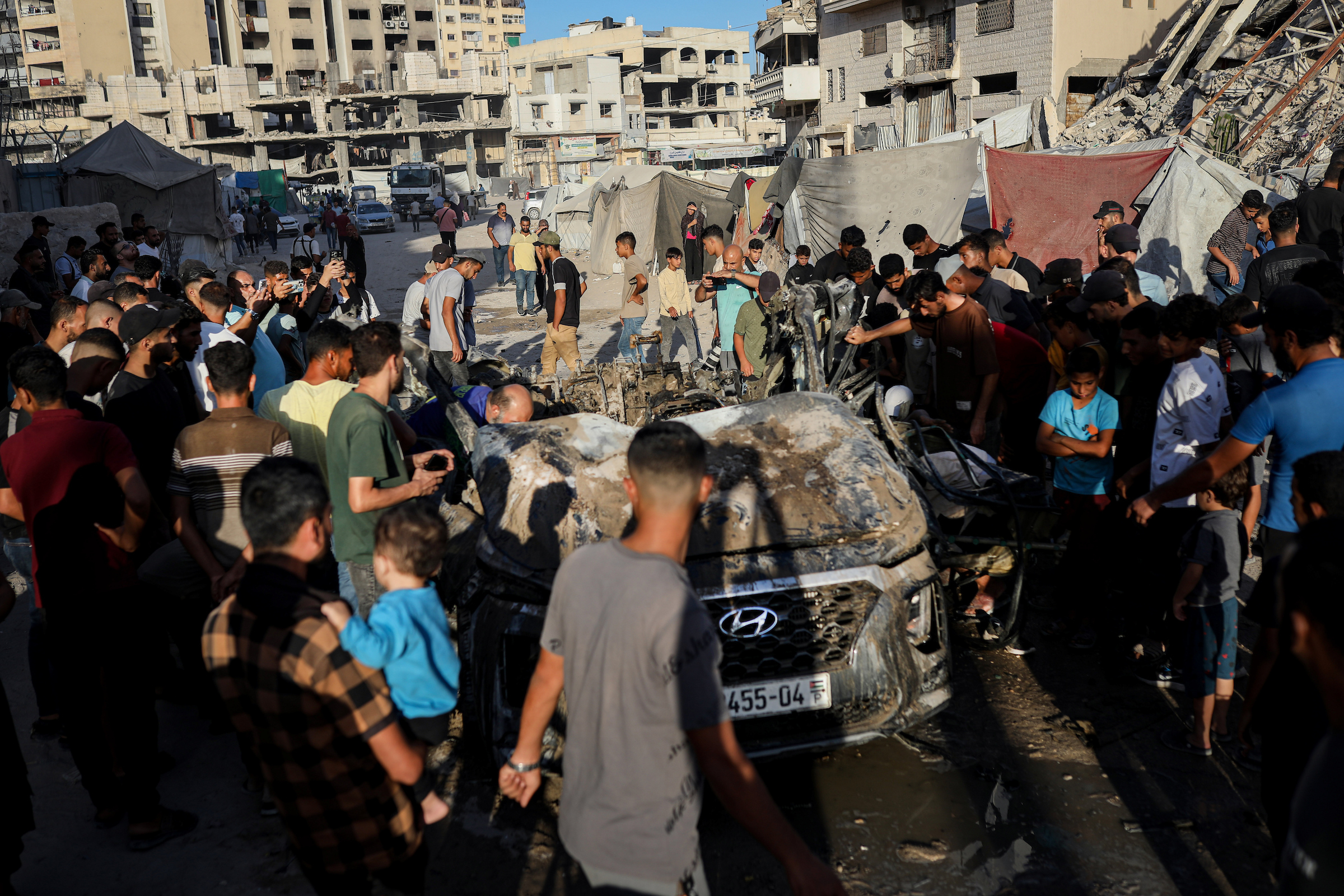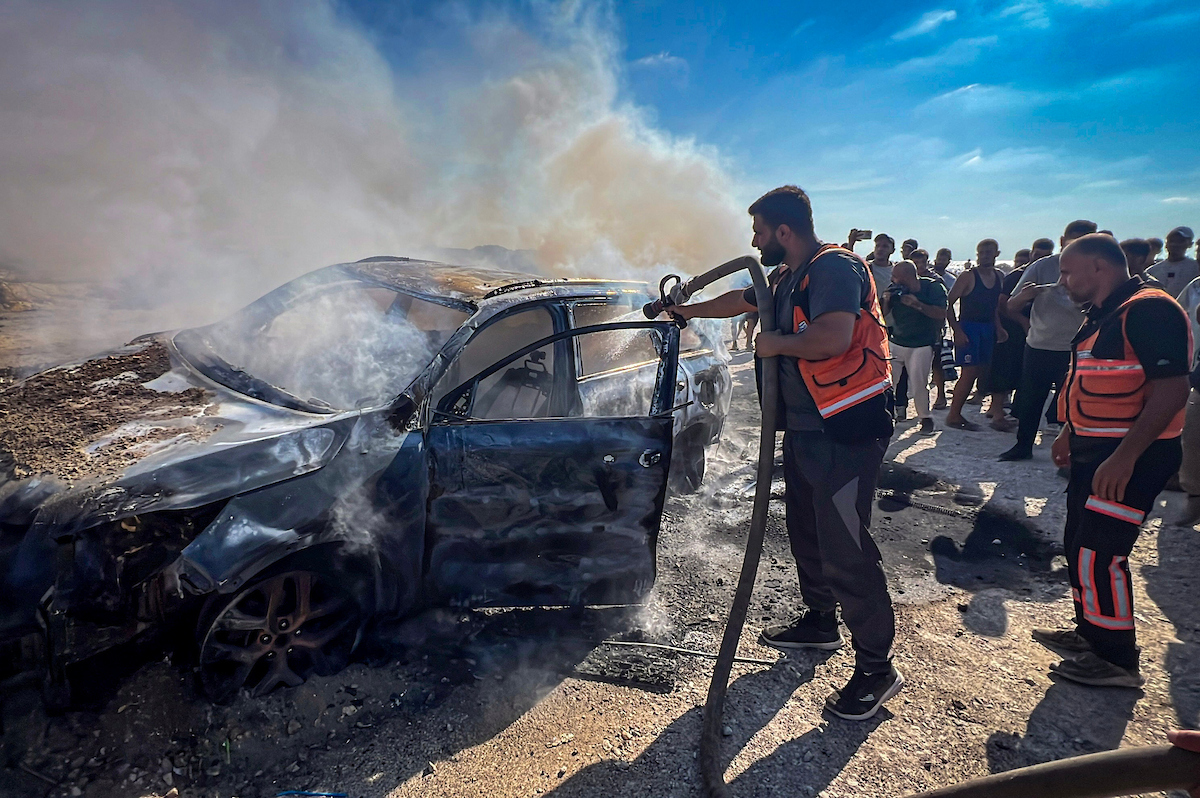
The Palestinian Centre for Human Rights (PCHR) documented 15 attacks carried out by the Israeli Occupation Forces (IOF) between 24 and 29 August 2026 in various areas across the Gaza Strip. These attacks killed 22 Palestinians and injured dozens more, while destroying homes, mosques, prayer halls, economic and service facilities, and water plants.
The documented incidents included airstrikes and direct attacks targeting civilians as they moved through or gathered in front of their homes, in residential areas, and in displacement tents. Moreover, the attacks included the targeting of civilian gatherings, as well as IOF incursions and gunfire directed at civilians.
Among the most significant attacks documented by our field researchers were:
At around 20:20 on Saturday, 29 August 2026, an Israeli drone targeted a group of young men in al-Amal neighborhood, west of Khan Younis, killing Yasser Mahmoud Khalil Abu al-Kheir (21) and injuring two others. The injured were taken to Naser Medical Complex for medical treatment. One of them, Mohammed Shaf’ie Isma’il Naser al-Deen (20), sustained serious injuries and was pronounced dead by doctors in the early hours of Sunday, 30 August 2026.
At around 16:20 on Saturday, 29 August 2026, an Israeli drone targeted Ra’ed ‘Adel Mohammed Hannoun (‘Elian) (24) while he was riding a bike near Carefor Mall in the Tal al-Hawa neighborhood, west of Gaza City. He was killed in the attack, while four others sustained various injuries, including ‘Abdel Fattah Saleh ‘Abdel Fattah Abu al-‘Eish (33), who sustained critical injuries. Around an hour later, doctors pronounced him dead after he succumbed to his injuries.
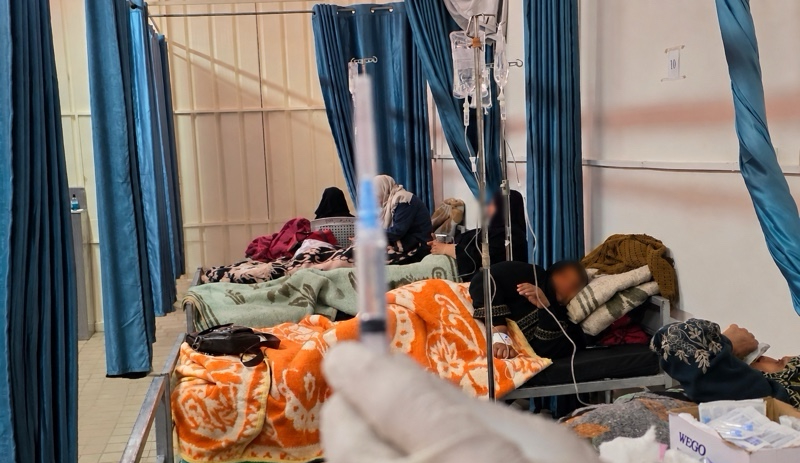
At around 14:35, an Israeli drone fired two missiles at a tent located between the maternity ward and the administration building of al-Shifa Martyrs Hospital. As a result, three people sustained minor injuries and were transferred to the hospital’s Reception and Emergency Department for medical treatment.
At around 08:30, IOF’s vehicles advanced along the Yellow Line, southeast of al-Maghazi refugee camp and east of al-Musadar village in the central Gaza Strip and started razing operations under very heavy gunfire. At around 10:15, a farmer namely Hamouda Fayeq Mohammed al-‘Attar (19) was shot by a bullet believed to have been fired by the IOF operating in the area.
At around 16:40 on Friday, 28 August 2026, an Israeli drone fired a missile at a group of people gathered near the New Street intersection and al-Nafaq Street in Gaza City. As a result, Hani ‘Abdel Hay Fakhri al-Mathloum (40) and others sustained various injuries.
At around 14:45, an Israeli drone fired a missile at Hasan Zidan Hasan al-Deiri (35) while he was riding a bicycle in al-Sabra neighborhood in Gaza City, killing him instantly.
At around 09:00, an Israeli drone targeted three members of the ‘Abdeen family while they were sitting in front of their house, approximately 250 meters from the Yellow Line in al-Qarrarah, northeastern Khan Younis. The attack killed Lafi Fayez Lafi ‘Abdeen (41), his brother Tayseer (26), and their cousin ‘Abdel Hameed Mohammed ‘Abed ‘Abdeen (38). According to the Department of Forensic Medicine and the victims’ families, the bodies arrived at the hospital without limbs and with severely disfigured faces, and the victims were identified by their families based on the clothes they were wearing.
At around 18:40 on Thursday, 27 August 2026, an Israeli drone fired a missile at a tent near Ansar Intersection in western Gaza City. As a result, Ibrahim Nabil Ibrahim al-Bess (40) was killed and three others sustained various injuries.
At around 16:50, an Israeli drone fired a missile at an electric bike ridden by Hamdi Ahmed Hamed Kuheil (45) near al-Sina’ah Intersection in Gaza City. He was killed instantly, while three others sustained various injuries, including one who sustained critical injuries.
At around 13:54, an Israeli drone attacked a displacement tent near al-Hayyah Street, northwest of Mawasi Khan Younis. As a result, ‘Azzam Ref’at ‘Abed al-‘Abadlah (28).
At around 10:25, an Israeli drone fired a missile at the roof of a house belonging to the Rukei’ie family, east of Baker Land in the al-Rimal neighborhood, west of Gaza City. Two Palestinians were injured, one of whom sustained critical injuries. They were transferred to al-Shifa Medical Complex, where medical sources announced around four hours later that one of them, Bilal Ibrahim Saleh Rukei’ie (33), succumbed to his injuries.
At around 10:43 on Wednesday, 26 August 2026, an Israeli drone attacked a displacement tent in Ghaith Camp, northwest of al-Mawasi in Khan Younis, killing Isma’il Mohammed Ibrahim al-Breem (36) and injuring five others. They were transferred to field hospitals and Naser Medical Complex for medical treatment.
At around 18:00 on Tuesday, 25 August 2026, an Israeli drone fired a missile at a group of Palestinians gathered near al-Khulafaa’ al-Rashideen Mosque in Jabalia refugee camp in the northern Gaza Strip. Four Palestinians were killed and two others were injured. The killed were identified as Taher ‘Awni ‘Abdel Fattah ‘Atallah (32), Amir Wael Sharif ‘Assaf (30), Baraa Mohammed ‘Issa al-Tannani (26), and Ramzi Ibrahim Salameh Nasrallah (19).
At around 14:00, an Israeli drone targeted a group of Palestinians near Tabariya Station, northwest of al-Mawasi in Khan Younis, killing Amir Ahmed Ibrahim al-Kadash (23) and injuring four others, who sustained various injuries.
At around 19:15 on Monday, 24 August 2026, an Israeli drone targeted two Palestinians near the Albanian Mosque, southwest of Khan Younis, killing Tahseen Mohammed Salim Abu Amoona (55) and injuring six others, including children. One of the injured, Rezeq Suhail Suleiman Abu Shahmah (31), sustained serious injuries and was pronounced dead by doctors the following morning after succumbing to his injuries.
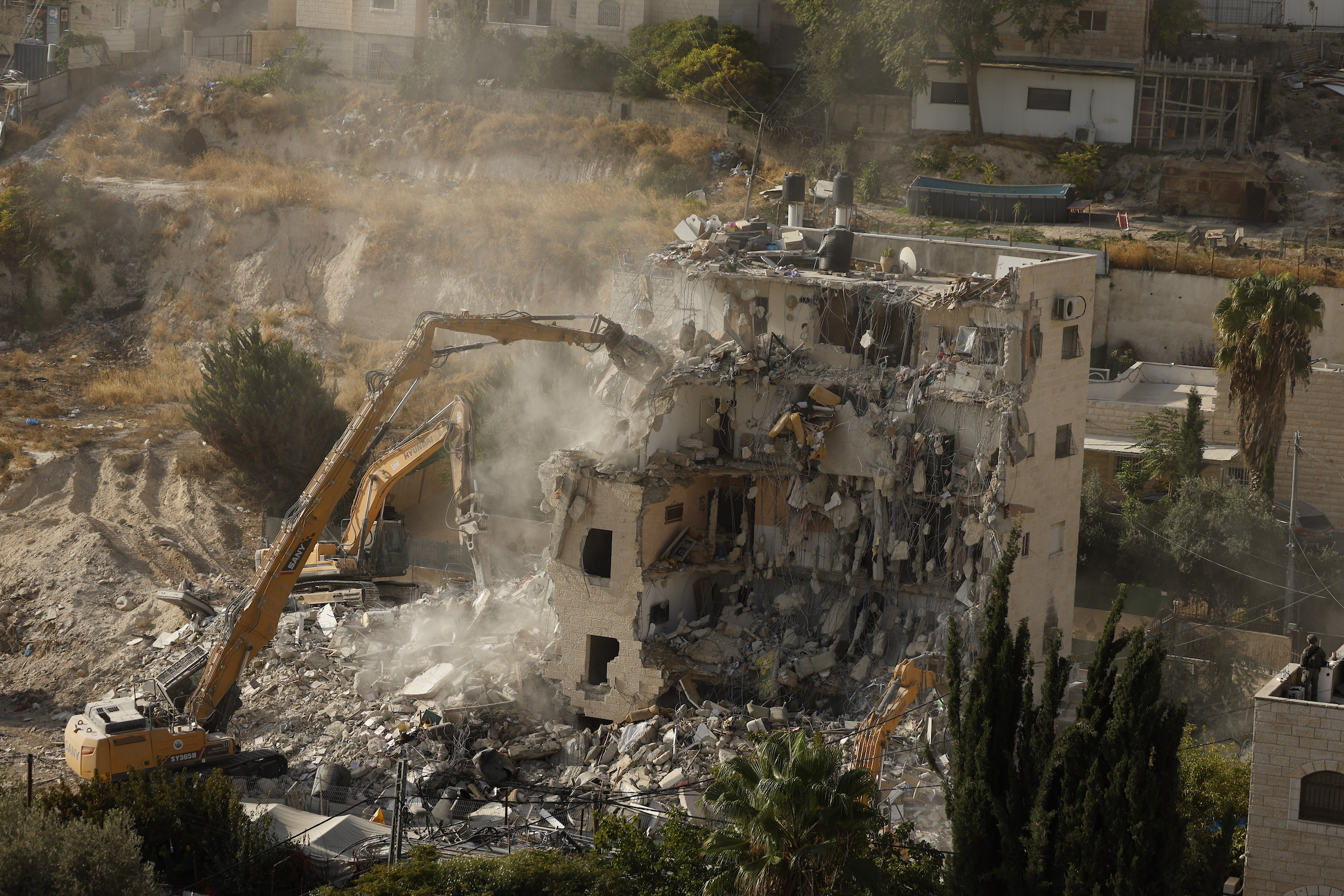
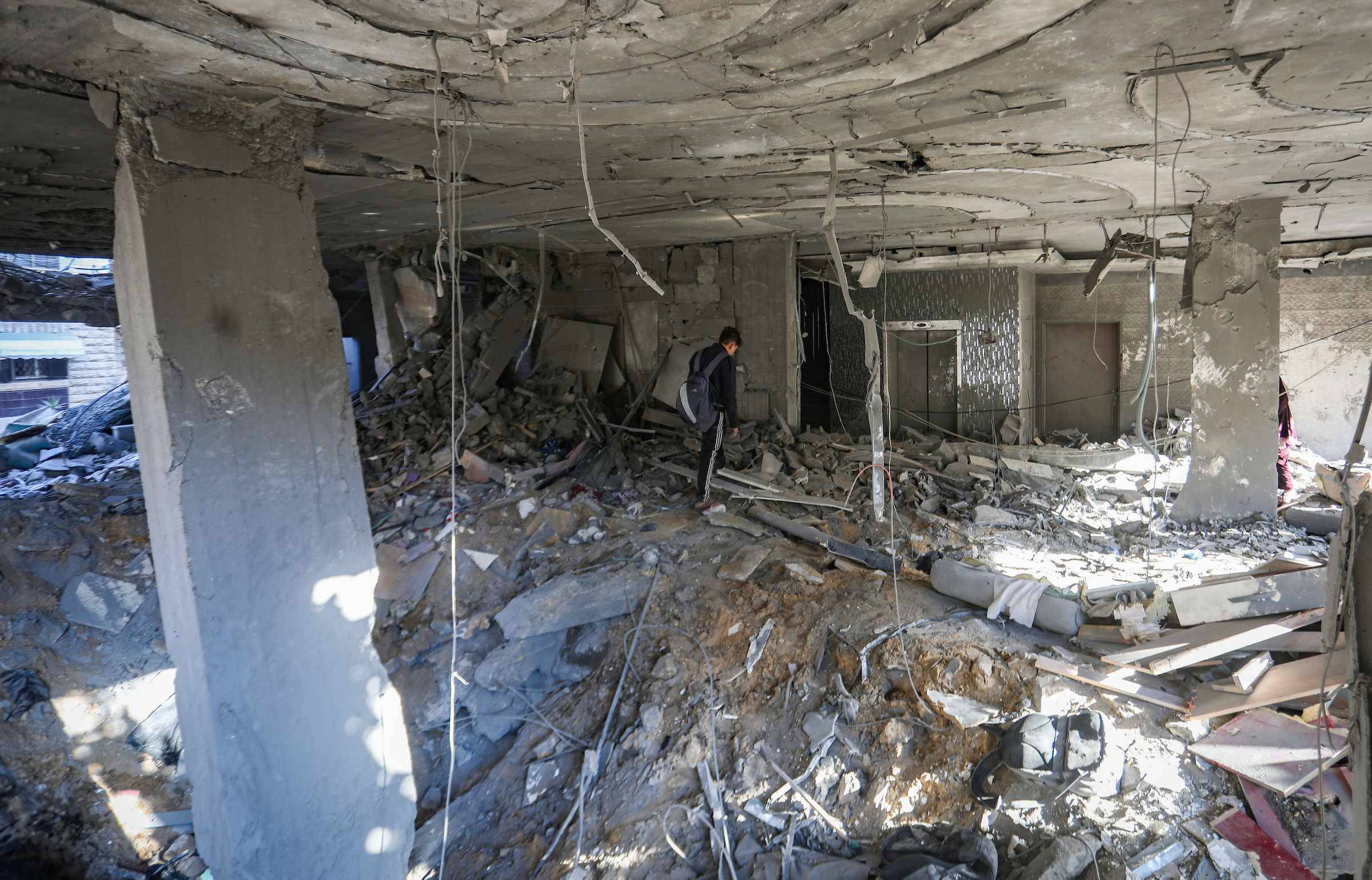
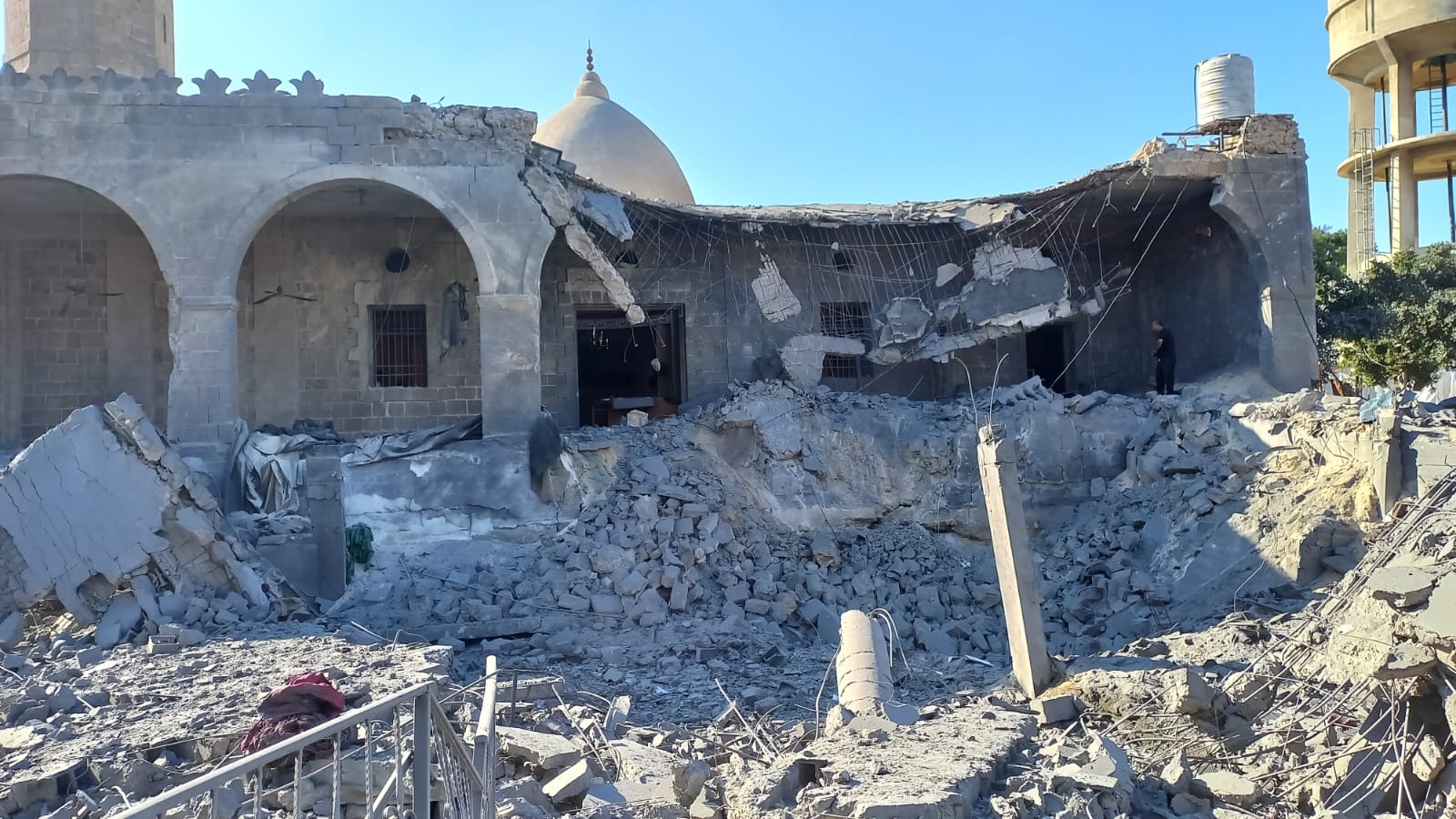
In parallel with the killings, the IOF continue their widespread destruction of the remaining homes and civilian objects across the Gaza Strip, including religious, economic, and service facilities, following the issuance of urgent evacuation orders to residents via direct phone calls.
PCHR’s field researchers documented a number of these incidents, particularly on 24 August 2026, when, in several cases, no more than 25 to 35 minutes separated the phone calls to residents ordering them to evacuate and the Israeli warplanes carrying out the subsequent airstrikes. The most significant incidents included:
A house belonging to Jaber Fayyad in western Deir al-Balah was completely destroyed while nearby houses, displacement tents and a food warehouse sustained damage, around 25 minutes after the evacuation order was issued.
The historic Abu Salim Mosque, built in 1951, in central Deir al-Balah, was destroyed causing extensive damage to the mosque and neighboring homes and injuring three Palestinians, approximately 25 minutes after the evacuation order was issued. The airstrike also caused a crater approximately 6 meters deep and 10 meters in diameter.
Al-Wer family home in al-Bureij refugee camp was completely destroyed. As a result, the rubble fell onto a neighboring home, causing the disappearance of a mother and her two children. The body of two-and-a-half-year-old son, Hassan Yazan al-Qatrawi, was later recovered, while his mother and brother were injured. The attack occurred only around 35 minutes after the evacuation order was issued.
The prayer hall of the ‘Asqalan Mosque and the adjacent home belonging to the Joudeh family in the northern al-Shati area of Gaza City were destroyed, injuring four Palestinians and damaging nearby shops, homes, and displacement tents.
The water desalination plant and al-Salam Market, both operated by the Sheikh Radwan Neighborhood Zakat Committee, were destroyed while the prayer hall of al-Ridwan Mosque and neighboring homes sustained damage.
PCHR stresses that the short time between the issuance of evacuation orders and the subsequent bombardment and destruction of targeted areas overcrowded by residents and displaced persons and amid the absence of safe means of transportation, and the widespread collapse of basic services effectively deprives the population of any genuine possibility of evacuating safely. In such circumstances, these calls cannot be considered effective warnings but rather a mere formality preceding the destruction operations, leaving families with no choice but to endure further forced displacement without access to safe and adequate shelter, following dozens of displacement operations over the past three years.
PCHR emphasizes that the deliberate and systematic destruction of houses, along with the targeting of mosques, economic facilities, water plants, and other civilian objects on which the population depends in their daily lives, cannot be viewed in isolation from a broader policy aimed at rendering large areas of the Gaza Strip uninhabitable, forcing Palestinians into recurrent displacement and depriving them of the essential conditions for stability and return. This policy forms part of the ongoing ethnic cleansing of Palestinians and constitutes part of a broader pattern of genocide in the Gaza Strip.
In light of the above, PCHR reiterates its call on the international community to take immediate action to halt Israeli crimes against Palestinians in the Gaza Strip, ensure the protection of civilians, and put an end to killings, attacks, destruction, and forced displacement. PCHR further calls for ensuring accountability and taking necessary measures to hold those responsible accountable, thereby ending impunity for the perpetrators of war crimes, crimes against humanity, and genocide.