The Palestinian Centre for Human Rights (PCHR) strongly condemns the latest statements by Israeli Defense Minister Israel Katz, in which he reiterated that a plan is ready to forcibly displace large numbers of Palestinians from the Gaza Strip “by sea, land and air,” and that this course of action has been prioritized within Israel’s current strategy, pending a green light from the United States. These statements amount to an official acknowledgment and admission, at the highest levels of Israeli decision-making, of Israel’s intent to forcibly displace Palestinians from the Gaza Strip. They further confirm that what is being internationally presented under the guise of a ceasefire and the so-called “Trump peace plan” serves merely as political cover for a parallel course aimed at the depopulation of the Gaza Strip of its Palestinian population.
Katz made these statements during a press conference on Wednesday, 2 September 2026, stating,” In the end, there is no real solution for Gaza without this migration,” and that “the United States President Donald Trump has frozen the plan and not taken off the table entirely.” He added that the Israeli Government, “is organized and prepared to get them out — by sea, by air, by every way possible.”1
These statements revive the official and outspoken discourse that emerged in Israel during the first weeks of its genocidal campaign in the Gaza Strip, when Israeli calls for the “emigration” of Palestinians were accompanied by unlawful forced displacement orders on a scale unprecedented in the history of the Gaza Strip. At the time, these orders encompassed the entire Gaza City and northern Gaza, as well as villages and refugee camps east of Khan Younis and Rafah, before later extending to Rafah in a gradual process that effectively resulted in the forced internal displacement of the overwhelming majority of the Gaza Strip’s population. Nearly three years later, the same language has resurfaced, this time explicitly articulated by the Israeli Defense Minister, Israel Katz, underscoring that the mass killings, widespread destruction, siege, and starvation committed by the Israeli Occupation Forces (IOF) against Palestinians have served—and continue to serve—as the conditions paving the way for a project of permanent forced displacement that has never ceased. The current discourse over the appropriate timing for its implementation therefore constitutes nothing less than an openly declared resumption of a policy that has existed from the very outset of Israel’s war on the Gaza Strip.
These statements take on an even greater gravity when considered alongside the Israeli Prime Minister Benjamin Netanyahu’s recent visit to the Gaza Strip, during which he emphasized that the IOF control approximately 60% of the Strip’s territory and will not withdraw from these areas. Taken together, these statements—issued by Israel’s two highest authorities, political and military—reveal two interconnected dimensions of the same policy: one calls for the forced displacement of the remaining Palestinian population, while the other signals the de facto annexation of Palestinian land. Both point to a clear and deliberate plan to fundamentally re-engineer the geography and demographic composition of the Gaza Strip, in stark contradiction to any declared commitments regarding the withdrawal of IOF or the reconstruction of the Gaza Strip for its Palestinian population.
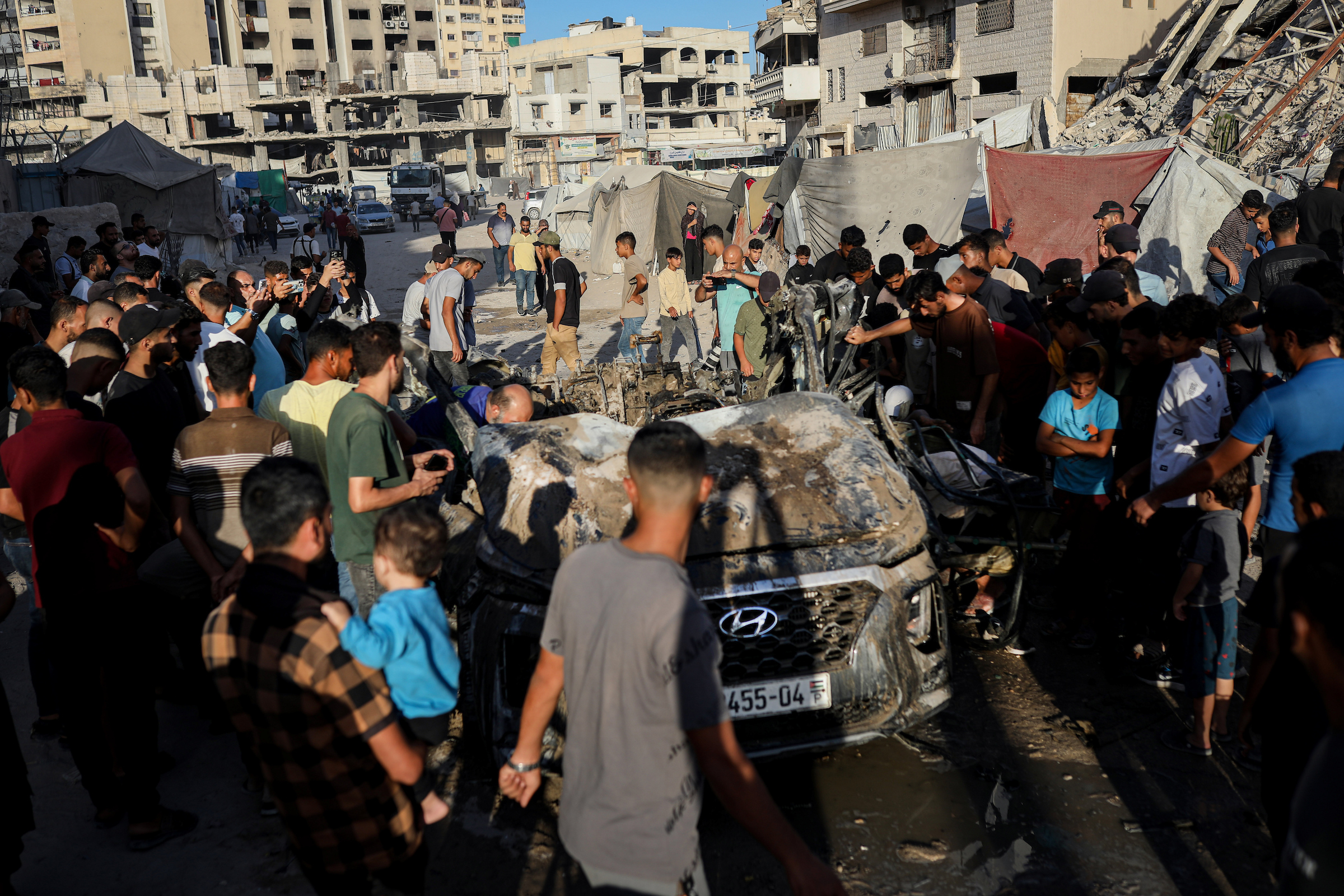
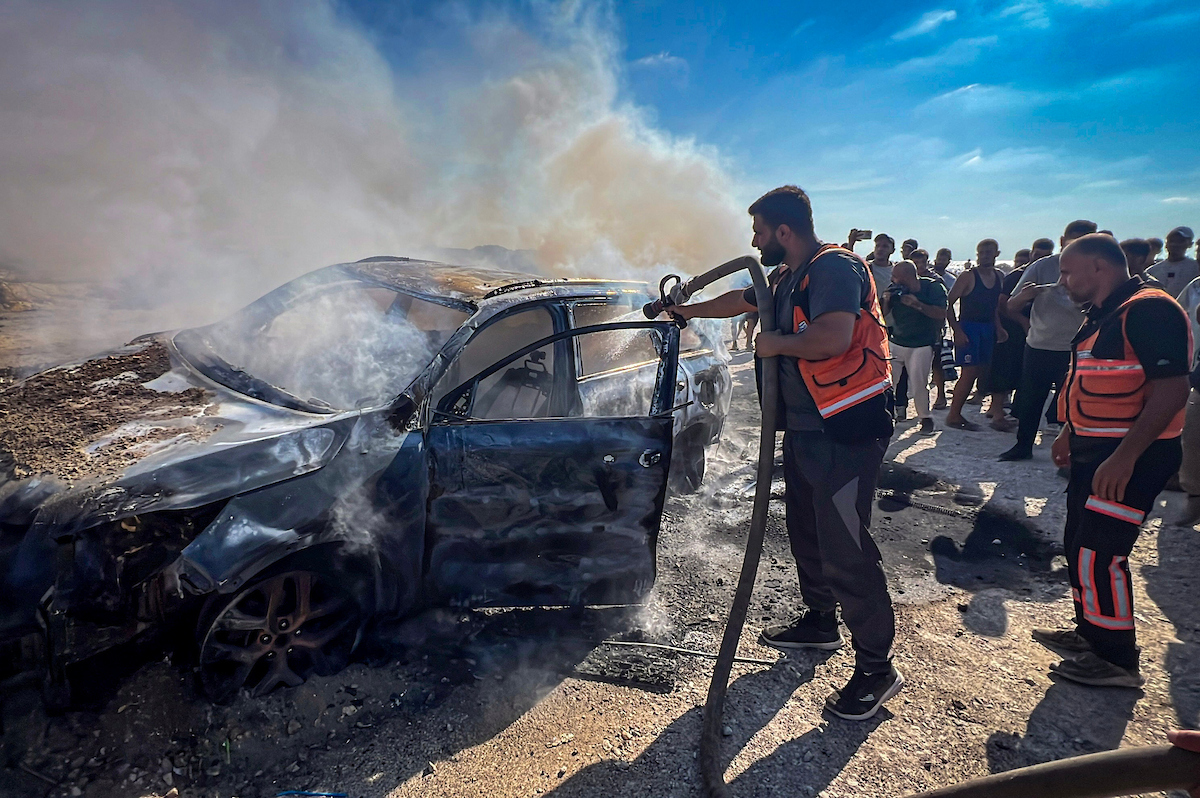
These statements cannot be viewed in isolation from the ongoing daily reality of killings, devastation, and the systematic destruction of the conditions necessary for life in the Gaza Strip. The latest casualty figures indicate that 73,470 Palestinians have been killed and 174,540 others injured out of a population of approximately 2.2 million Palestinians in the Gaza Strip. This means that nearly 12% of the population—approximately one in every nine Palestinians—has been either killed or injured in less than three years. This staggering figure is a stark indication of the scale of the systematic targeting of the civilian population and renders any discourse on a ceasefire devoid of its substance and meaning on the ground.
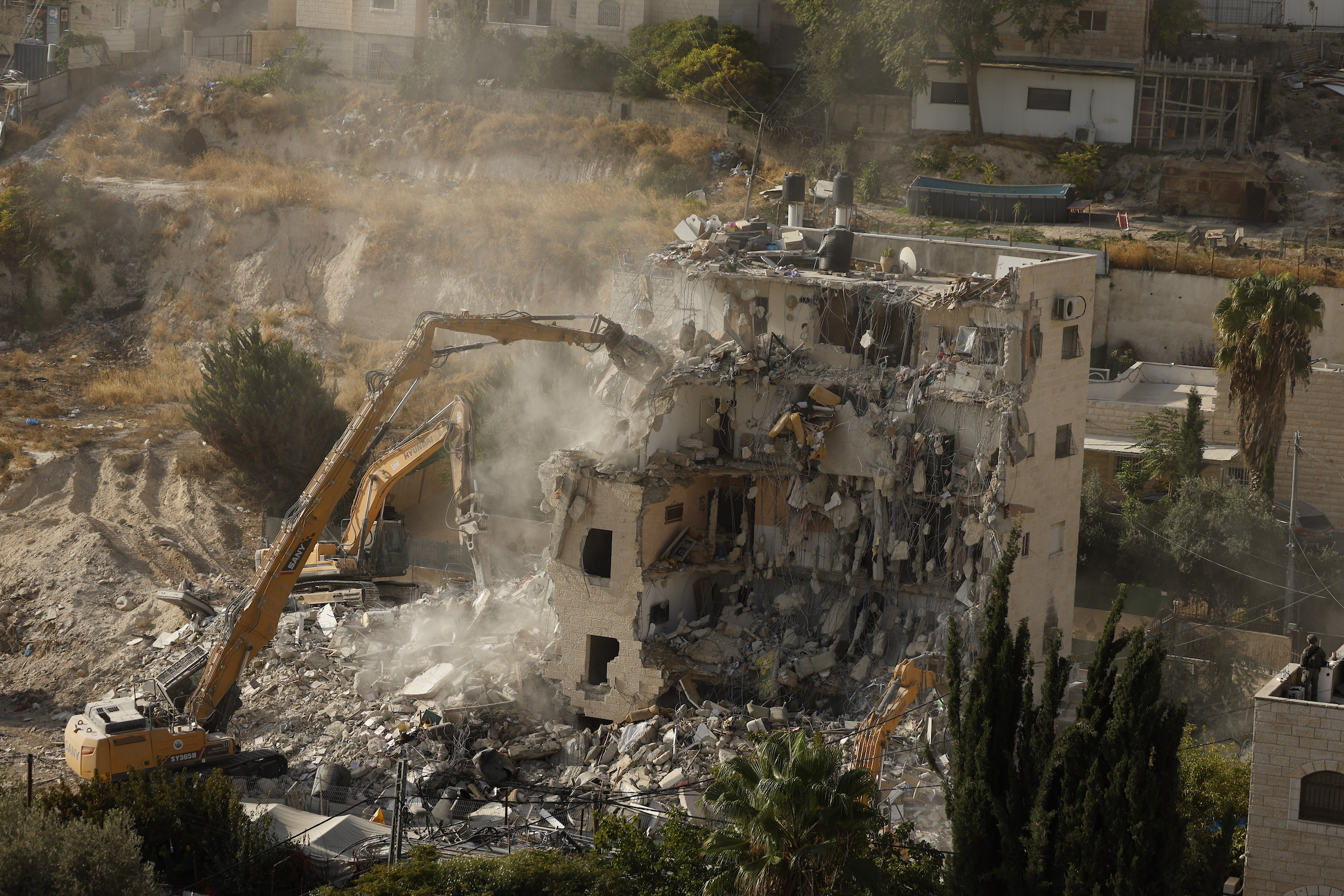
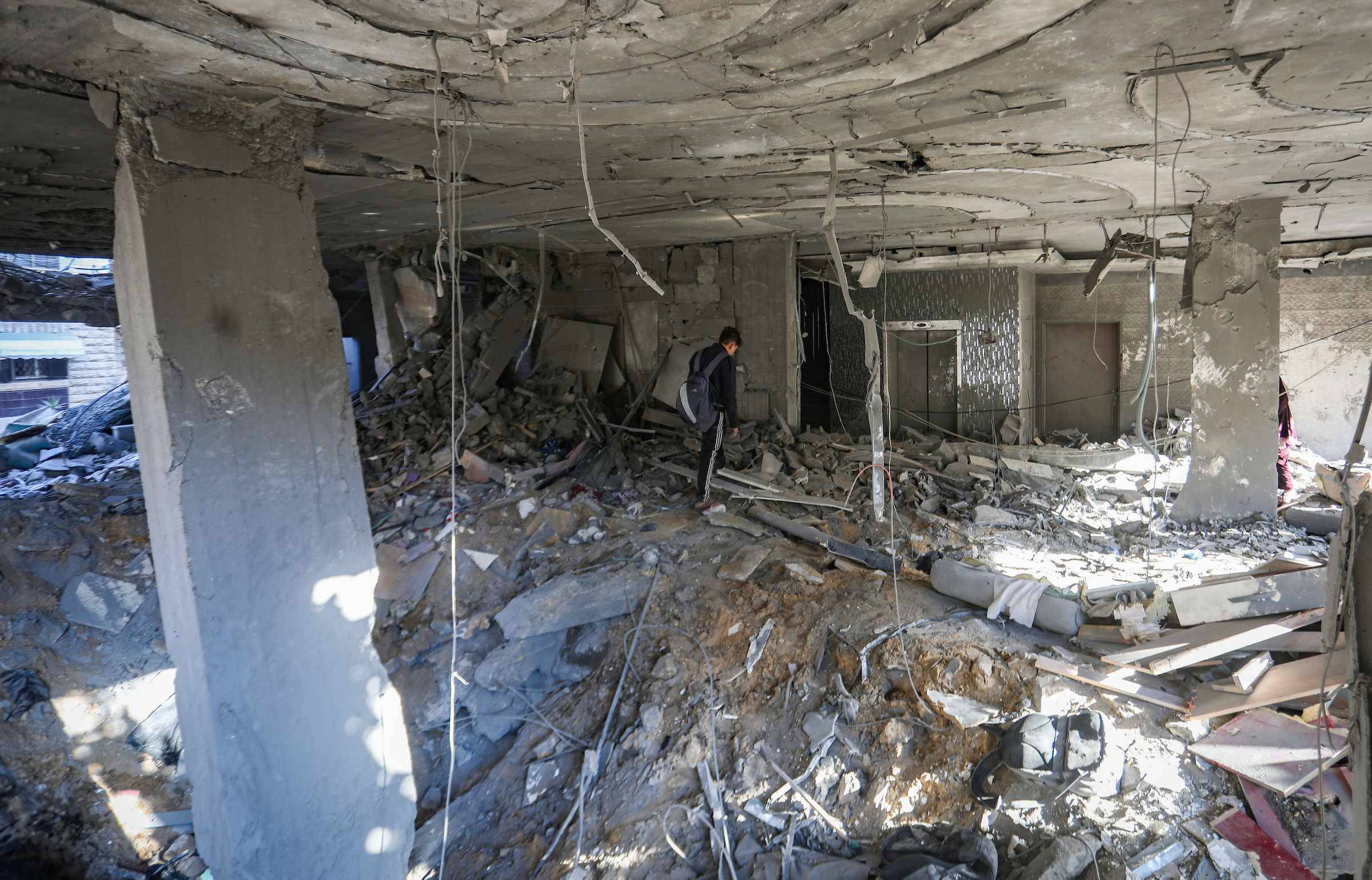
PCHR stresses that, to date, the reconstruction process has not begun on the ground in the Gaza Strip, leaving Palestinians unable to restore their homes, infrastructure, and other essential life conditions. The Israeli occupation authorities continue to impose severe restrictions on the entry of materials necessary for reconstruction, including construction materials. As a result, meaningful efforts to address the consequences of widespread destruction cannot even begin, despite the devastation inflicted on homes, civilian facilities, and vital infrastructure. These ongoing restrictions reflect the absence of any serious commitment to ensuring the right of the Gaza Strip’s population to recover, rebuild, and restore their lives. This is particularly grave given the unprecedented scale of destruction, which has affected more than 80% of the buildings across the Gaza Strip.
PCHR reiterates that Israel has failed to comply with the provisional measures issued by the International Court of Justice (ICJ) in the case concerning the application of the Convention on the Prevention and Punishment of the Crime of Genocide, particularly its obligation to take all measures within its power to prevent the commission of acts prohibited under the Convention and to ensure the provision of urgently needed and essential humanitarian assistance to the civilian population in the Gaza Strip.
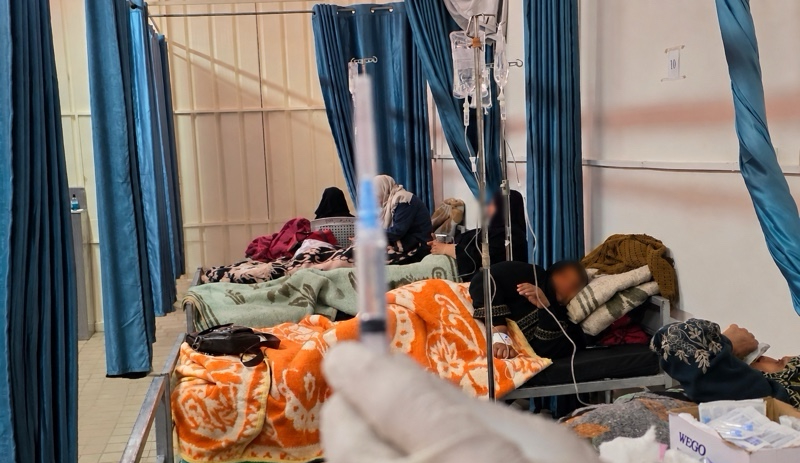
Despite these binding orders, the facts on the ground demonstrate that no effective measures have been taken to bring an end to the conditions threatening the lives and safety of the civilian population. These include restrictions on the entry of food, water, medical care, medicines, and medical supplies, as well as the obstruction of the educational process and the destruction of, and widespread damage to, educational institutions. This raises serious concerns about the continued failure to comply in practice with the obligations set out by the Court, as well as the international legal responsibility arising therefrom.
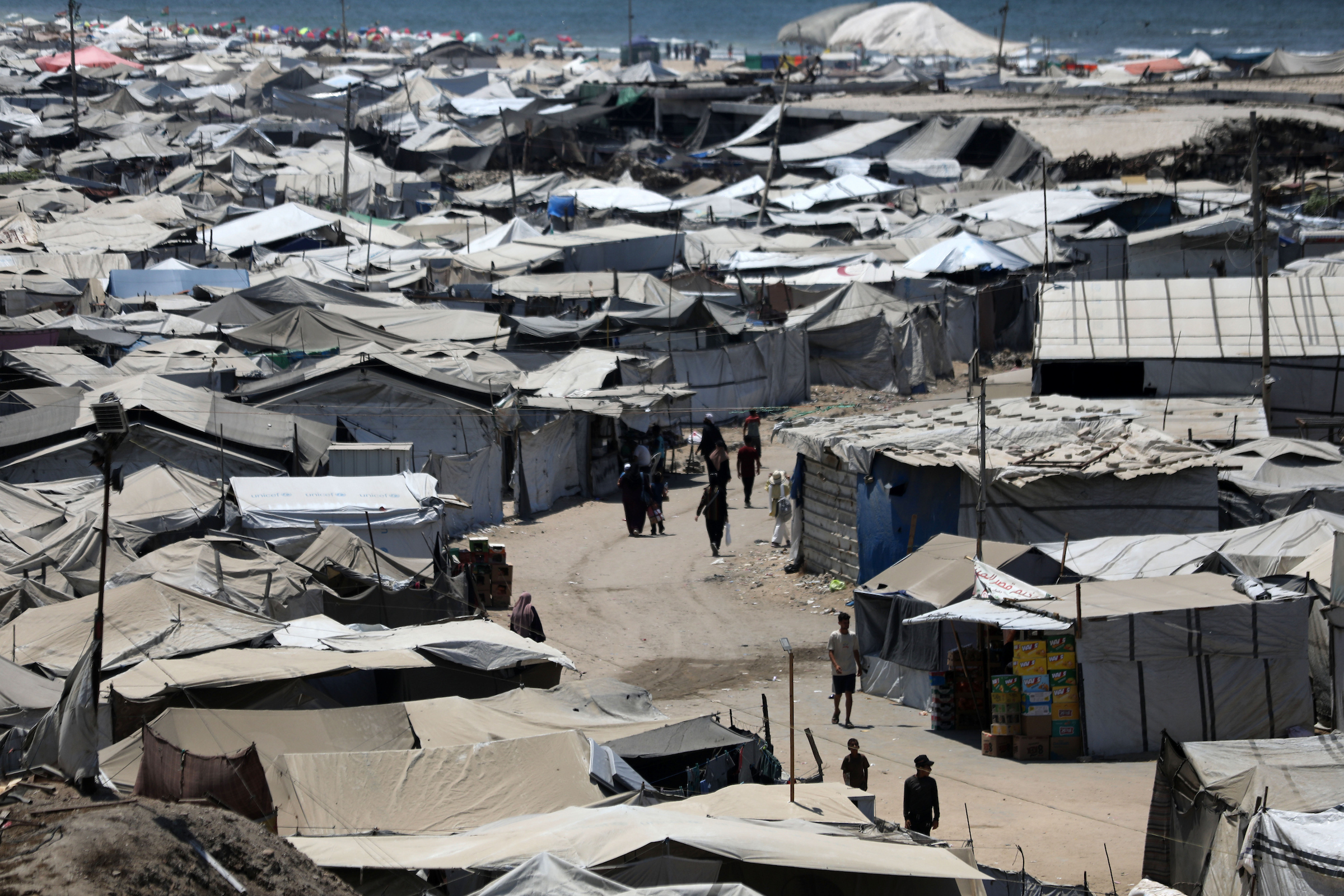
PCHR emphasizes that confining more than 2.2 million Palestinians to approximately 30% of the Gaza Strip’s territory, amid ongoing killings, destruction, forced displacement, and deprivation of food, water, and basic services, constitutes a serious indication of a continuing policy aimed at concentrating the civilian population within severely restricted geographical areas under conditions that fail to ensure the basic necessities for life and safety.
PCHR considers, in light of the overall context, that these facts provide further evidence that the risk of the forcible displacement of the Palestinian population is directly linked to policies and measures aimed at depopulating extensive areas of their Palestinian residents, destroying their homes and livelihoods, depriving them of essential services, and repeatedly forcing them into displacement.
PCHR underscores that the ongoing measures aimed at preventing United Nations Relief and Works Agency for Palestine Refugees in the Near East (UNRWA) from carrying out its mandate and obstructing the entry of materials and humanitarian supplies necessary for it to resume and provide essential services constitute a serious violation of the right to access humanitarian assistance and directly undermine the humanitarian response system in the Gaza Strip.
These measures take on an even greater gravity given the vital role UNRWA plays in providing education, healthcare, relief, and social services, and the extent to which the majority of the Gaza Strip’s population relies on the assistance and services it provides. Moreover, targeting UNRWA’s ability to carry out its mandate or depriving it of the means necessary to fulfil its duties cannot be viewed as an isolated administrative measure. Its effects must instead be assessed within the broader context of the restrictions imposed on the entry of humanitarian assistance and the continued deprivation of the population of the basic necessities for life.
Thus, these ongoing policies, coupled with restrictions on humanitarian assistance and the prevention of the entry of materials necessary for reconstruction, are incompatible with any genuine transition towards recovery and the restoration of normal life. Rather, they reflect the continued imposition of deliberately created conditions of life that threaten the survival of the civilian population and undermine their rights to life, dignity, and safety.
PCHR emphasizes that any efforts to remove Palestinians from the Gaza Strip, whether through direct force or through voluntary mechanisms or ad hoc humanitarian arrangements, amount to the crime of forcible transfer of population, as criminalized under the Rome Statute. Accordingly, PCHR calls on the international community to treat these statements with the utmost seriousness, as an early warning and a clear expression of intent to carry out an unprecedented campaign of ethnic cleansing and forced displacement. The international community must hold those responsible accountable, rather than merely issuing condemnations.
PCHR urges the international community to exert pressure on Israel to immediately halt all measures contributing to the ongoing forced displacement of Palestinians, lift the restrictions imposed on the entry of tents, caravans, shelter materials, and the construction materials and equipment necessary for the removal of rubble and the rehabilitation of homes and infrastructure. It further calls for ensuring the population’s ability to return safely, voluntarily, and with dignity to their areas of origin and homes. PCHR also calls for the urgent provision of the protection, safety, conditions, and supplies necessary for reconstruction, and for enabling Palestinians to recover economically in a manner that allows them to restore their homes, infrastructure, and basic services. These measures must put an end to the ongoing displacement and the population’s forced reliance on temporary shelters, while supporting the restoration of educational and healthcare services. This is essential to enable Palestinians to live in stability and dignity in their homeland and to rebuild their lives.