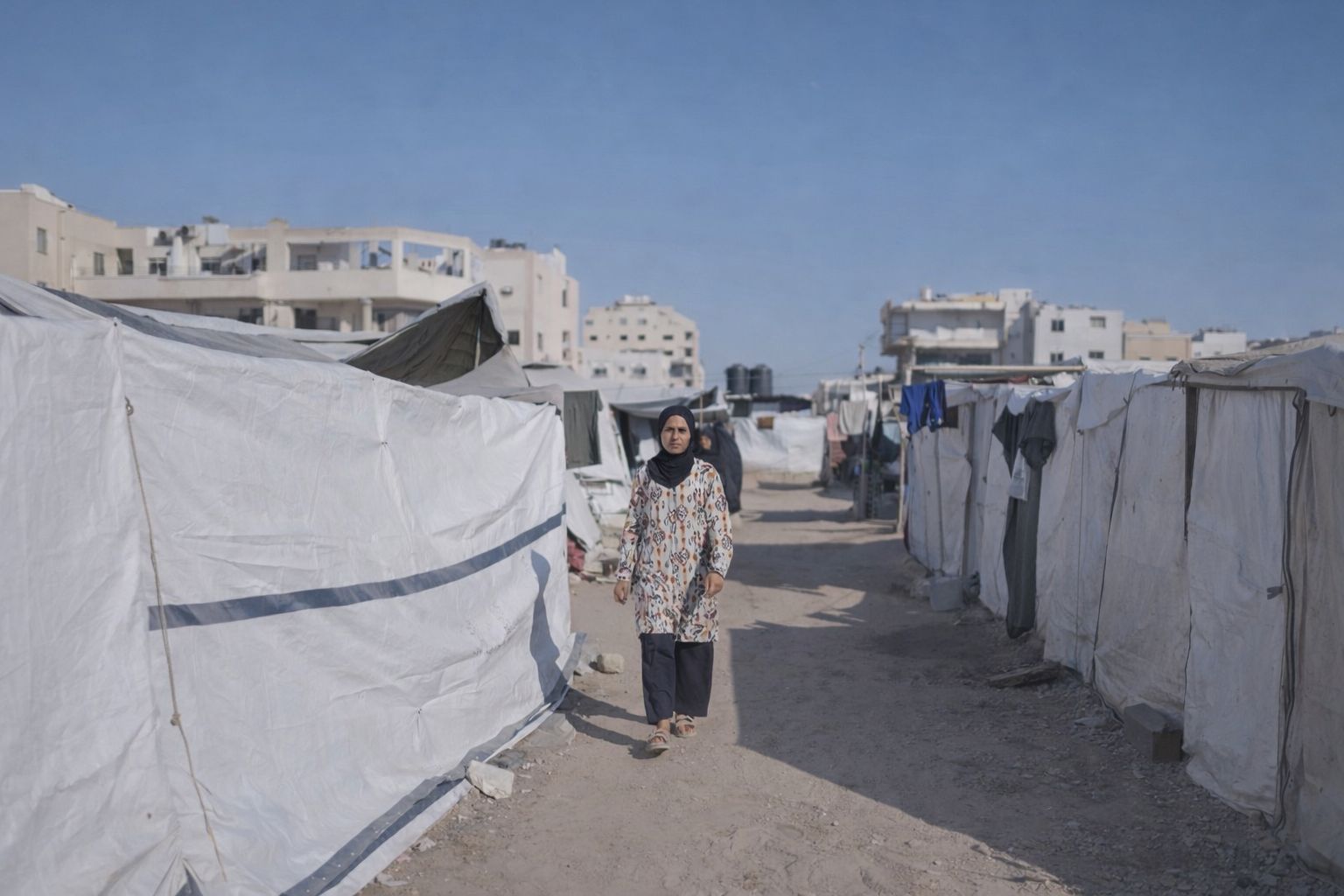
Jouri Zaher Sbeih (16), from Jabalia, northern Gaza
PCHR Staff Received This Testimony on 28 December 2024
I lived in our house in northern Beit Lahia, where 12 people, including my parents and siblings, were staying. We had recently moved there struggling with the hardship of moving repeatedly between rented houses.
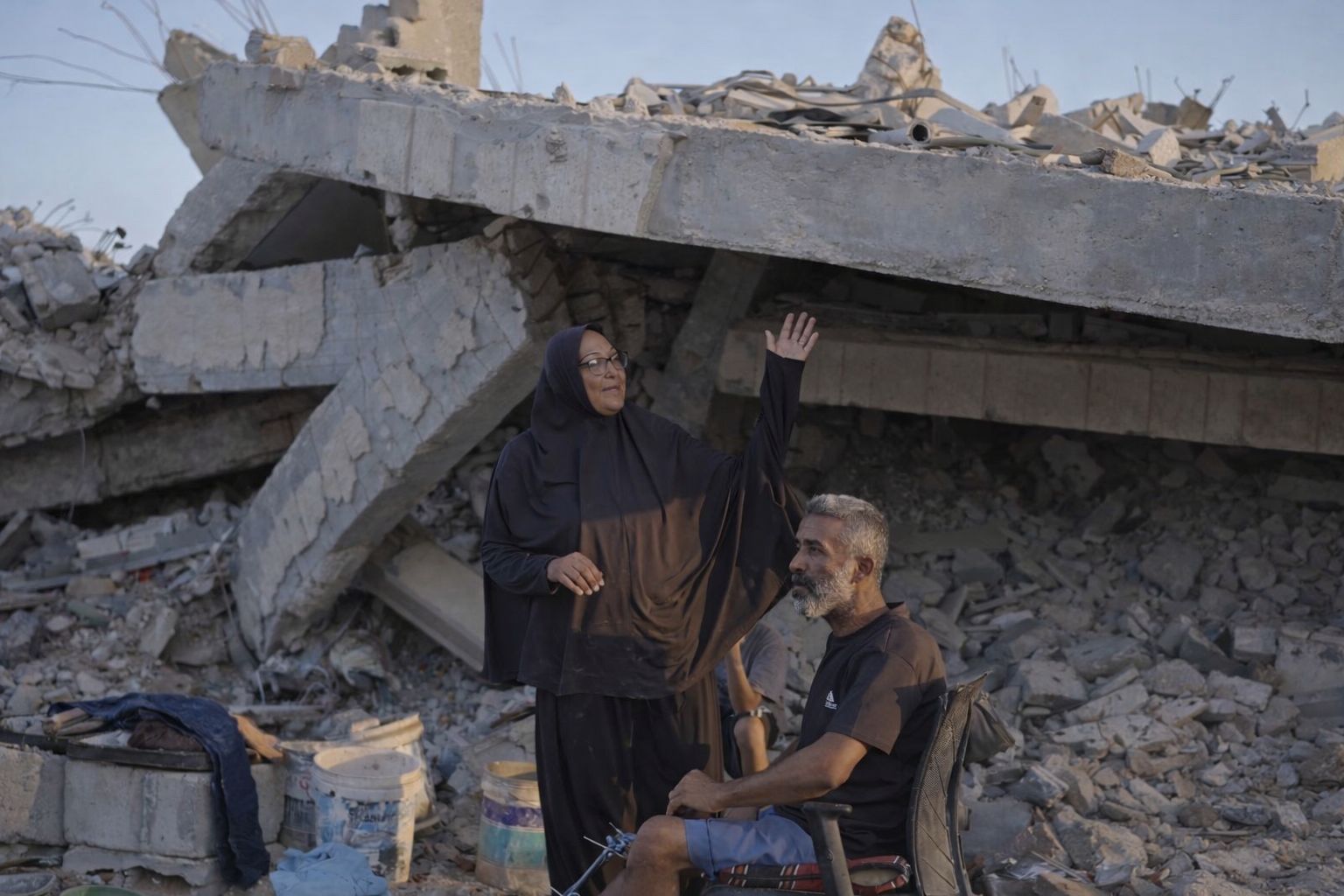
When the war broke out on 7 October 2023, we decided to leave our home because it was very close to the border area. We headed to our grandfather’s house in the Tal al-Hawa neighborhood of Gaza City. As we later learned, the area where our home was located came under heavy bombardment by Israeli warplanes, and our home was completely destroyed.
On 13 October 2023, at around 2:00, we received calls from the Israeli army, including a recorded voice message, urging us to evacuate Gaza City and its northern areas and head south of Wadi Gaza. From that moment, our daily struggle began or to be more precise, our hourly struggle. We were displaced and fled to the main UNRWA center in Khan Younis (al-Sina’ah). We could not access even the bare minimum necessities there, including shelter, food, water, and clothing. I remember waiting with my sisters for nightfall so that we could use the public bathroom, which lacked both water and privacy.
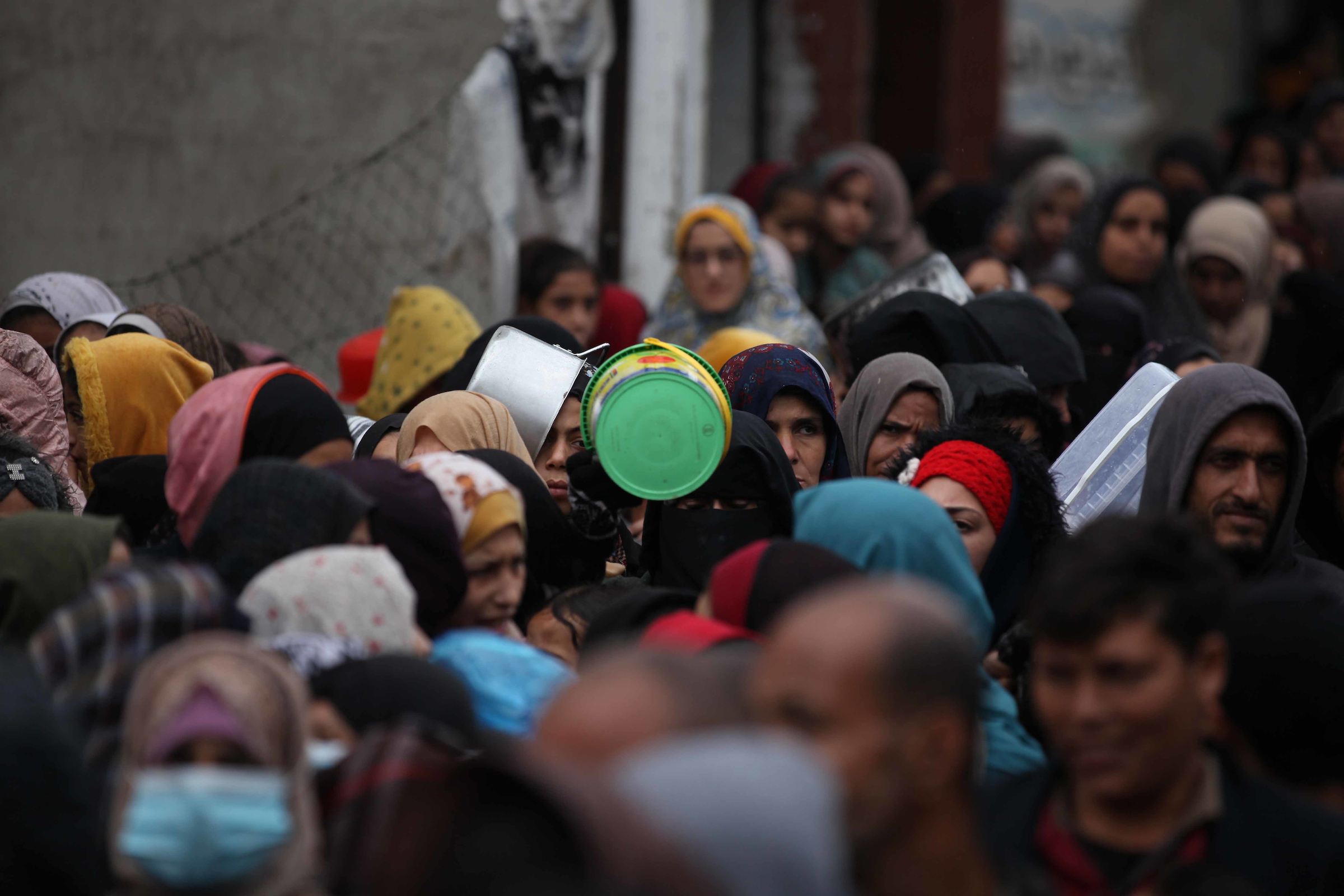
After enduring this unbearable suffering, we decided to go to Rafah, where we stayed in a multi-storey asbestos house with a high rent. I would wait for hours in the bakery line just to get some bread. Indeed, I had become accustomed to the fatigue and exhaustion of this primitive life and the immense suffering that stayed with us day after day throughout this devastating war.
The greatest tragedy of all came on 4 December 2023, when we received the devastating news that my aunt, her children, and 40 members of the Safi family had been killed in an Israeli bombardment in central Gaza, particularly in Deir al-Balah. Two of my nieces survived after being rescued from beneath the rubble of the targeted site, and they now live with us in the house where we are staying in Rafah. To this day, they continue to live with the trauma of what happened to them. They remain in a state of severe psychological shock over the loss of all their family members, crying hysterically and uncontrollably.
Here, we suffer greatly from polluted water and scarce unhealthy food. Currently, we have nothing to eat because we have no source of income. My father had private business, which he lost from the very first day of the war. We do not have clean water to bathe with
We hope that the international community will act and that international humanitarian law the Geneva Convention, relative to the Protection of Civilian Persons will be enforced. We also hope that this death machine, which continues to perpetrate genocide, forced displacement, and the killing of children and women, will come to an end.