The Palestinian Centre for Human Rights (PCHR) condemns in the strongest terms the unprecedented escalation of Israeli settler crimes and attacks, carried out with the participation of IOF, against Palestinian civilians and property in the West Bank, amid the accelerated establishment of settlement outposts, seizure of Palestinian land, and imposition of facts on the ground. These actions form part of a broader project in which settlers serve as an advanced arm of the occupation in the systematic and ongoing campaign of ethnic cleansing aimed at eradicating the Palestinian presence in the West Bank, including occupied Jerusalem.
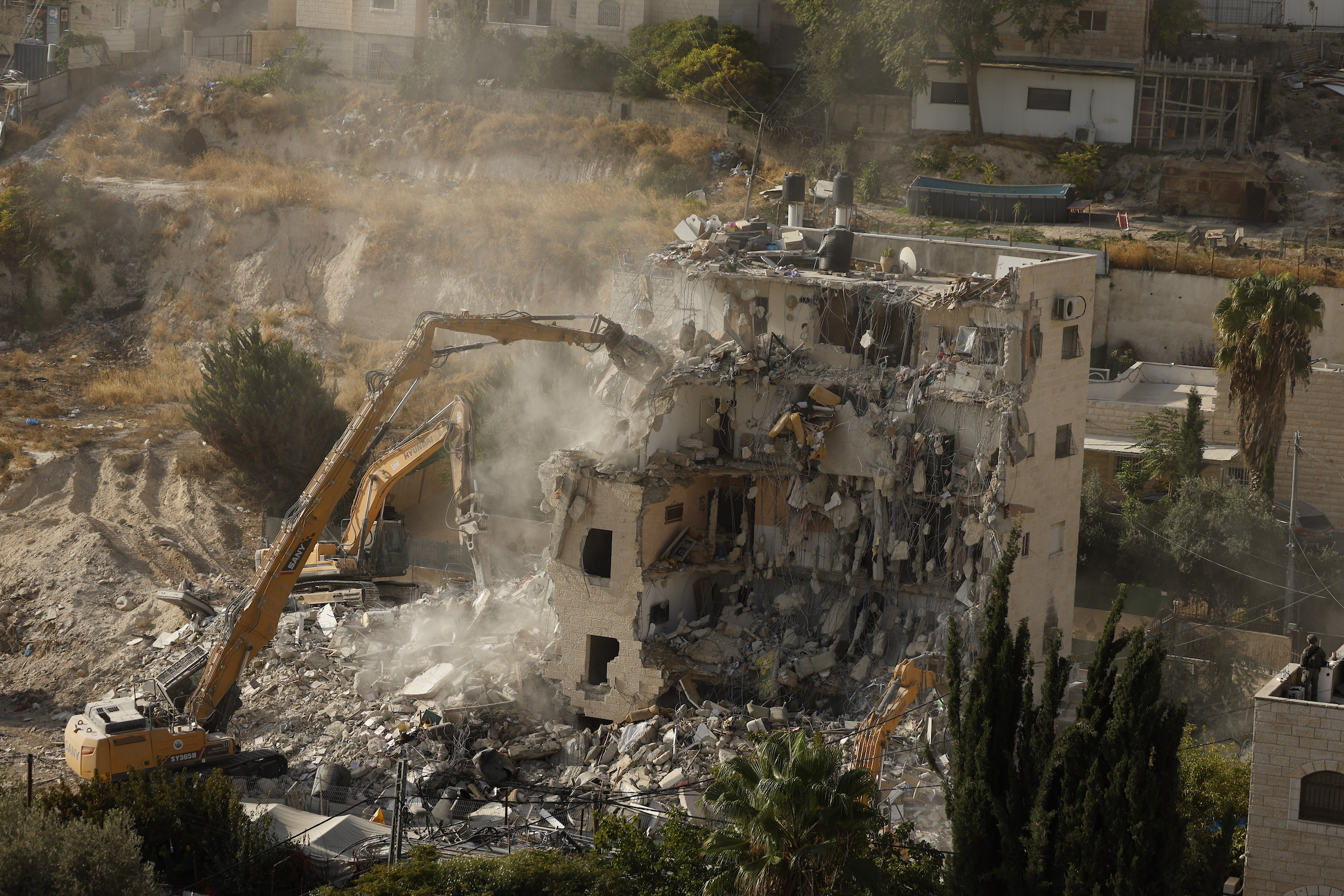
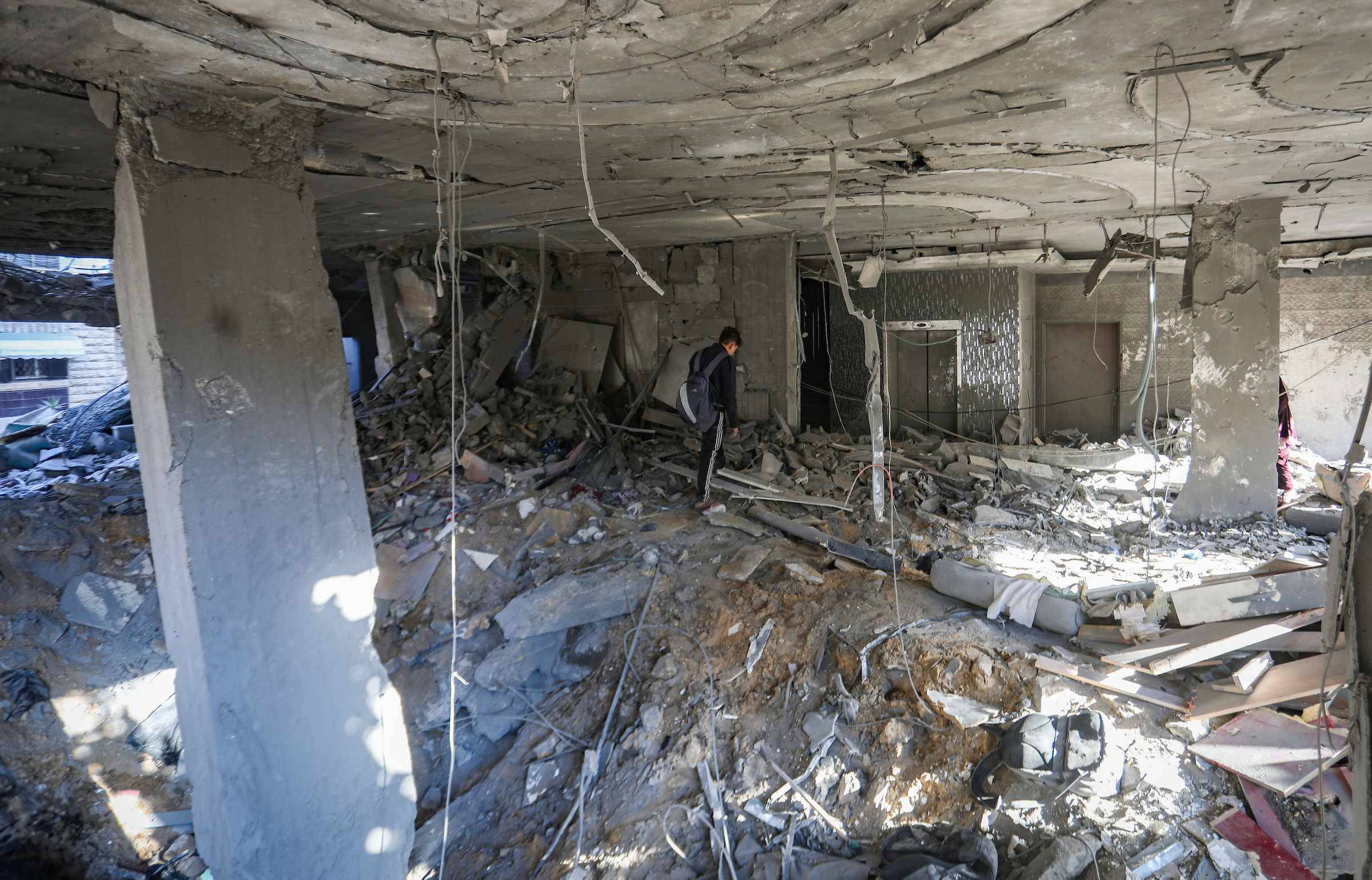
The reality on the ground and available evidence reveal what is going on constitutes a comprehensive pattern in which settler attacks are intertwined with the Israeli authorities’ military and administrative measures, including widespread demolitions of homes and civilian objects, killings and arrests, and the imposition of severe movement restrictions. These measures isolate Palestinian communities and deprive their residents of access to their lands, water resources, and means of livelihood, thereby creating conditions that force Palestinians to leave their homes and lands.
The Palestinian Centre for Human Rights (PCHR) has documented a heightened escalation in Israeli crimes and settler attacks over the past several days. Most recently, settler militias have besieged three houses in Qasra village, southeast of Nablus, for the ninth consecutive day, in an apparent attempt to force their residents to leave and seize their homes. According to information collected by PCHR’s field researchers, at approximately 07:00 on Saturday, 8 August 2026, a group of settler militias surrounded three houses in al-‘Ein area, west of the village, where 10 Palestinians reside, including three women and two children. The settlers blocked the road leading to the three houses after erecting a tent on it, cut off electricity and water supplies, and prevented villagers from accessing the houses. The besieged houses include the home of Yousif ‘Abdel Salam Hasan, who lives there with his wife and two daughters; the home of his brother, Rezeq ‘Abdel Salam Hasan, who lives with his mother and sister; and the home of Loay ‘Abdel Men’em Abu Reidah, who currently lives in U.S. and holds a U.S. passport, but whose brother Qosay, son, and nephew live in the house, in addition to international solidarity activists holding Italian citizenship.
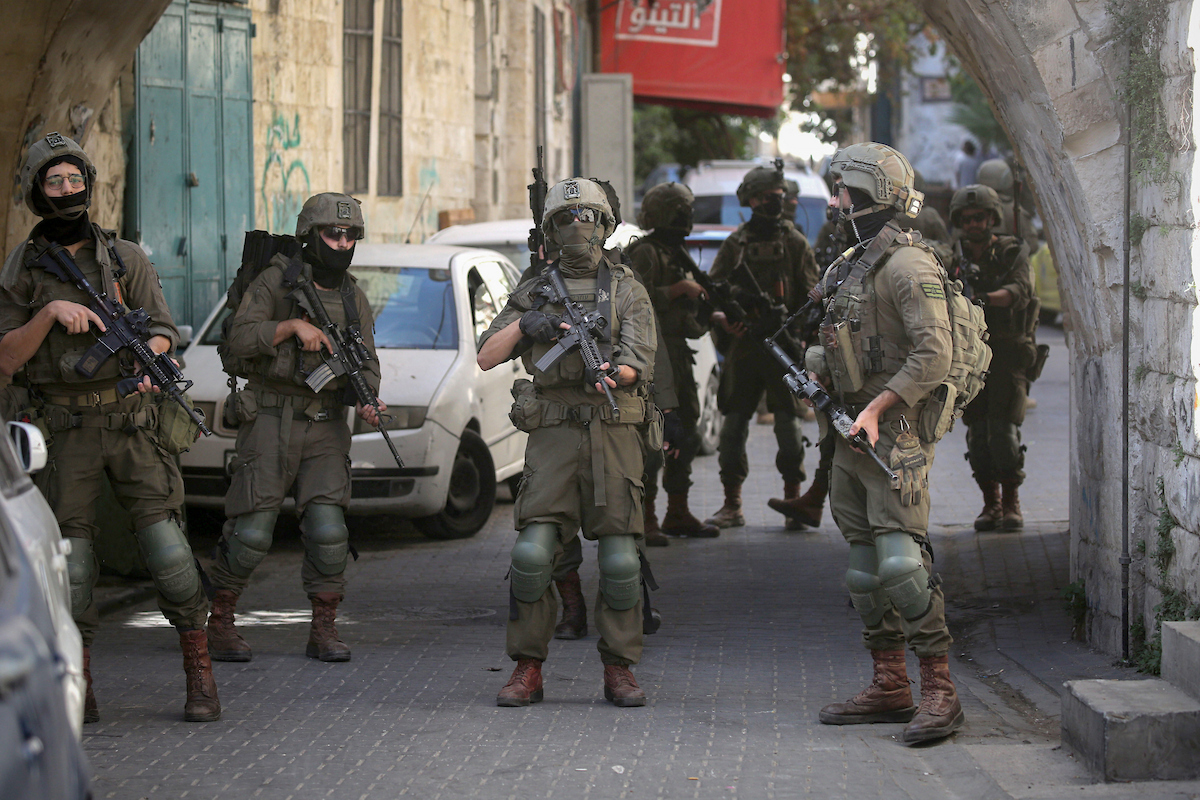
On 13 August 2026, a large IOF force moved into the village at approximately 07:30, closed shops, took control of large parts of the village, and turned 15 houses into military barracks, including five houses in the vicinity of the besieged homes. IOF forced the residents of these houses to leave and relocate within the village. The force brought in a bulldozer to remove the stones and tent erected by the settlers, and prevented villagers’ movement, before withdrawing from several houses later that evening. Meanwhile, settlers continued to besiege the three houses.
The mayor of Qasra village, ‘Abdel ‘Azim al-Wadi, told PCHR’s field researcher: “On the morning of 13 August 2026, a large IOF force entered the area, closed the shops in the village, took control of most of its neighborhoods, and turned several houses into military barracks, including five houses in the vicinity of the besieged houses. They forced the residents to leave their homes and relocate within the village, instead of removing the settlers from the vicinity of the besieged houses, and turned the homes into military positions. They also prevented residents from leaving their homes without evacuating the settlers. At approximately 07:00 on Friday morning, IOF entered the same area, declared it a military zone, and converted 15 homes into military barracks. They also forced the international solidarity activists out of the besieged house.”
The residents of the three houses fear that these measures could pave the way for their forced evacuation and the seizure of their homes by settlers, as previously occurred with the al-Tubasi family in the nearby village of Jalud. In that incident, settlers besieged two homes for the family, seized them and permanently resided there, eventually forcing the family to leave after months of steadfastly remaining there.
This major attack comes as part of a broader wave of escalation in settler violence across the West Bank, whether through assaults against Palestinians or the establishment of new settlement outposts.
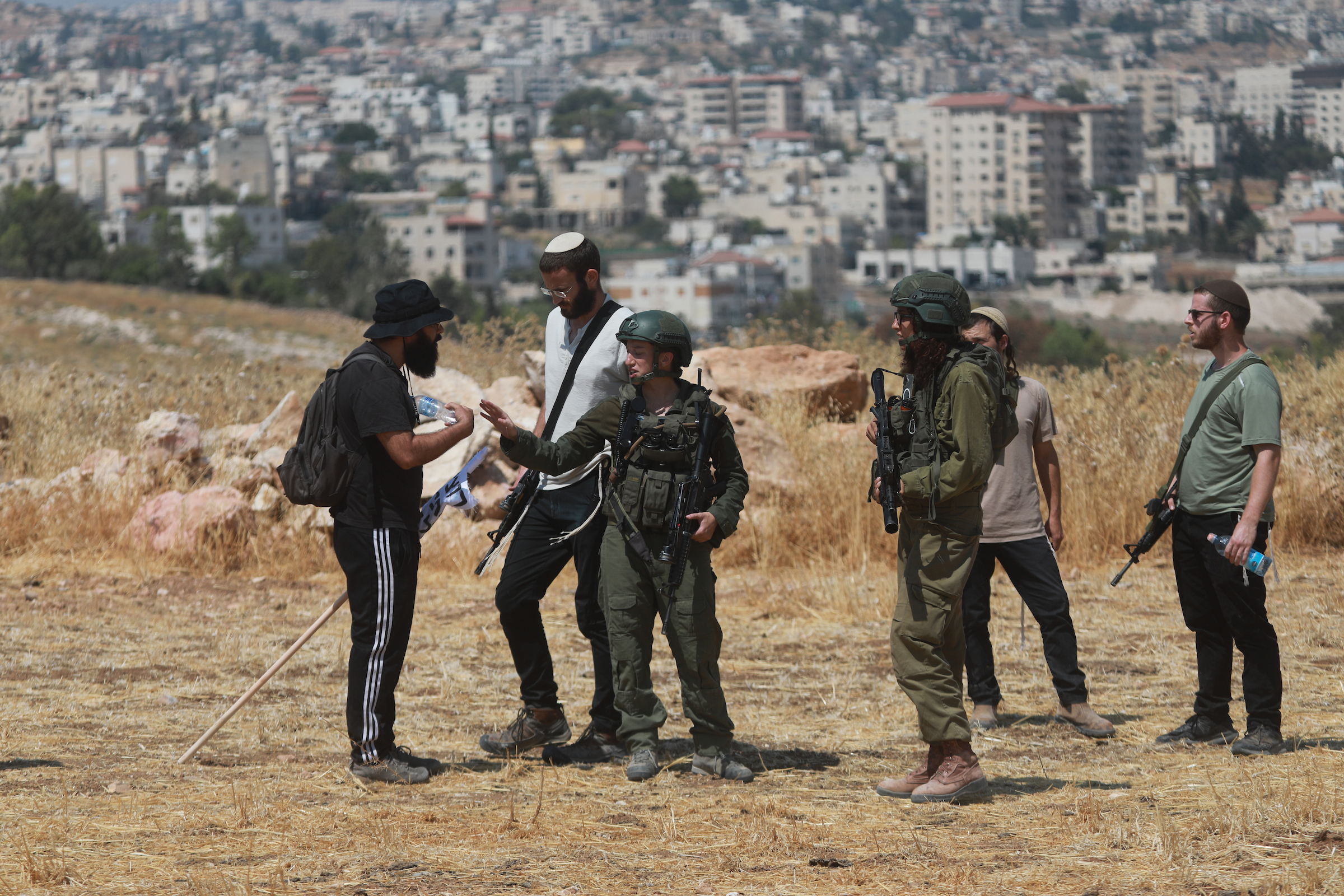
On Saturday afternoon, 8 August 2026, settlers established a new settlement outpost in the al-Jalatiyah area, east of Ethna village in Hebron, by erecting a tent on Palestinian-owned land and bringing a flock of sheep to the land. When the landowners arrived and attempted to drive the flock of sheep and the settlers away, the settlers, together with IOF, attacked them after IOF arrived at the scene. In his testimony to PCHR’s field researcher, 26-year-old Hussein ‘Adel Hussein Sourah described IOF’s participation with settlers in carrying out the attacks and their role in perpetuating settler violence. He said:“I was at home when I learned that settlers had erected a tent on my land and released their sheep to graze on my crops and trees. I rushed to my land with four of my brothers. When we arrived, we saw four armed settlers carrying pepper-spray canisters, accompanied by around 20 sheep, and a tent erected on the land. We asked them to leave, but they responded by throwing stones at us. We drove the sheep away from the crops and trees and managed to push the settlers and their flock away approximately 400 meters. Afterwards, two IOF vehicles and two vehicles carrying armed settlers arrived. They chased us as far as al-Nabi Saleh Mosque, approximately two kilometers from our land. I hid inside the mosque with my brother, Mos’ab, while my other brothers managed to flee. My father, ‘Adel, 64, was also inside the mosque. Dozens of settlers and soldiers raided the mosque, including a settler named Yuda, whom we know from previous attacks on farmers, during which he chased them and expelled them from their lands in the al-Jalatiyah area. As soon as Yuda saw my father, he attacked and beat him, while another settler grabbed me by my clothes. I tried to defend my father and pull Yuda away from him, but around 10 soldiers and settlers attacked my father, my brother Mos’ab, and me, and dragged us into the mosque courtyard. I managed to flee into the street, but three settlers chased and caught me. Three soldiers then joined in, punching me in the face and beating me, while Yuda struck me hard on the back. When I asked one of the soldiers to pull him away from me, the soldier punched me repeatedly in the face, causing severe pain in my right eye. The soldiers took us back to the mosque courtyard, where my father, my brother Mos’ab, and I were detained. They tied our hands behind our backs and blindfolded us. One of them used a mop from the mosque entrance to blindfold me. We were beaten with rifles, slapped, and kicked. About half an hour later, we were taken into a GMC vehicle. I heard Yuda telling the soldiers to beat us. After we got into the vehicle, we were beaten and punched, while I could hear my father and brother being assaulted. The soldiers took us to the Tarqumiyah camp and held us in a small, extremely hot caravan. We remained there until around 03:00, when one of the soldiers took me out and ordered me to admit to throwing stones at the settlers. I refused, so he beat me, kicked me, and punched me. For about five minutes, he repeatedly struck me with his rifle. He then took me back to the caravan, where my brother and I remained handcuffed and blindfolded until around 15:00 the following day. The soldiers subsequently took us to the Kiryat Arba’ police station, east of Hebron, where we were held in the yard in extremely hot weather until around 18:00. I was interrogated for about an hour or allegedly throwing stones. After the interrogation, the police officer told me that we would be transferred to Shigav Prison in Beit ‘Awwa. However, the interrogator later decided to release us and informed us that we would be required to appear before Ofer Military Court later. The soldiers then confiscated our phones, took us to the al-Fahs area in Yatta, and kept us handcuffed and blindfolded, ordering us not to move until they had left the area. Afterwards, someone came, untied us, and took us home. I continue to suffer from pain in my right eye and pains throughout my body due to the assault. I am afraid to appear before Ofer Military Court for fear of being arrested and detained again, while the settlers remain on our land.”
On 6 August 2026, settlers launched a violent attack on Nayef Ka’abnah family at their home east of al-Tibah, Ramallah. The attack injured three family members to varying degrees, while IOF arrested another family member, Soliman Ka’abnah. The following day, settlers again attacked the al-Ka’abnah Bedouin Community, east of al-Tibah and raided Nayef Ka’abnah’s home, accompanied by a flock of sheep. During the attack, settlers assaulted international solidarity activists, one of whom sustained bruising to her face and head after being severely beaten. The settlers also repeatedly attempted to dismantle the metal fence established by residents around their community, apparently seeking to provoke direct confrontations and clashes.
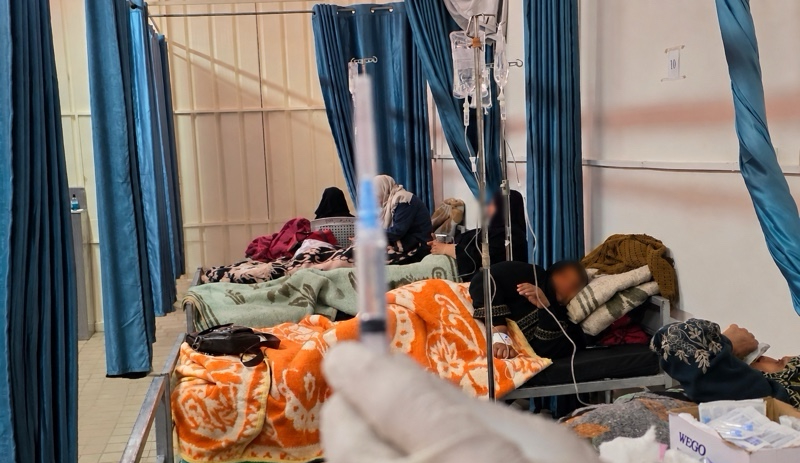
A group of around 30 settlers attacked three houses in the al-Tuba area, south of Hebron, on Wednesday, 5 August 2026, setting fire to homes and property, including solar panels and animal feed, and injuring five Palestinians. The testimony of 38-year-old Rana Ibrahim Salman Meghnem revealed how she and her two young daughters were beaten by settlers inside their home, unfolding the grave danger faced by Palestinian civilians within their own homes. In her testimony to PCHR’s field researcher, she said: “I saw around 30 settlers wearing black clothes through the window, running towards our house. I sent my daughter Razan (8) to tell her father, who was outside the house. As she was on her way back, the settlers reached the house, and one of them hit Razan in the face with a stone. She fled away and sat beside me with her sister Lojayn (6). One of the settlers raided the house while another was throwing stones through the window. One of them hit me on the head with a stick and then hit Razan on the head. We screamed in fear and pain. We managed to flee to an adjacent room, but the settler followed us inside and continued beating me with the stick. When I tried to protect my head with my hands, my right-hand fingers were injured and fractured. I also sustained an injury to my shoulder and bruises to the upper part of my body. The assault lasted for about two minutes before I managed to close the door. Moments later, the electricity was cut off. Through the window, I saw flames rising from bales of animal feed belonging to our neighbors. I then saw fire and smoke rising from the living room where the settlers had assaulted me. I quickly locked the door and remained terrified until my husband arrived and took us out of the house. I was then taken to the hospital for medical treatment.”
On 1 August 2026, settlers attacked ‘Issam Mahmoud Redwan and his wife, Naheel Yousif, while they were carrying out routine agricultural work on their farm in the ‘Ein al-Zarqa area in Bitello village, Ramallah. According to information collected by PCHR’s field researchers, the settlers assaulted the couple with batons and brought a dog with them, which they unleashed on the couple to attack them. ‘Issam sustained a leg fracture, in addition to injuries and bruises throughout his body, while his wife, Naheel, sustained a fracture to her hand, as well as similar injuries and bruises to her body.
These attacks are not isolated from the settlement activity that is simultaneously expanding on the ground. According to field follow-up by PCHR’s field researchers, since last July, the Israeli authorities have carried out land-razing operations in al-Boq’ah and Beit ‘Aynoun areas in Hebron, destroying more than 200 dunums of agricultural land and uprooting tens of thousands of grapevines and summer crops in an area considered one of the governorate’s most important agricultural production zones. These land-razing operations have coincided with the expansion of Kiryat Arba’ settlement and settlement outposts established on Palestinian-owned land in eastern Hebron. By this, settlement roads are increasingly being transformed from infrastructure projects into tools for seizing land and connecting and expanding settlements, while Palestinian presence in the surrounding areas face mounting pressure through demolition orders, the designation of security zones, and restrictions on construction and access to their lands.
In light of the above, PCHR calls on the international community to take immediate and effective measures to halt crimes committed by IOF and settlers in the occupied Palestinian territory (oPt) and to put an end to the apartheid and settler-colonial regime imposed by Israel on the Palestinian people.
PCHR recalls the advisory opinion issued by the International Court of Justice (ICJ) in July 2024, which affirmed the illegality of Israel’s continued presence in oPt since 1967 and required Israel to end its unlawful presence, including by dismantling the settlements and evacuating the settlers.
PCHR calls for immediate international protection for the Palestinian population, particularly communities exposed to settler attacks and those at risk of forced displacement in Masafer Yatta, the Jordan Valley, Nablus, Ramallah, and Hebron. PCHR also calls for ensuring unrestricted access for medical and humanitarian personnel to these communities.
PCHR calls for serious international action to ensure that perpetrators of war crimes are held accountable before international justice mechanisms, end the policy of impunity, and provide international protection for Palestinian civilians. It further demands an end to all forms of political, military, and economic support that enable Israel to continue its unlawful policies and grave violations of international law.