In November 2025, the Israeli Occupying Forces (IOF) and Israeli settlers continued their crimes and violations against Palestinians and their properties in the West Bank, including occupied Jerusalem.
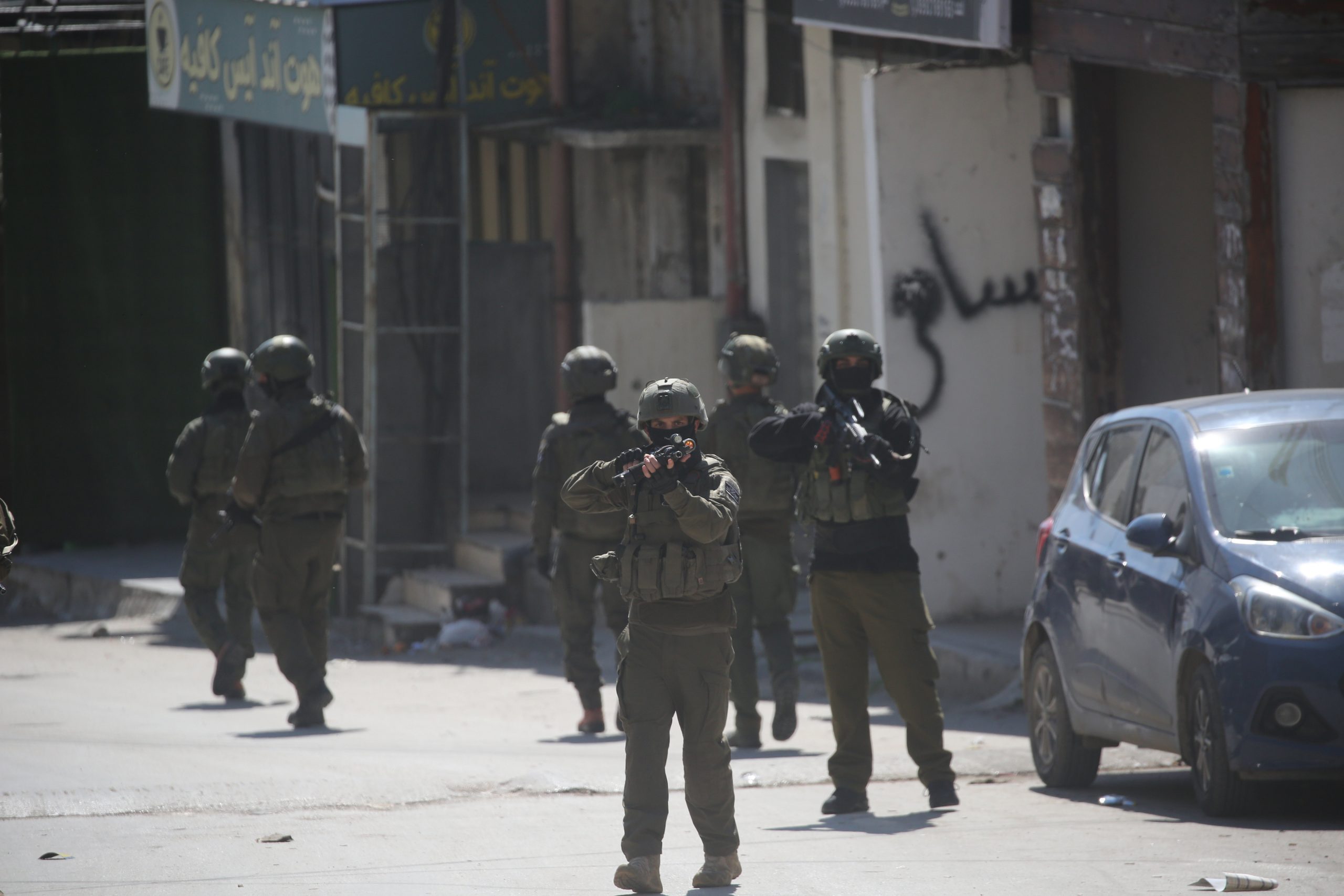
The IOF committed several killings, the most serious of which was the killing of two Palestinians in Jenin after directly opening fire at them although they had surrendered and raised their hands, in a crime constituting an extra-judicial execution.
This month witnessed widespread settler attacks against Palestinian civilians and their property, during which Israeli settlers established six new settlement outposts. Meanwhile, the IOF confiscated 1,955 dunums of land and constructed additional settlement roads.
These escalations are part of a systematic policy of ethnic cleansing targeting the Palestinian existence and are embedded within an integrated colonial system implemented with direct support from the Israeli government and all its institutions—legislative, executive, military, and security. This system seeks to impose a permanent reality of exclusion and domination while entrenching annexation and asserting sovereignty over the West Bank.
The Following is some of violations highlighted and documented by the Palestinian Centre for Human Rights (PCHR):
Killings and violation of the right to life and bodily integrity:
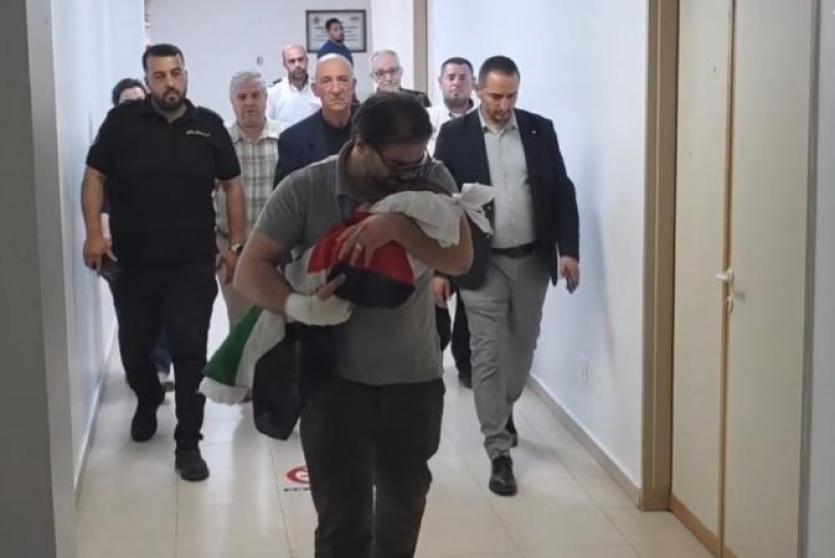
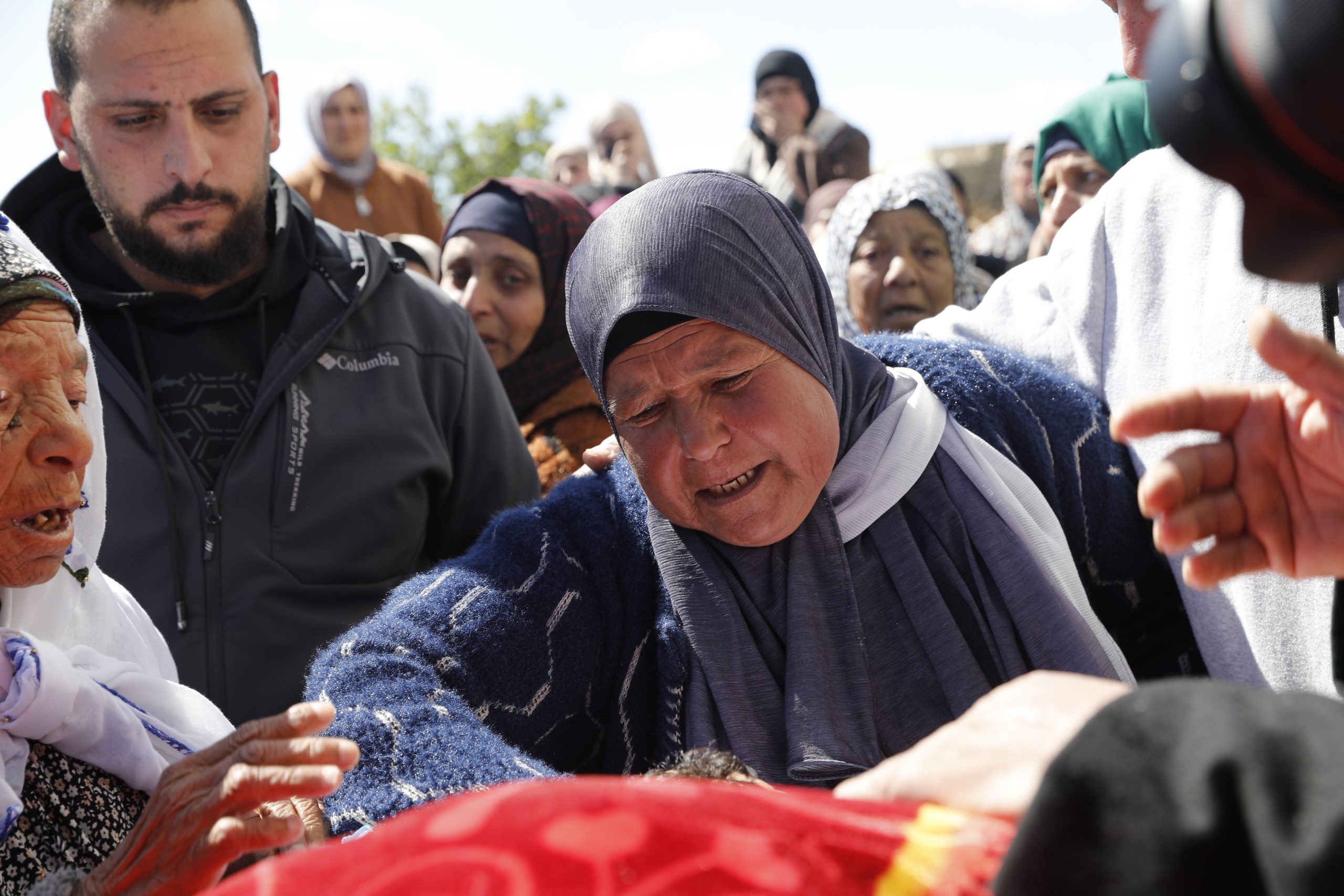
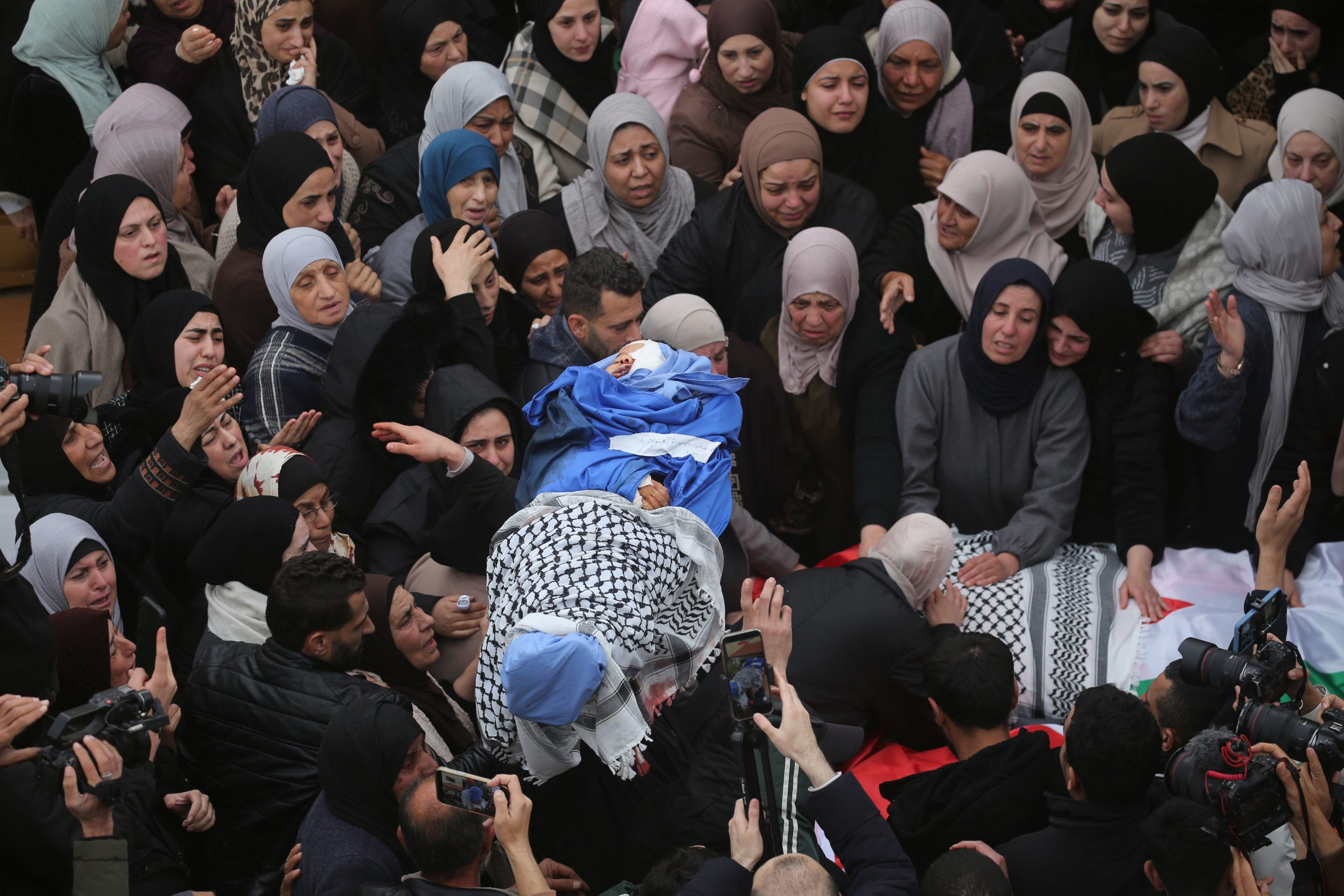
The IOF and settlers’ attacks during the reporting period in the West Bank have resulted in the killing of 21 Palestinians, including12 civilians, among them seven children, and the injury of 40 other civilians, including 14 children. Also, a Palestinian died in Israeli jails. One of the most serious crimes was the killing of two Palestinians by the IOF’s gunfire although they had surrendered, in a new crime of extra-judicial execution.
On 02 November 2025, the General Authority for Civil Affairs informed both the Commission of Detainees and Ex-Detainees Affairs and Palestinian Prisoners’ Club that Palestinian detainee, Mohammed Hussain Mohammed Ghawadra (63), from Jenin, died in Israeli jails. It is worth noting that the IOF had arrested Ghawadra on 06 August 2024, and he had remained in custody since then in “Janout” Prison (formerly Nafha and Ramon). The cause of death has not been identified yet.
On 03 November 2025, Ahmed Rebhi Id’is al-Atrash (36), from Hebron, was killed after being shot in his head with a live bullet fired by an Israeli settler near the northern entrance to Hebron (Ras al-Joura), which is connected with to Bypass Road 60. Ahmed was left lying on the ground for approximately half an hour before being transported by an Israeli military vehicle.
Medical staff at Rafidia Governmental Hospital in Nablus pronounced the death of Jamil ‘Atif Jamil Hanani (19), from Nablus, who succumbed to the injury he sustained after being shot in the abdomen with a live bullet by the IOF during their incursion into the city on 02 November 2025.
On 06 November 2025, the IOF killed Mohammed Rashad Fadel Qasem (16) and Mohammed Abdullah Mohammed Taym (16), from al-Jadeera village, near the annexation wall adjacent to the village, northwest of occupied East Jerusalem. The IOF held their bodies, claiming that they had thrown a Molotov cocktail toward the wall and the settlement road.
On the same day, the IOF killed Murad Fawzi Yusuf Abu Saifin (15) during their incursion into al-Yamoun village, west of Jenin. Murad was shot with a live bullet and left to bleed on the ground for over half an hour before a military vehicle arrived and held his body.
On 08 November 2025, the IOF killed Abdel Rahman Ahmed Abbas Darawsheh (26) after shooting him with a live bullet in the back during their incursion into al-Far’a refugee camp, south of Tubas. Abdel Rahman was transported to the Tubas Turkish Hospital in Tubas.
On 13 November 2025, the IOF stationed in a military watchtower established on the outskirts of the “Karmei Tzur” settlement, established on the lands of Beit Ummar village in Hebron, killed two children: Mohammed Mahmoud Mohammed Abu ‘Ayash (15) and Bilal Baha Ali Ba‘ran (15), while they were in al-Wahadin area south of the village, approximately 100 meters west of the settlement. The IOF held their bodies.
A video posted on social media showed one of the children running along a dirt road within agricultural lands near the settlement before being shot from one of the military watchtowers surrounding the settlement, at a distance of approximately 100 meters from where the children were located.
On 15 November 2025, the IOF killed Hassan Ahmed Jamil Mousa (19) after shooting him with two live bullets in the back and right thigh during their incursion into Old Askar Refugee Camp, east of Nablus. Another person was also injured.
On 16 November 2025, the General Authority for Civil Affairs informed the Palestinian Ministry of Health of the death of Jad Allah Jihad Jum‘a Jad Allah (15), from al-Far’a Refugee Camp, who succumbed to the injuries he sustained earlier that evening from the IOF’s gunfire before being arrested during their incursion into the camp, south of Tubas. Two other people, including a child, were also injured by the IOF’s gunfire and were transported to the Tubas Turkish Hospital for treatment. Medical staff at the hospital described their injuries as stable.
On 18 November 2025, the IOF killed Imran Ibrahim Imran al-Atrash (18) and Walid Mohammed Khalil Sabbarna (18), from Hebron, after shooting them near the “Gush Etzion,” settlement south of Bethlehem. Their bodies were held by the IOF, who claimed that the two young men had carried out a stabbing attack that killed one Israeli and injured others.
On 20 November 2025, the IOF killed Sami Ibrahim Sami Mashaikh (16) in Kafr ‘Aqab village, north of occupied East Jerusalem, while he was on the main street, approximately 50 meters away from the building where an Israeli sniper was positioned. Sami was shot with a live bullet in the chest and transported by the village’s residents in a private vehicle to Palestine Medical Complex in Ramallah. About 20 minutes later, the Israeli snipers reopened fire on other people in the same area, wounding one in the foot, while another, ‘Amr Khaled Ahmed al-Marbou‘ (18), was shot in the chest with a live bullet. ‘Amr was initially taken to the nearby Daa’ al-Shifa Medical Center before being transferred to the Palestine Medical Complex, where Sami Mashayikh and ‘Amr al-Marbou‘ were pronounced dead at around 01:00. (More details available in PCHR’s press release).
On 21 November 2025, the IOF killed Yunis Walid Mohammed Ishtiyeh (24), who worked in the police, after special forces besieged him inside his home. An Israeli sniper opened fire at him while he was inside the house, killing him on the staircase of the third floor. The IOF claimed that he was wanted and held his body.
On 23 November 2025, Baraa Khairy Ma‘ali (21), a university student, was killed after being shot in the chest by one of Israeli soldiers who were securing and supporting a group of settlers who carried out attacks in Deir Jarir village in Ramallah.
On 24 November 2025, an Israeli special force killed Abdel Raouf Khaled Abdel Raouf Shteiha (30), from Tal village, south of Nablus, by firing an anti-tank missile fired at a house where he had taken shelter in eastern Nablus. His body was held by the IOF, who claimed that he was a wanted person.
On 25 November 2025, an Israeli special force killed Sultan Nidal Abdel Aziz (22), from Qalqilya, in a house where he had taken shelter in Marka village, south of Jenin. The IOF claimed that he was wanted and held his body.
On 26 November 2025, the IOF killed Osama Yasser Mohammed Kmeil (20) after shooting him with live bullets in the abdomen during their incursion into Tal village, south of Nablus.
On 27 November 2025, in a new crime of willful killing and extrajudicial execution, the IOF killed al-Montaser Bellah Mahmoud ‘Abdullah (26), from Jenin refugee camp, and Yoused ‘Asas’sah (37) after directly opening fire at them although they had surrendered and raised their hands after besieging them in a house where they had taken shelter in Jenin, north of the West Bank. (More details available in PCHR’s press release).
Thus, the number of Palestinians killed in the West Bank since 7 October 2023 has risen to 1,050, including 218 children and 33 women, while 33 were killed in Israeli prisons. Of those, 224 were killed in 2025, including 115 civilians, among them 41 children and 5 women. Furthermore, 13 Palestinian detainees, including a child, have died in Israeli jails. Additionally, dozens were injured by the IOF’s gunfire across the West Bank.
Demolition and land-razing
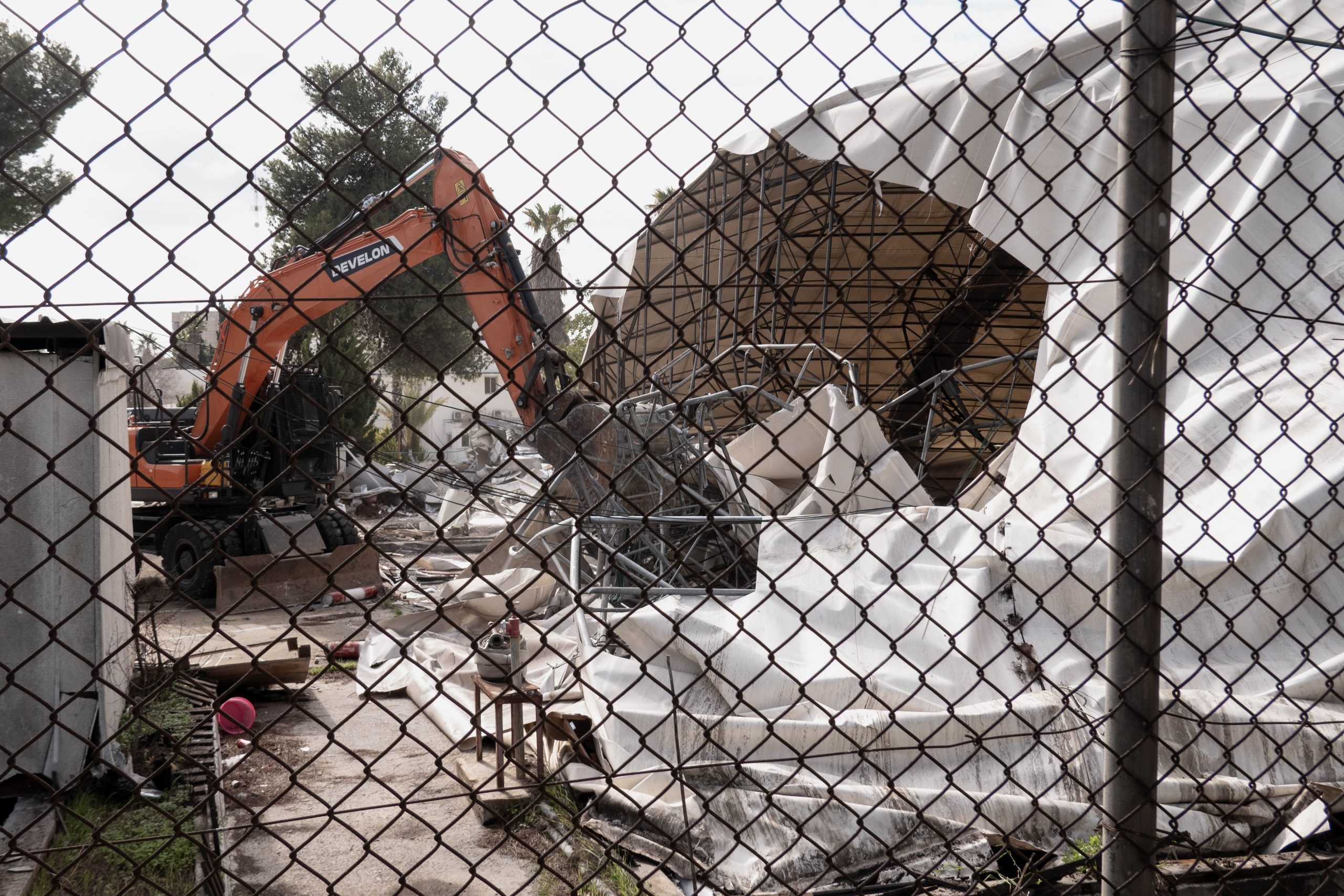
The IOF demolished 34 facilities in the West Bank, including occupied East Jerusalem: 33 houses were completely demolished, among them six were demolished under the pretext of unlicensed construction, and a commercial facility across the West Bank.
During their ground assaults in cities and refugee camps across the West Bank, the IOF caused widespread destruction to infrastructure, including roads, water networks, telephone lines, and electricity, in Tubas City, ‘Aqqaba, Tamoun, and Tayasir villages, and al-Far’a Refugee Camp.
The IOF also blew up a house in al-Far’a Refugee Camp, south of Tubas, during a military operation carried out in Tubas City, its ‘Aqqaba and Tamoun villages, Tayasir village, and al-Far’a Refugee Camp, south of the city.
From 03 to 13 November 2025, IOF demolished five houses comprising six residential units in Bruqin village in Salfit, and in Duma village in Nablus, as well as in Hebron and Bethlehem. As a result, three families of 21 individuals, including 14 children and three women, were displaced.
On 25 November 2025, the IOF demolished a 500-sqm under-construction house of three floors in al-Khader village, south of Bethlehem. It is worth noting that the demolished house was intended to accommodate several families.
On 28 November 2025, the IOF destroyed a residential house during the ground operation in al-Far’a Refugee Camp, south of Tubas. On the same day, they also demolished 26 houses in Jenin Refugee Camp, west of Jenin city, during the ongoing ground assault that has continued for ten months.
Land confiscations and settlement expansion
During the reporting period, the IOF and Israeli settlers continued their settlement expansion policy materialized in confiscating and razing Palestinian lands to establish settlement outposts and expand settlements. The Following is some of violations highlighted and documented by PCHR:
On 03 November 2025, Israeli settlers started setting up a caravan as a prelude to establish a settlement outpost on lands of Fateh Sabra area, east of Sa‘ir village in Hebron. The IOF also confiscated 14 dunums of land in Ras Karkar village in Ramallah.
On 04 November 2025, settlers established a settlement outpost on Turmus ‘Aya village’s lands in Ramallah and brought two mobile homes to the site. They also established a new settlement outpost in Qa‘un area on Bardala village’s lands in Jericho.
On 06 November 2025, the IOF issued Military Order No. (25/133/T) to confiscate 12.78 dunums in Khillat al-Faham and Wadi Abu Bakir areas, from plots 11 and 12 of al-Khader village’s lands and Al-‘Awaryed area in Beit Iskariya village in Bethlehem, under the pretext of using the land for military purposes.
On 08 November 2025, the IOF issued four military orders to confiscate 764 Palestinian-owned dunums in the northern Jordan Valley, east of Tubas city and Bardala, west of Jericho.
On 09 November 2025, settlers established a settlement outpost in Abu Ghaliyeh and al-‘Ara’ra Bedouin areas, east of ‘Anata village, northeast of occupied East Jerusalem.
On 10 November 2025, settlers began levelling Kisan village’s lands to build a settlement road on the western side of the village, serving the “Evi Hanahal” settlement outpost.
On 20 November 2025, settlers began establishing a new settlement outpost in al-Maleh area in the northern Jordan Valley, east of Tubas.
On 21 November 2025, the IOF issued a military order to seize private and state-owned lands for the construction of a 40-kilometer settlement road spanning an area of 1,042 dunums. The road is planned to start from ‘Ain Shibli village near al-Hamra checkpoint, south of Tubas, passing through the lands of Tamoun, Baqi’ah, ‘Announ, Yarza, and Tubas villages, and extending to Tayasir village, east of Tubas.
On 24 November 2025, settlers began establishing a new settlement outpost in the al-Hadidiyah area in the northern Jordan Valley, east of Tubas.
The IOF also issued a military order to seize approximately 77 dunums of al-‘Isawiya village’s lands, northeast of occupied Jerusalem, under so-called “Seizure Order No. 152/25,” citing “military needs” as the pretext. This order is part of a broader strategic plan aimed at expanding settlements in the area and linking them together, supporting the implementation of the E1 project and the “Greater Jerusalem” plan, which seeks to consolidate Israeli control over the city’s surroundings.
According to the details of the order, the IOF claim that 42.632 dunums of the confiscated land are outside the scope of “state land,” while 34.976 dunums are classified as “state land,” including areas of al-‘Isawiya. This indicates that military orders are systematically used as a tool to impose control over Palestinian lands under the pretext of security, before subsequently converting them into settlement projects, including bypass roads and the expansion of settlement blocs and outposts surrounding Jerusalem.
On 25 November 2025, the IOF issued a military order to confiscate 59 dunums of land in Zububa village, west of Jenin, for settlement expansion.
On 26 November 2025, settlers began establishing a new settlement outpost in the al-Ma‘rajat area in Jericho.
On 27 November 2025, settlers began establishing a new settlement outpost on the lands of Jamma‘in, south of Nablus.
Settler violence
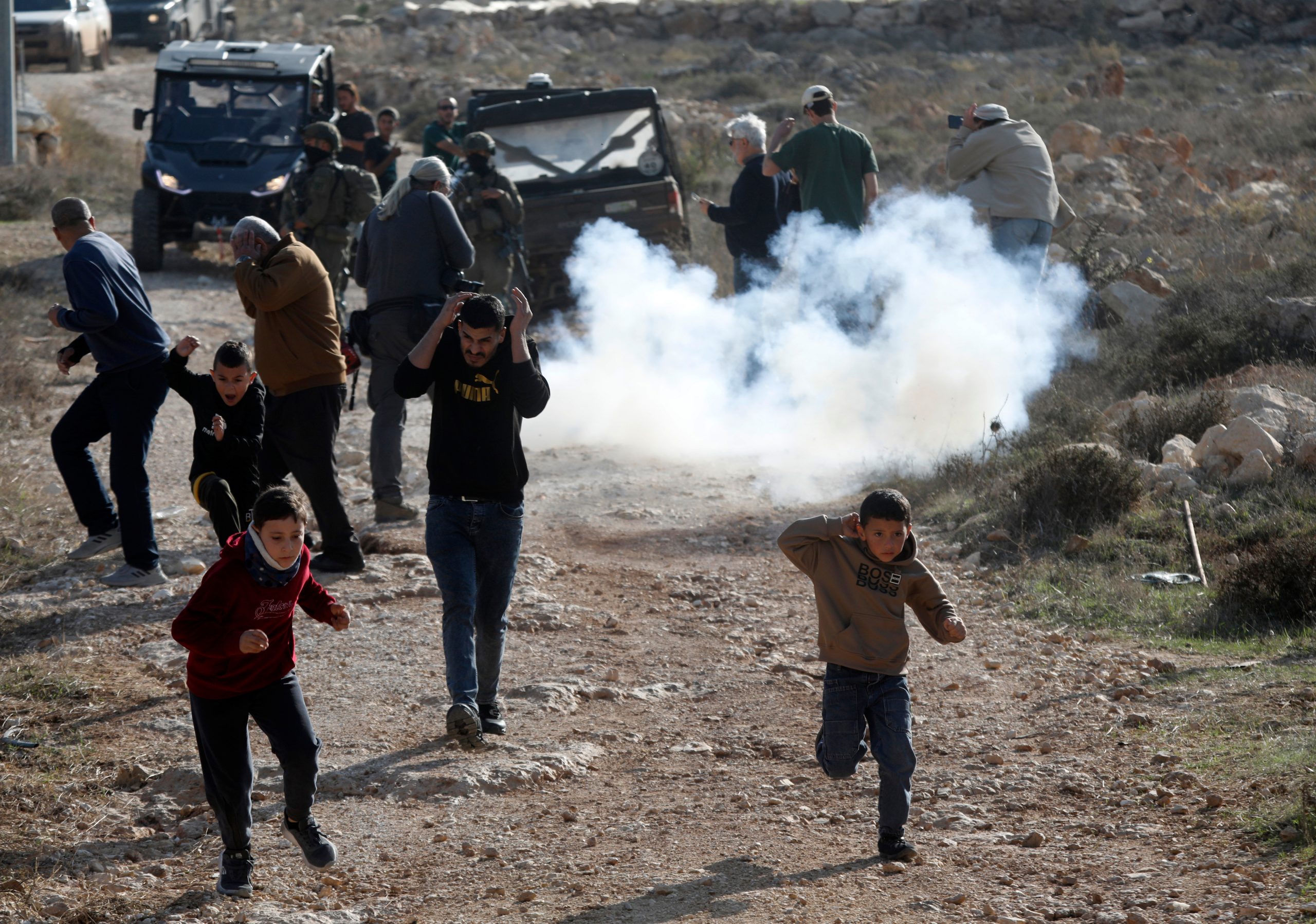
Israeli settlers conducted 59 attacks against Palestinians and their properties in various villages and cities across the West Bank, including occupied Jerusalem. Settler attacks injured 37 Palestinians, including 6 women, 2 children, 4 journalists, 5 PRCS staff members, and 3 international activists, in addition to causing severe damage to Palestinians’ properties.
The attacks included the uprooting of five residential and livestock tents along with their contents, displacing two families in the northern Jordan Valley, the demolition of four caravans, the burning of two mosques, six under-construction villas, two barracks, an auto repair shop, where the fire consumed 150 vehicle structure, five private cars, four trucks, and Al-Junaidi Company Marketing Center. The settlers also smashed the windows of a house, cut down 468 olive, grape, and fig trees, and set fire to tens of dunums of farmers’ lands across the West Bank.
On 01 and 03 November 2025, settlers carried out two separate attacks on the outskirts of Far‘ata village in Qalqilya and the outskirts of Jureish village, southeast of Nablus, specifically in its northwestern area, setting fire to three private vehicles.
On 04 and 05 November 2025, settlers carried out four attacks in Ramallah, Nablus, and Hebron, burning two agricultural facilities and cutting down 180 mature olive trees and 225 fruit-bearing grape trees.
On 06 November 2025, a group of settlers raided the al-Hathroura Bedouin community in Khan al-Ahmar area in East Jerusalem and demolished four mobile homes (caravans) belonging to Palestinians, after imposing a tight cordon around the area and forcibly preventing the community residents from approaching.
On 07 November 2025, settlers brought a bulldozer to the Hamsa area in the northern Jordan Valley, east of Tubas, where they demolished homes and livestock barns belonging to two families.
On 08 November 2025, settlers, from a pastoral settlement outpost established on Palestinian owned lands, carried out an attack in Qamas area, south of Baita village, southeast of Nablus, and assaulted Palestinian farmers, international activists, Palestinian Red Crescent Society volunteers, and journalists, resulting in injuries among them.
On 11 and 13 November 2025, settlers carried out two separate attacks on Al-Junaidi Company Marketing Center on the lands of Beit Lid village, east of Tulkarm, setting it on fire along with four company trucks and two private vehicles of workers. They also attacked the eastern outskirts of Deir Istiya village, north of Salfit, and set fire inside the Hajjah Hamida Nafa‘ Mosque using flammable material before fleeing the scene.
On 20 and 21 November 2025, settlers carried out four attacks in southern and western Nablus, resulting in the burning of an auto repair workshop in Huwara village, where flames consumed 150 vehicle structures, in addition to setting fire to six under-construction villas in Jabal Tarouja between Al-Lubban al-Sharqiya and ‘Amuriya villages. A plant nursery at the entrance of Udla village south of Nablus, and another nursery in Deir Sharaf village west of Nablus, were also destroyed. (More details available in PCHR’s press release.)
On 24 November 2025, three Bedouin families from the Al-‘Ara’ra Al-Ka‘abneh were forced to evacuate their homes in al-Hathroura Bedouin community near Khan al-Ahmar, east of Jerusalem, following escalating settler attacks after the establishment of a settlement outpost just tens of meters from the community. This outpost has made continuing to live in the community extremely dangerous, forcing the families to relocate to other Bedouin communities in the Jordan Valley to protect their lives and property. Two other families in the same community had previously been forced to leave in recent weeks under similar attacks.
On 27 November 2025, settlers stormed the northern outskirts of Biddya village in Salfit and set fire to Al-Falah Mosque by pouring flammable materials, which burned parts of the carpets and interior walls, before fleeing the scene.
IOF Attacks in Jerusalem:
IOF’s violations and Judaization attempts continued in occupied East Jerusalem by approving the building of hundreds of new settlement units and entrenching their house demolition policy against Palestinians under various pretexts. IOF also continue to impose age-based access restrictions to Al-Aqsa Mosque, especially on Fridays, and enforce strict search procedures.
In addition to house and facility demolitions as elaborated above, PCHR documented the following:
On 09 November 2025, the IOF seized three homes in Batn al-Hawa area in Silwan neighborhood in occupied East Jerusalem for the benefit of settlement associations, under the pretext that the land belongs to settlers. The three houses belong to Asmahan Al-Shweiki, her son Ahmed, and Juma‘a Odeh.
On 18 November 2025, Israeli settlers stormed Al-Aqsa Mosque through Bab al-Asbat (Lions’ Gate) carrying animal sacrifices, in an incident described as a serious escalation in attempts to impose religious rituals inside the mosque. Footage showed them entering under the protection of Israeli police stationed at the gate, without being stopped or subjected to the usual security checks applied to Palestinians.
Restriction on freedom of movement and checkpoints
The IOF have intensified the number of checkpoints and roadblocks across the West Bank, further tightening restrictions on freedom of movement between cities and villages and isolating them from one another through checkpoints and metal detector gates placed at village entrances, exceeding 1,008 gates. Some of these gates are never opened, forcing Palestinians to cross them on foot—unless it poses a threat to their lives—to move between Palestinian cities and villages to attend to their needs. In addition to these gates, hundreds of fixed and mobile checkpoints are deployed to further restrict the movement of Palestinians.
On the evening of 18 November 2025, the IOF raided Beit Ummar village in Hebron, closed all roads leading to it, completely isolated it from its surroundings, imposed a curfew within the village, and forced shop owners to close their stores, as part of collective punishment measures, under the pretext that some of the village’s residents had carried out a stabbing attack.
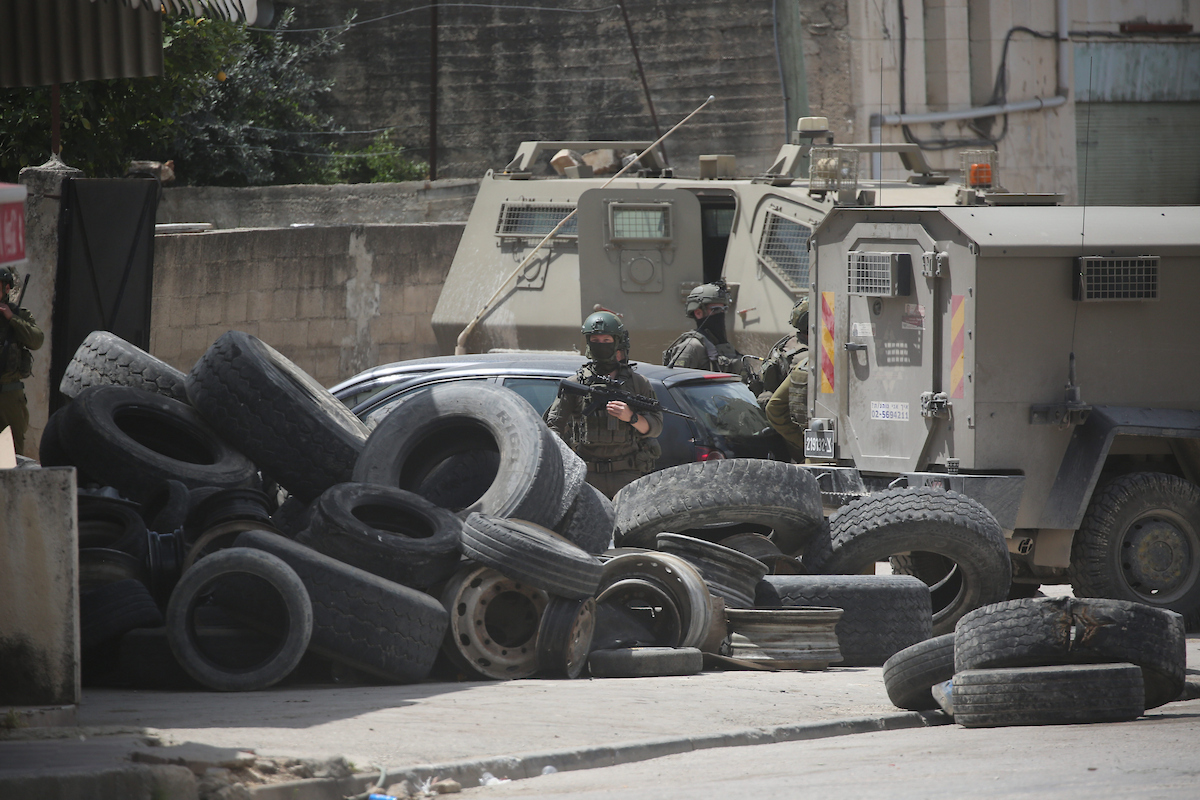
At dawn on 25 November 2025, the IOF moved into Tubas city and its villages—Aqqaba to the northwest, Tammun to the southeast, Tayasir to the east, and al-Far’a Refugee Camp to the south—announcing the launch of a military operation called “The Five Stones.” The IOF closed the city’s entrances, its side roads, the villages, and the camp with sand berms, imposed a curfew, and carried out a wide-scale campaign of raids and arrests over four days.