Date of Testimony: August 4, 2025
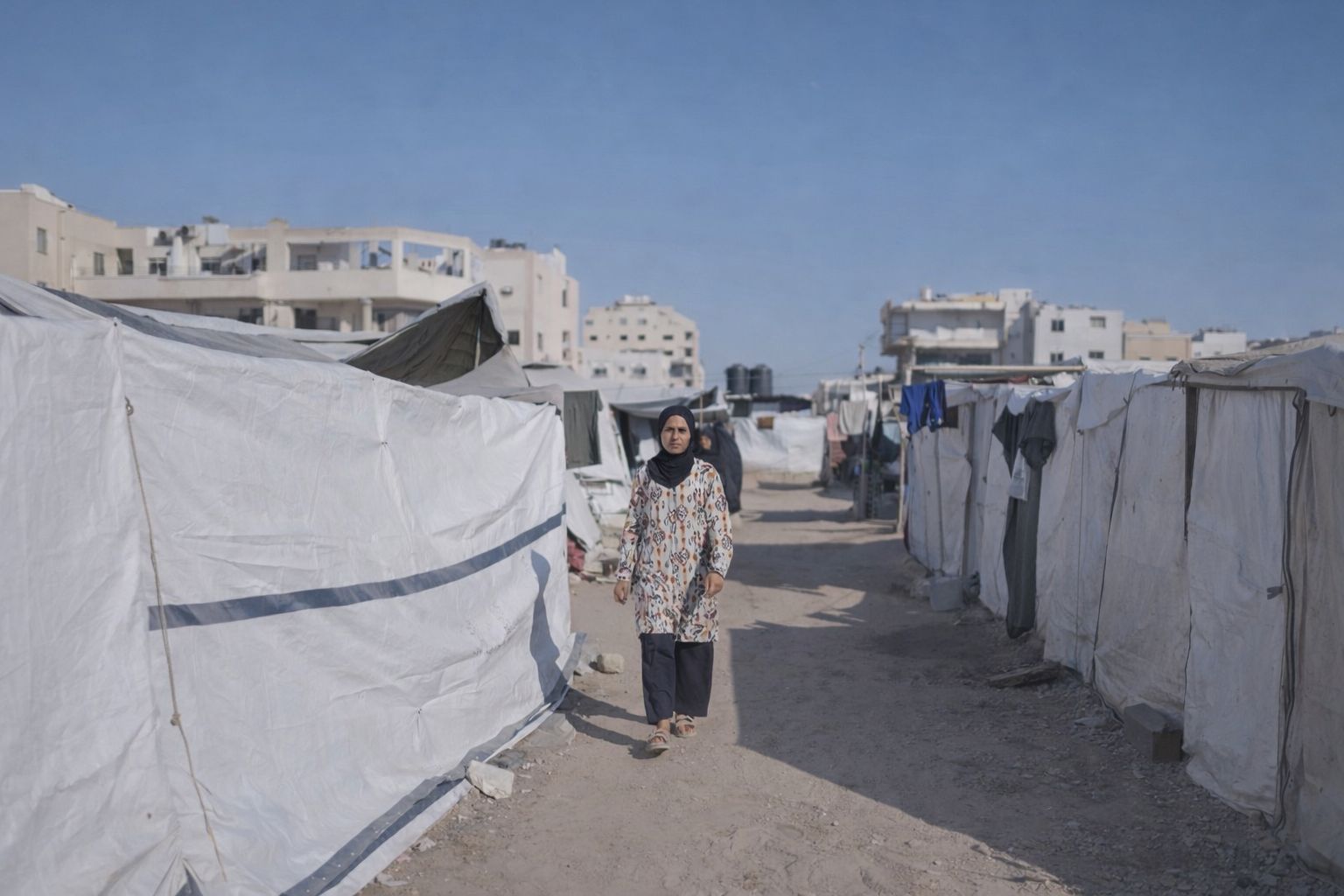
I am Hanaa Nasser Hassan Azzam, 29, a resident of Gaza – Tel al-Hawa, Al-Dahdouh Street, currently forcibly displaced to Al-Nasr area near Steps Mall. I am the maternal aunt of Judy Hossam Azzam.
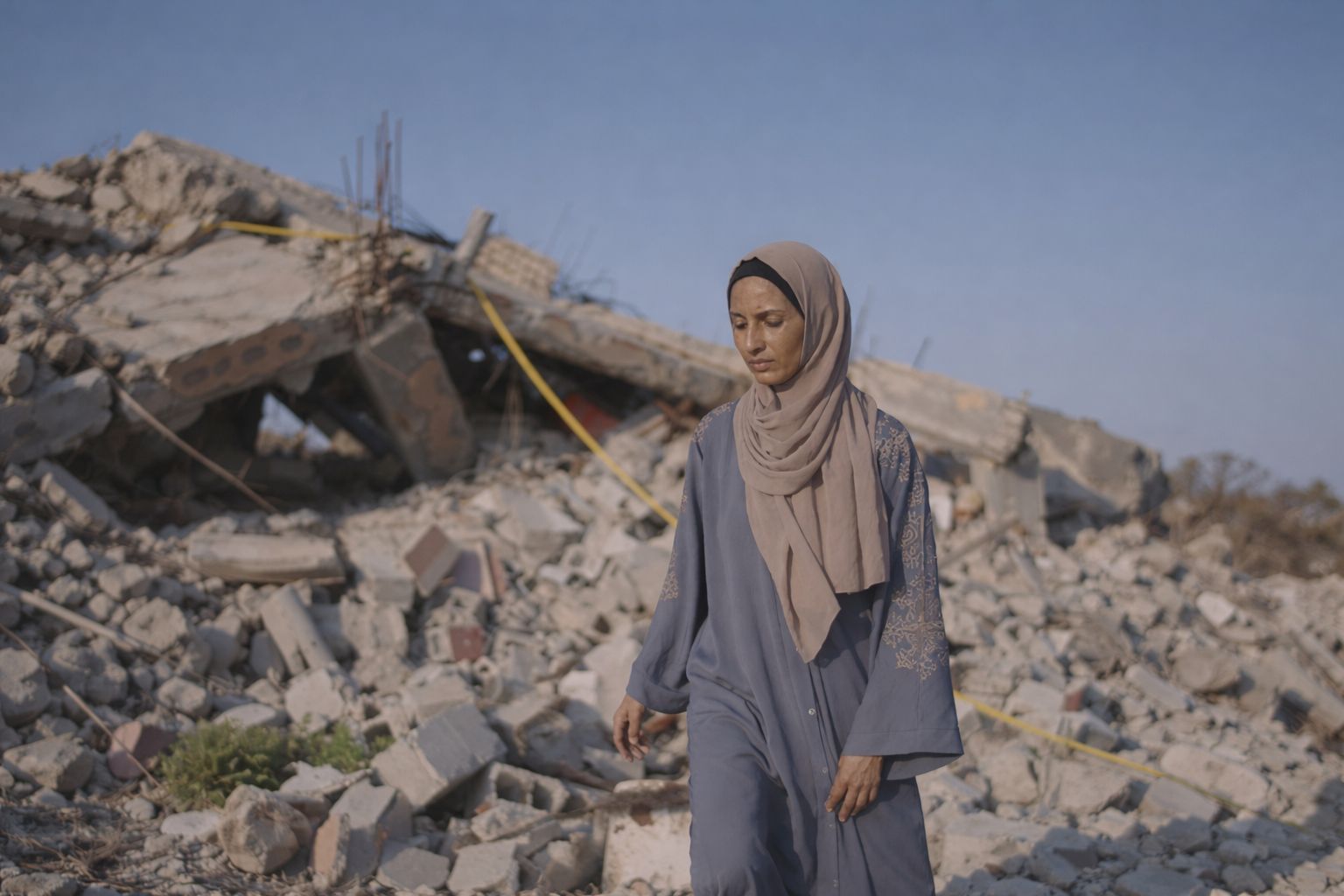
On the evening of Monday, July 14, 2025, at 7:10 p.m., Israeli warplanes committed a horrific crime against a Palestinian civilian family, erasing an entire household from existence, leaving only one child alive – rescued from beneath the rubble. Judy Hossam Nahid Azzam, 9 years old, had been spending what seemed like an ordinary day in her home in Tel al-Hawa – Al-Dahdouh Street, amidst an extraordinary and brutal war. Suddenly, an Israeli F-16 fighter jet launched a direct incendiary missile at her family’s four-story apartment building, containing eight residential units. In seconds, the building was leveled to the ground, killing everyone inside – except Judy.
Judy lost her father, Hossam Nahid Hassan Azzam (43); her mother, Diana Nasser Hassan Azzam (35); her brother, Abdul Rahman Hossam Azzam (13); and her sister, Lana Hossam Azzam (16). She became the sole survivor of this massacre, her life turned into an open wound filled with grief and loss.
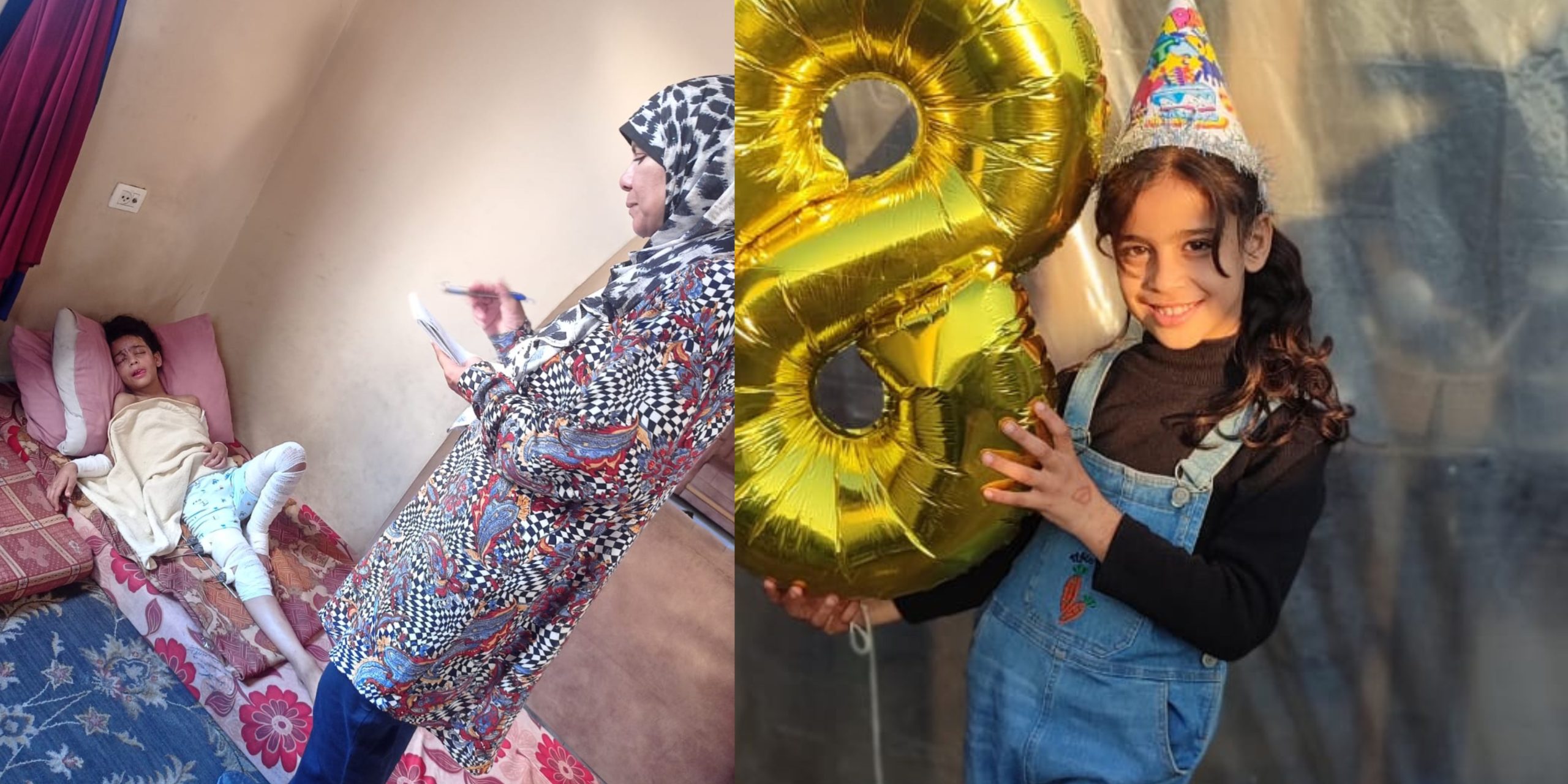
Before this bloody onslaught, Judy was a bright and academically gifted child, known within the family for her joyful spirit and playful personality. Her father fondly called her the “butterfly of the family.” But this childhood was stolen in an instant. Overnight, she became a fragile body lying on a hospital bed, breathing through machines, fighting to stay alive.
She was rushed first to Al-Quds Hospital, then to Al-Shifa Hospital, in near-clinical death. Her injuries included skull and nasal fractures, facial disfigurement, shrapnel in her spleen and right eye (with a high risk of losing her vision), severe burns on her back, and multiple bone fractures.
She was admitted to intensive care, connected to a ventilator, cardiac monitoring, and a gastric suction device. Her condition was unstable. Later, she underwent a surgical procedure to remove her spleen and had a platinum implant placed in her right leg, under the supervision of neurosurgeons and orthopedic specialists.
The following day, Judy began to regain partial consciousness. She managed to open her right eye despite the bleeding and swelling. Doctors began assessing her memory and awareness. When she asked about her family, she was told the truth. In a faint, heartbroken voice, she whispered:
“They went to heaven… why didn’t they take me with them?”
Since then, she entered a state of silent shock – hardly crying or speaking, as if her grief was too great to express. Later, when she became more aware of her reality, she asked for her mother’s clothes to smell them and whispered:
“I want Mama… I want Baba… I want Aboud… I want Lana.”
On August 2, 2025, after 18 days of intensive care, Judy was discharged to our home in Al-Nasr. Yet, neither her body nor her heart had been healed. It was only then that her emotions fully surfaced – crying bitterly for her mother and siblings, as if her physical pain had previously numbed her grief.
But her suffering did not end there. Her injured eye still bleeds at a rate of nearly 80%. Ophthalmologist Dr. Ahmed Al-Halimi informed us that surgical intervention – whether lens or retinal implantation – can only be performed once the bleeding drops below 15%. This requires an urgent medical transfer outside Gaza.
Today, Judy sits in a wheelchair, connected to a urinary catheter, relying on constant painkillers. Her small soul carries the unbearable weight of survival and loss. Sometimes, she eats compulsively as a nervous reaction; other times, she refuses food entirely. At night, she cries, screams, or sits in prolonged silence – searching our faces for traces of her lost family.
We have not yet allowed her to see her disfigured face in a mirror, fearing the psychological collapse that might follow. Yet, she asks daily and once told me:
“I want to take a picture of myself on the phone, so when I get better, I can see how I was.”
Judy has grown deeply attached to me emotionally, and I am her closest caregiver. I handle her daily needs – feeding her, changing her dressings, administering her medication – alongside her grandmother. We form a strong family support network, striving to maintain her emotional stability and ensure her medical care, despite the extreme stress caused by trauma and displacement.
This responsibility is immense. Judy’s condition is critical, and moving her between doctors and hospitals is exhausting under constant bombardment and severe living conditions. Yet we do everything possible to surround her with love and safety as she struggles through this ordeal.
What Judy endured was not merely an injury – it was a crime, committed by Israeli occupation forces against an innocent civilian family and a child whose only “crime” was being born Palestinian.
Judy – the family’s butterfly – is no longer just a victim. She is a survivor, piecing life together from fragments of hope, fighting to tell the world: “I am here… and I still dream.”